


How Far in Advance Should I Book a Gorilla Trekking Permit?
The first time most people think about gorilla trekking, they usually focus on the exciting parts. They imagine hiking through a rainforest, seeing mist hanging between the trees, listening to guides quietly point out fresh gorilla tracks, and wondering what that first encounter will actually feel like.
You picture the adventure itself.
Very few people sit down and think, I should probably learn about permit availability.
Then, somewhere during trip planning, usually after looking at lodges and safari packages, the question comes up:
“How early do I need to book a gorilla permit?”
It sounds like a simple question, but the answer matters more than many travelers expect.
Ask people who have already gone gorilla trekking and you will hear a common theme. Many of them will tell you they were surprised by how important the permit process was. Some booked early and barely thought about it again. Others waited a little too long and suddenly found themselves changing dates, adjusting travel plans, or searching for alternatives.
Because unlike many travel activities, gorilla trekking is not something that always works well with last-minute planning.
How Far in Advance Should I Book a Gorilla Trekking Permit?
Gorilla Permits Are Not Something You Want to Leave Until the End
When planning most holidays, people usually follow a familiar pattern.
Flights first.
Accommodation next.
Activities afterward.
With gorilla trekking, the order often changes.
In many cases, the permit becomes the first thing worth securing because so much of the trip can depend on it.
That catches a lot of first-time visitors off guard.
People sometimes assume a gorilla permit works like a national park entrance ticket that can easily be arranged closer to arrival. It sounds reasonable at first.
But gorilla trekking operates differently.
Mountain gorillas are protected, and visitor numbers are intentionally kept low. The goal is to create an experience that supports conservation while limiting human impact on the animals and their habitat.
Because of that, only a limited number of people can visit a gorilla family each day.
And that number does not suddenly increase because more travelers become interested.
Once a date fills up, that is usually it.
No extra permits.
No additional spaces.
No late additions.
Just full availability on the calendar.
Peak Season Has a Way of Sneaking Up on People
One thing that surprises travelers is how far ahead others are already planning.
You might be sitting at home thinking you have plenty of time, while someone thousands of miles away secured their permits months ago.
The busiest periods for gorilla trekking are generally the drier seasons, especially June through September and December through February.
These months tend to attract more visitors because trekking conditions can feel easier. Trails are still natural forest trails, of course, but many travelers prefer periods with less rainfall.
And because demand rises, permits can disappear more quickly than expected.
If you are traveling during these busier seasons, booking around six to twelve months ahead is often a good idea.
That can sound dramatic the first time you hear it.
A whole year?
Really?
But many travelers eventually understand why.
Life moves quickly. People postpone booking because there seems to be time. Weeks pass, then months, and suddenly the dates that looked wide open earlier are no longer available.
It happens more often than people think.
Quieter Months Can Give You More Flexibility
Not everyone travels during peak season.
Some people actually prefer quieter periods.
Rainier months can bring greener landscapes, fewer visitors, and a calmer atmosphere. Some travelers even feel the forest becomes more beautiful during these times.
And there can sometimes be more room to work with.
If your trip falls during slower periods, booking three to five months ahead may often be enough.
But this is where assumptions occasionally create problems.
Low season does not mean nobody is traveling.
Gorilla trekking has become popular throughout the year. Plenty of travelers intentionally avoid busy periods.
So while availability may improve, waiting until the final moment can still create unnecessary stress.
Booking Early Quietly Solves a Lot of Problems
One thing people rarely mention until after their trip is how much easier planning becomes once permits are confirmed.
Before that, there is often a strange feeling that everything is still uncertain.
You hesitate when choosing accommodation because you do not know your exact trekking area.
You delay booking transportation.
You keep telling yourself you will organize things later.
Then your permit gets confirmed.
And suddenly everything starts making sense.
You can confidently choose flights.
Accommodation decisions become easier.
Extra safari activities fit naturally around fixed dates.
The whole trip starts feeling less like an idea and more like an actual plan.
That feeling alone removes a surprising amount of stress.
Your Destination Can Influence Availability Too
Uganda Gorilla Trekking: Bwindi vs. Mgahinga
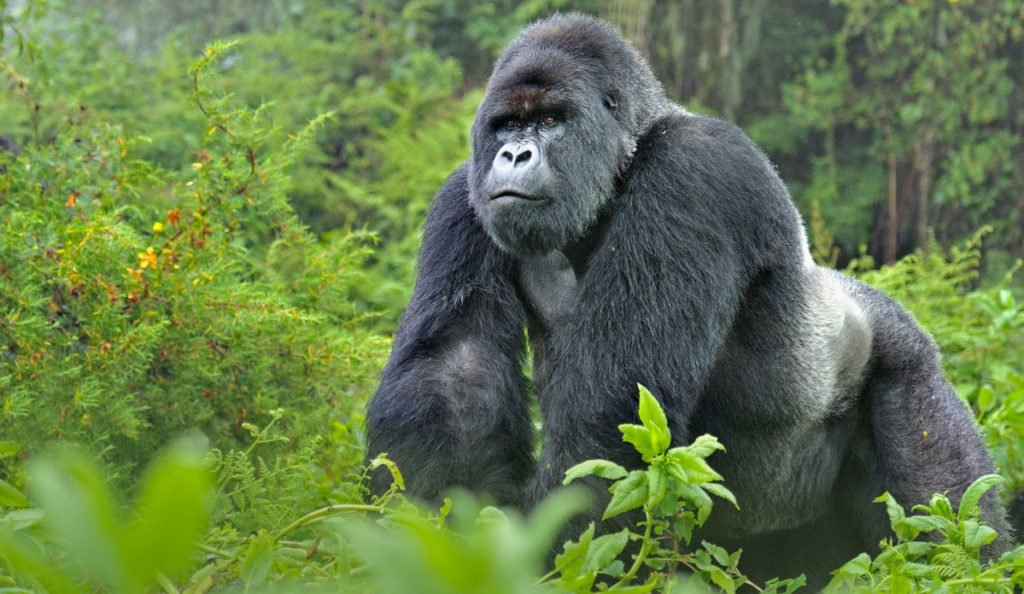
Most travelers heading to Uganda for gorilla trekking choose Bwindi Impenetrable National Park, a UNESCO World Heritage site known for its dense rainforest and rich biodiversity. Bwindi is home to roughly half of the world’s mountain gorillas, spread across four trekking sectors: Buhoma, Ruhija, Rushaga, and Nkuringo. With over 15 habituated gorilla families, Bwindi offers more flexibility and permit availability. However, early booking is still recommended to secure your preferred sector and family.
A quieter alternative is Mgahinga Gorilla National Park, located in the Virunga Massif. Unlike Bwindi, Mgahinga has only one habituated gorilla family—the Nyakagezi group—with just eight permits issued daily. This makes treks more exclusive and less crowded. The terrain is volcanic and steeper, offering stunning views of Mounts Muhabura, Gahinga, and Sabyinyo. Mgahinga is also ideal for combining gorilla trekking with golden monkey tracking.
Rwanda Option: Volcanoes National Park
Many travelers also consider Volcanoes National Park in Rwanda. Rwanda remains popular due to easier airport access—just a 2–3 hour drive from Kigali—and shorter transfer times compared to Uganda’s longer road journeys. The park features over a dozen gorilla families and high-quality trekking infrastructure. However, permits are significantly more expensive, and accommodations cost more. For travelers prioritizing convenience and shorter travel days, Rwanda is a strong choice.
Booking Tips for Both Countries
Each destination has unique booking patterns. Uganda’s permits are available through the Uganda Wildlife Authority, often months in advance. Rwanda’s permits also sell out quickly during peak seasons (June–September and December–February). Travelers who book early enjoy more flexibility—including choosing specific gorilla families, trekking sectors, or longer habituation experiences. Late planners may still find permits but could face longer treks, less desirable family assignments, or higher costs.
Your choice between Bwindi, Mgahinga, and Volcanoes depends on budget, travel time, and desire for exclusivity. Bwindi offers variety and availability. Mgahinga offers solitude and volcanic scenery. Rwanda offers convenience at a premium price. Book early to secure the best experience regardless of destination.
Is Last-Minute Booking Possible?
Sometimes.
Travel plans change.
People cancel.
Reserved permits occasionally become available again.
Some travelers successfully book gorilla permits only a few weeks before their trip.
But there is usually a little luck involved.
If your schedule is flexible and changing dates would not create problems, you may be comfortable taking that chance.
But if flights are already booked and vacation time is fixed, depending on luck can feel stressful.
Especially for a trip many people have dreamed about for years.
Gorilla trekking has a way of becoming more than just another activity on a travel itinerary.
People often spend years thinking about it before finally deciding to go.
They imagine the forests.
They imagine the hike.
They imagine the moment they finally see gorillas in the wild.
And when the experience finally happens, nobody talks about the permit process afterward.
They talk about standing quietly among the trees.
They talk about hearing movement nearby.
They talk about making eye contact with a mountain gorilla and suddenly forgetting every long drive, every early wake-up, and every detail of the planning process.
Still, one small decision often helps make that experience possible.
Book early.
Not because planning is exciting.
But because the future, you will probably be very grateful you did.


