

3 Days Ngorongoro Conservation Area Field Journey
This 3-day “Field Journey” is a focused expedition into one of Africa’s most remarkable natural and historical wonders—the Ngorongoro Conservation Area. As a UNESCO Mixed World Heritage Site, Ngorongoro is unique in its combination of spectacular wildlife, breathtaking volcanic landscapes, and profound human history. This itinerary is designed for travelers who want to immerse themselves deeply in the crater’s extraordinary ecosystem while also exploring the cultural and archaeological treasures that make this region truly special.
📅 3-Day Ngorongoro Field Journey Itinerary Summary
| Day | Destination | Key Activities & Field Highlights | Overnight Area |
|---|---|---|---|
| 1 | Arrival – Arusha / Transfer to Ngorongoro | Arrive at Kilimanjaro International Airport (JRO). Drive to the Ngorongoro Conservation Area (approx. 3-4 hours). Ascend the crater rim, check into your lodge, and enjoy your first breathtaking views of the caldera at sunset. | Ngorongoro Rim |
| 2 | Ngorongoro Crater (Full Day) | Descend into the “Garden of Eden” at first light for a full-day game drive. Search for the Big Five, including the endangered black rhino, and enjoy a picnic lunch by a hippo pool. Ascend the crater in the late afternoon. | Ngorongoro Rim |
| 3 | Ngorongoro Highlands Exploration & Departure | Visit Olduvai Gorge, the “Cradle of Mankind,” to view hominid fossils and learn about human evolution. Alternatively, enjoy a nature walk on the crater rim or visit a Maasai village. Return to Arusha for departure. | – |
📖 Detailed Itinerary in Paragraphs
Day 1: Arrival & Ascent to the Crater Rim – The Journey Begins
Your Ngorongoro field journey begins with your arrival at Kilimanjaro International Airport (JRO). You are met by your safari guide and begin the scenic drive to the Ngorongoro Conservation Area. The journey takes you through the vibrant town of Arusha and past the lush slopes of Mount Meru before ascending into the Crater Highlands. As you climb, the landscape transforms dramatically from savannah to cool, misty forests and rolling green hills dotted with Maasai settlements.
Upon reaching the crater rim, you step out to a view that is nothing short of breathtaking: the world’s largest intact volcanic caldera, stretching over 100 square miles, with walls rising nearly 2,000 feet above the floor below. The late afternoon light casts long shadows across the crater, revealing the vastness of this natural amphitheater. You check into your lodge perched on the rim, where the panoramic views extend to the horizon. The evening is spent soaking in the scenery and the cool highland air, preparing for the extraordinary day ahead. Staying on the crater rim offers the invaluable advantage of being among the first to descend into the crater the next morning, avoiding the crowds that arrive later from further afield.
Day 2: Ngorongoro Crater – A Day in the “Garden of Eden”
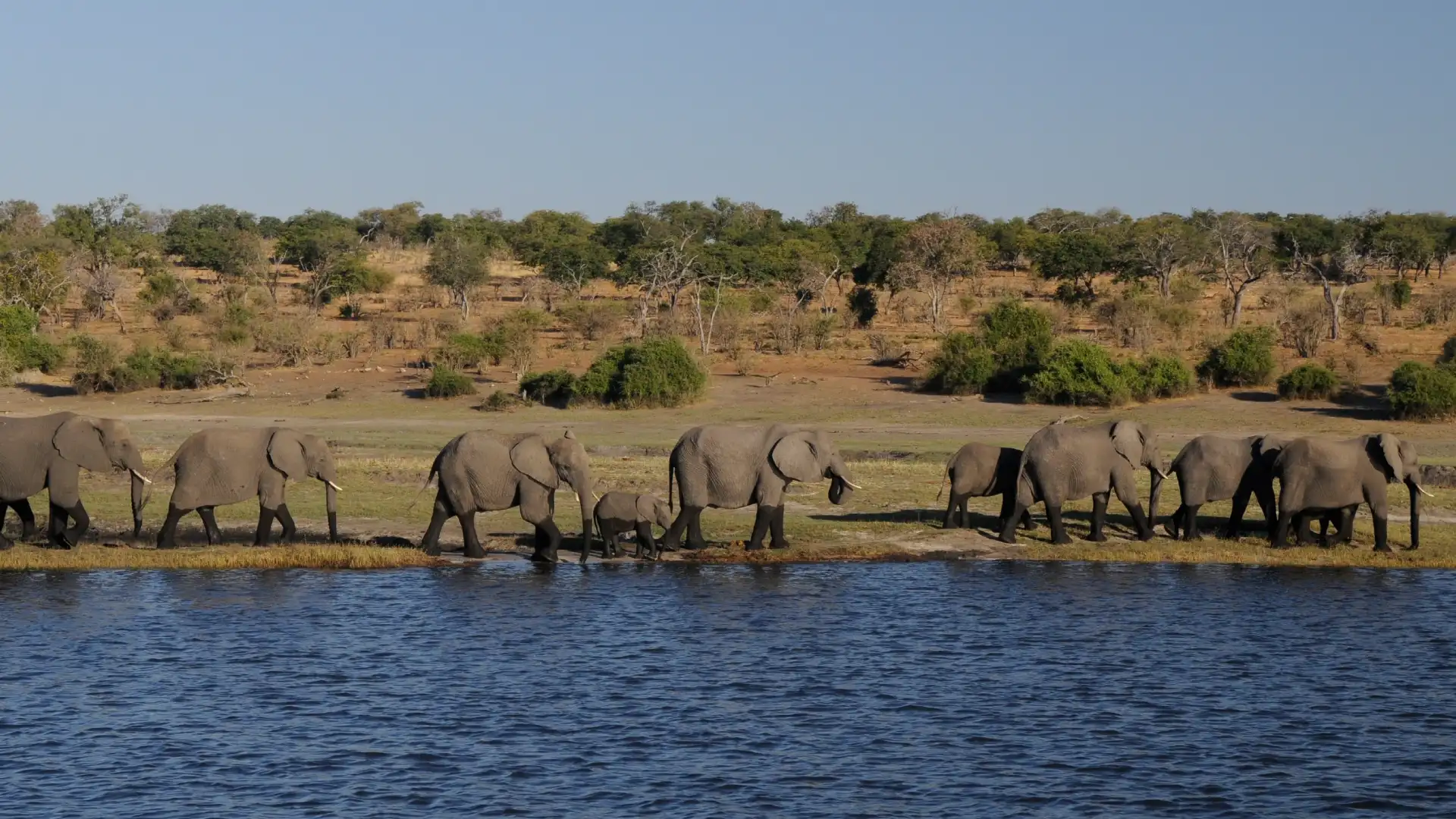
This is the highlight of your field journey. You wake before dawn and descend into the Ngorongoro Crater at first light, a journey that feels like entering a lost world. The crater floor is a unique ecosystem with grasslands, swamps, and the soda lake, Lake Magadi. This is the best place in Tanzania to see all of the Big Five in a single day: lions, elephants, buffalo, leopards, and the critically endangered black rhino. With over 25,000 large mammals, including one of the densest populations of lions in Africa, the concentration of wildlife is staggering.
Your day unfolds as a series of extraordinary wildlife encounters. You might spot elephants moving between the forests and freshwater springs, or find a pride of lions lounging on the open grasslands. A visit to the Gorigor Swamp offers views of large-tusked elephants and hippos wallowing in the water, while the Lerai Forest is a prime spot for spotting leopards and baboons. Lake Magadi often shimmers pink with thousands of lesser flamingos, creating one of the crater’s most photogenic scenes. You’ll enjoy a picnic lunch by a hippo pool, watching these massive creatures grunt and splash nearby. After a full day of exploration, you ascend the crater walls in the late afternoon, returning to your lodge with a treasure trove of memories.
Day 3: Ngorongoro Highlands – Cradle of Humankind
On your final day, you have the opportunity to explore the wider Ngorongoro Conservation Area, which extends far beyond the crater itself. One of the most profound experiences is a visit to Olduvai Gorge, often called the “Cradle of Mankind”. Here, the Leakey family made some of the most important archaeological discoveries of the 20th century, uncovering fossils of early hominids dating back nearly 2 million years. The Olduvai Gorge Museum, perched on the gorge’s edge, showcases many of these paleoanthropological artefacts, including stone tools and bone fragments that trace the progression of human evolution. Nearby, the Laetoli footprints, preserved in volcanic ash for over 3.6 million years, provide the earliest evidence of upright walking in hominids.
Alternatively, you can choose a nature walk on the crater rim with an armed ranger, offering a completely different perspective on the volcanic landscape and the chance to experience Ngorongoro on foot. You may also have the opportunity to visit a Maasai village, learning about the traditional pastoralist lifestyle of the people who have coexisted with wildlife in this region for centuries. After your chosen exploration, you begin the journey back to Arusha, reflecting on a journey that has taken you from the vibrant wildlife of the crater floor to the ancient echoes of human history. Your driver will transfer you to Kilimanjaro International Airport for your departure flight.