

2 Days Lake Manyara National Park Safari Discovery
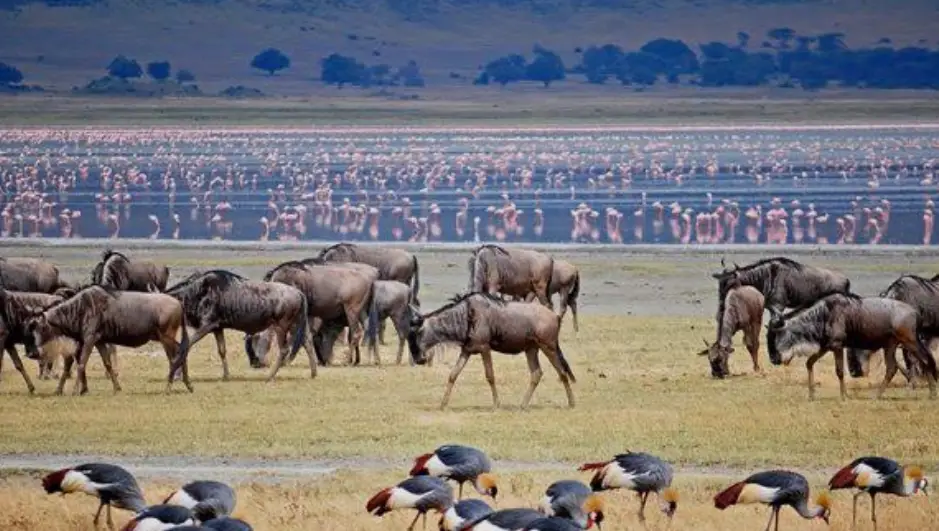
This 2-day “Safari Discovery” is a perfectly compact adventure into one of Tanzania’s most unique and diverse national parks. Lake Manyara National Park is often described as an “ornithologist’s paradise” and a place of dramatic scenery, nestled at the base of the Great Rift Valley escarpment . Its claim to fame is the unusual behavior of its tree-climbing lions, making it the only place in Tanzania where you’re likely to see lions lounging in acacia branches . This itinerary is designed to maximize your short time, offering two full game drives to explore the park’s varied habitats, from groundwater forests to the soda lake’s pink flamingo shores.
📅 2-Day Lake Manyara Safari Discovery Itinerary Summary
| Day | Destination | Key Activities & Discovery Highlights | Overnight Area |
|---|---|---|---|
| 1 | Arrival – Arusha to Lake Manyara | Drive from Arusha to Lake Manyara National Park (approx. 2 hours). Enjoy an afternoon game drive, the best time to spot tree-climbing lions. Explore the groundwater forest and lake shores. | Lake Manyara Area |
| 2 | Lake Manyara – Full Day Exploration & Return | Early morning game drive for active wildlife viewing. Continue exploring the park’s diverse landscapes and search for flamingos. Afternoon return drive to Arusha. | – |
📖 Detailed Itinerary in Paragraphs
Day 1: Arrival and Afternoon Game Drive – Into the Rift Valley
Your safari discovery begins with a morning pickup from your hotel in Arusha. After a brief safari briefing from your professional guide, you’ll drive towards the Great Rift Valley, a journey of about two hours . As you descend into the valley, the landscape unfolds dramatically, and you’ll catch your first glimpses of the shimmering Lake Manyara below.
Upon arrival and completing park entry formalities, you’ll enter the park and begin your first game drive. The park is compact but packs a punch in biodiversity. Your first stop will likely be the groundwater forest, a lush, dense woodland fed by underground springs from the Rift Valley escarpment. This area is a haven for troops of olive baboons, blue monkeys, and elephants that come to drink. Keep your eyes on the branches; this forest is a favorite spot for the park’s famous tree-climbing lions . While this behavior is not guaranteed, your guide will head to known spots to increase your chances, particularly during the dry season .
As you emerge from the forest, the landscape opens onto grassy floodplains and the shores of the soda lake. This is where you’ll see large herds of buffalo, grazing zebra, and wildebeest. The lake itself is a spectacular sight, often turning a brilliant pink with thousands of lesser flamingos filtering algae from the alkaline waters . You’ll stop at a scenic viewpoint for a sundowner, watching the sun set behind the Rift Valley wall before driving to your lodge or tented camp for dinner and overnight .
Day 2: Morning Game Drive and Return to Arusha
Rise early for a morning game drive to catch the wildlife at its most active. The cool morning hours are the best time for photography and for spotting predators on the move. Your guide will explore different sections of the park, perhaps heading to the acacia woodlands for a different perspective on the tree-climbing lions or returning to the lake shores for closer views of the flamingos and waterbirds, which number over 400 species .
The park is a mosaic of five distinct vegetation zones, meaning every game drive feels different. You’ll pass through open grasslands, acacia forests, and swamps, each supporting its own unique wildlife . After a satisfying morning of exploration and a picnic lunch at a scenic spot inside the park, you’ll head back towards Arusha in the afternoon, concluding your 2-day Lake Manyara discovery .
💡 Key Insights for Your Safari
-
Tree-Climbing Lions: This is Lake Manyara’s most unique attraction. While the behavior is most often observed in the southern part of the park’s acacia forests, no sighting is guaranteed. Ask your guide to focus on the groundwater forest area for the best chance .
-
Best Time to Visit: The park can be visited year-round. However, the dry season (June to October) offers the best wildlife viewing as animals concentrate near permanent water sources. The wet season (November to May) is excellent for birdwatching and lush green landscapes, though the park can get muddy.
-
Birdlife: Lake Manyara is a birder’s paradise, with over 400 species recorded. The soda lake is famous for its flamingos, but keep an eye out for pelicans, storks, cormorants, and a host of other waterbirds .