


Which Gorilla Families Are Available in Volcanoes National Park Rwanda?
Let’s be real—if you’re planning a gorilla trek in Rwanda, you’ve probably already imagined that moment. The mist, the silence, the rustle of leaves… and then, out of nowhere, a massive silverback locks eyes with you.
But before you get there, one question haunts every traveler’s mind: Which gorilla families are available in Volcanoes National Park, Rwanda
And honestly? It matters more than you think.
Some families live way up in the clouds—literally. You’ll be huffing and puffing for hours to reach them. Others hang out much lower down, almost like they’re doing you a favor. Some are huge, chaotic, and full of drama. Others are chill, peaceful, and feel like a therapy session in the wild.
Here’s the inside scoop on Volcanoes National Park’s gorilla families—no fluff, just the stuff you actually want to know.
A Little Backstory (But Keep It Short)
Right now, there are about a dozen habituated gorilla families in the park. “Habituated” just means they’re used to humans—after years of patient work, rangers got them comfortable enough for us to visit. But even then, only 8 people get to see each family per day. That’s it. So yeah, permits are gold.
The Families You’ll Likely Hear About
Susa Family (the legend)
If you know anything about Dian Fossey, you’ve heard of Susa. This is the family she studied back in the day. They’re kind of royalty in the gorilla world.
But here’s the catch: they live high. Like, really high. On Mount Karisimbi. So if you’re assigned to Susa, pack your stamina. You’re in for a steep, lung-burning climb. But once you’re up there? You’re standing in gorilla history. Totally worth every gasp of thin air.
Karisimbi Family (Susa’s rebellious cousins)
Remember how Susa got so big that they split? This is one of the breakaway groups. They also love the high life—literally. Another tough trek, but if you’re after solitude and epic volcanic views, this is your crew.
Sabyinyo Family (the easy-going crowd)
Not everyone wants to hike for four hours straight. And that’s where Sabyinyo shines. They’re usually hanging out pretty close to the trailhead, which means shorter, easier walks.
They used to be led by Guhonda—a silverback so massive he was basically the Dwayne Johnson of gorillas. He’s gone now, but the family’s still a fan favorite. Perfect for older folks, nervous first-timers, or anyone who just wants to save their energy for watching, not walking.
Amahoro Family (the peaceful bunch)
Amahoro means “peace.” And honestly? These guys live up to it. The silverback, Ubumwe, is known for being super gentle—no chest-thumping drama here.
The hike? A bit steep—you’ll be climbing Mount Bisoke. But the vibe once you find them? Pure calm. It’s like the gorilla version of a zen garden.
Umubano Family (the neighbors)
Umubano actually split off from Amahoro after a leadership fight. Yep, gorilla drama is real. The name means “friendship,” which is cute considering they had a falling out.
Trekking here is moderate—not too hard, not too easy. You’ll wind through beautiful forest and get some great views along the way.
Agashya Family (the power players)
These guys used to be called Group 13—boring, right? But then a silverback named Agashya (which means “news” or “special event”) took over, and the family got a serious upgrade.
They roam between two volcanoes, Sabyinyo and Bisoke, so the trek is usually moderate. And because they’ve got all ages—from tiny babies to grizzled old males—you’ll see everything. Playtime, grooming, grumpy stares… It’s basically reality TV in the jungle.
Kwitonda Family (the cross-border travelers)
This family has a cool backstory: they originally came from Congo. Yep, they crossed the border and decided Rwanda was home. The name Kwitonda means “humble one,” which is fitting for a family that just quietly settled in and made it work.
Today, they’re a solid, stable group. Treks are moderate, usually near Mount Gahinga. Good choice if you want a classic, no-surprises gorilla experience.
Hirwa Family (the lucky ones)
Hirwa means “lucky”—and honestly, the story fits. This family was formed back in 2006 when gorillas from different groups decided to merge. That rarely happens. They just… came together.
They hang out in bamboo forests near Sabyinyo and Gahinga. And let me tell you—those bamboo shots? Instagram gold. Gorgeous.
Bwenge Family (the survivors)
This family had a rough start. They went through some struggles before finally stabilizing under strong leadership. Now, they’re doing great. They’re not the flashiest family, but visiting them feels special because their story is one of resilience. You’ll leave feeling inspired.
There are more families too—Kwisanga, Noheli, Igisha, Isimbi, Muhoza, Titus, Ugenda—some newer, some smaller. But not all of them are available to tourists every single day. Park rangers rotate groups to make sure no family gets overwhelmed. Fair, right?
Here’s the Thing About Choosing…
On the morning of your long-awaited gorilla trekking adventure, your journey officially begins with a crucial step: a one-on-one briefing with the park rangers. This isn’t just a formality—it’s a carefully tailored process designed to match you with the right gorilla family based on your physical fitness, hiking experience, and even your age. The rangers take the time to assess your capabilities, discuss the trail conditions, and ensure your safety and comfort throughout the trek.
But here’s the good news: you’re not locked into a one-size-fits-all itinerary. You have the flexibility to make specific requests based on the type of experience you’re looking for. Whether you’re a first-time trekker, a seasoned hiker, or someone seeking a more meditative encounter with nature, there’s a gorilla group perfectly suited to your pace and preferences.
-
Looking for a shorter, more relaxed hike? Request a trek to the Sabyinyo or Agashya families. These groups are known for residing in lower-altitude terrain, making them ideal for beginners, families, or anyone who prefers a gentle walk through the lush bamboo forests without extreme elevation gains.
-
Craving a physical challenge and a full-day adventure? If you’re fit, experienced, and ready to push your limits, ask to be assigned to the Susa or Karisimbi groups. These treks take you deep into the high-altitude volcanic slopes, offering steep climbs, muddy trails, and ultimately, some of the most breathtaking panoramic views—along with the reward of encountering gorillas in their most pristine, remote habitats.
-
Seeking peace, solitude, and a slower pace? The Amahoro family, whose name means “peace” in Kinyarwanda, lives up to its title. This group is perfect for those who want a tranquil, unhurried trek with fewer crowds, allowing for quiet observation and a deeper connection with these majestic creatures in a serene setting.
By communicating your preferences during the morning briefing, you not only enhance your own trekking experience but also increase your chances of a truly memorable encounter—one that matches your energy, expectations, and personal travel style.
Be honest with the rangers about your fitness level. They’re experts at reading the terrain and the gorillas’ daily movements, and their goal is to give you the safest, most rewarding experience possible. Whether you choose a stroll or an adrenaline-pumping climb, your trek will be nothing short of extraordinary.
But honestly? No matter who you get, it doesn’t matter.
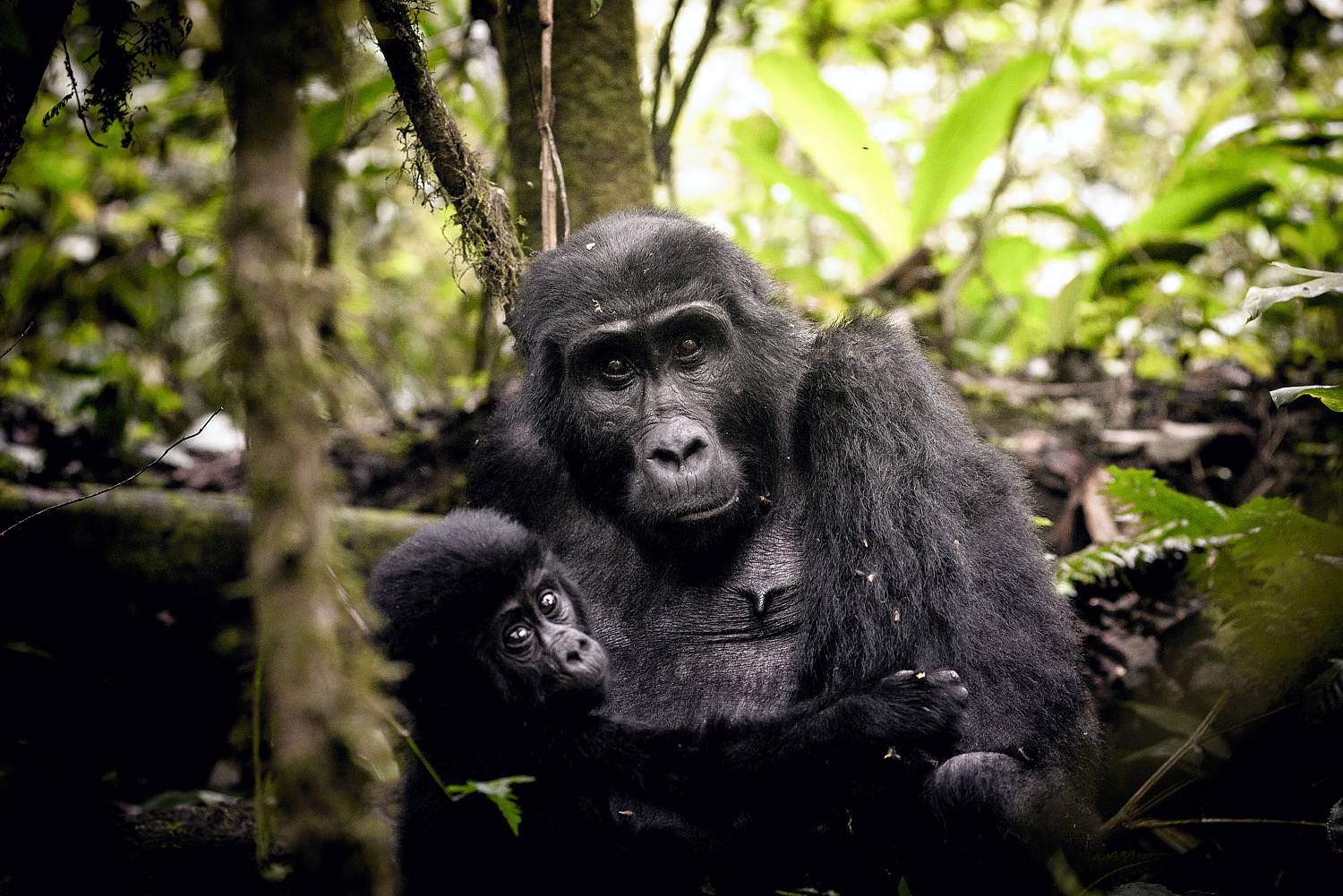
Because that one hour—sitting in the damp forest, watching a 400-pound silverback gently pat his baby, or seeing a teenager gorilla trip over a vine—that hour will mess with your heart in the best way possible. You forgot the hike. You forgot the cost. You forget everything except them.
Rwanda’s gorilla trekking isn’t just a wildlife experience—it’s a front-row seat to a conservation miracle. These families exist because people fought tooth and nail to protect them. And every permit you buy? It helps keep them safe.
So whether you’re hiking uphill for three hours or strolling in for 20 minutes—whether you meet Susa or Sabyinyo or Hirwa—you’re not just a tourist. You’re part of the story.
Now go book that permit. They sell out fast. And trust me—you don’t want to be the person who waited too long.