


What Should I Do If I Feel Unwell on the Morning of My Gorilla Trek?
Let me paint you a picture. You’ve traveled for hours, spent more money than you’ll admit to your parents, and finally, you’re here. The alarm goes off at 4:30 AM. And instead of jumping up, you lie there feeling… terrible. Stomach churning. Head pounding. Throat scratchy.
I’ve been there. And I know exactly what races through your mind: I can’t miss this. I’ll just push through.
But before you do anything else, let me answer the question you’re asking yourself right now: What should I do if I feel unwell on the morning of my gorilla trek? First, don’t hide it. Find your guide or lodge manager immediately and be honest. These people have seen it all—nervous stomachs, altitude issues, bad reactions to new food. They’re not going to judge you.
More importantly, mountain gorillas share nearly all our DNA, which means they can catch your cold or flu. A small cough from you could make a baby gorilla very sick. So speak up. They might give you rehydration salts, call a local nurse, or—if it’s serious—help you reschedule your permit. Yes, that’s actually a thing. Losing one day feels awful in the moment, but forcing yourself up a mountain when you can barely stand? That’s how you end up with a story you hate telling.
What to expect
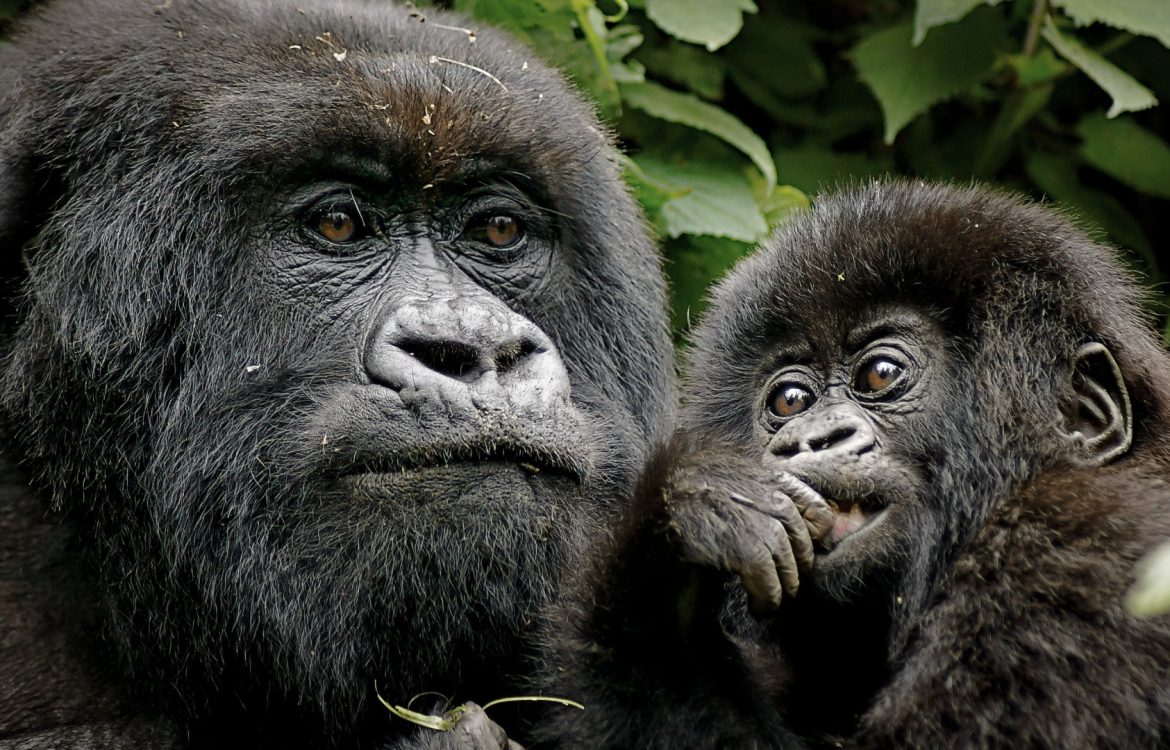
The gorillas themselves are nothing like a zoo. After a couple of hours of pushing through mud and vines and stinging nettles, your tracker will stop and point. And then you see him—a silverback who probably weighs twice what you do, just sitting there munching on a thistle like it’s the best thing he’s ever tasted. He might glance at you for half a second, then go right back to eating. The moms groom each other while babies somersault down little hills just for fun. One time I watched a teenage gorilla try to steal food from his dad, and the dad gave him this look—exactly like my father used to give me. You only get one hour. That’s the rule. But I promise you will replay that hour in your head for years.
And the forest around you? It’s packed with other characters. If you’re lucky, you’ll hear golden monkeys before you see them—chattering and bouncing through bamboo like they’ve had too much sugar. In Bwindi, keep an eye on the treetops for L’Hoest’s monkeys with their ridiculous white beards. I’ve had a bushbuck freeze three feet from me, both of us pretending the other didn’t exist. And the birds—great blue turacos with flashy red wings, hornbills that laugh like old uncles at a family gathering. Every rustle of leaves means something is watching you back.
the cultural experiences
But here’s the part that surprised me most: the people. Near most of the parks, you can visit Batwa communities—the original forest people. An elder will show you how to start a fire with sticks, the same way his grandfather taught him. Then he might sing a hunting song that gives you chills, not because it’s polished or pretty, but because it’s real. In Rwanda,
there’s a cultural village where you can try making banana beer (it’s an acquired taste, I’ll be honest) or learn a drum rhythm that makes your chest vibrate. But honestly? Some of my favorite moments were just sitting with my guide, listening to him talk about the first time he saw a gorilla as a kid. You leave feeling like you made actual friends, not just checked an item off a bucket list.
the best time to visit
So when’s the best time to go? Most people aim for the dry seasons—June through September, and December through February. The trails are easier. You’re not slipping every other step, and the mud doesn’t try to steal your boots. But here’s a little secret: I actually love the edges of the rainy season. March. November.
Yes, you might get wet. there are leeches (wear long socks, you’ll be fine). But the forest glows like someone turned up the saturation. The crowds disappear. Lodges drop their prices. And most importantly for anyone worried about waking up sick, permits are much easier to reschedule when nothing is fully booked. Just pack good rain pants and about three more pairs of dry socks than you think you need.
where to stay
Where you sleep matters more than you’d expect, especially if you’re already nervous about how you’ll feel in the morning. In Bwindi, stay as close to the park gate as you can. Places like Buhoma Community Rest Camp are simple—warm blankets, decent food, nothing fancy—but you can hear the briefing point from your bed.
That five-minute walk matters when your stomach is doing flips. Mid-range lodges like Engagi have fireplaces in every room, which is a godsend if you wake up with chills. And if you’ve got the budget?
Clouds Lodge sits up on a ridge with views across three countries, but more importantly, they have a nurse on staff. You can literally ask her, What should I do if I feel unwell on the morning of my gorilla trek? while she hands you a cup of ginger tea. In Rwanda, even the cheaper guesthouses near Volcanoes National Park will have someone who can boil you fresh mint or call a motorbike taxi to take you to the clinic. Just tell them the night before if something feels off. They really do want to help.
Look, here’s the truth that nobody tells you in the glossy brochures: you might feel scared to speak up. Like you’ll let everyone down or waste your money. I’ve been there. I once spent an entire morning convinced I could “walk off” a fever because I didn’t want to be a problem. That was stupid.
The guides would much rather you rest for a day than collapse on the mountain. And the gorillas? They have no idea you exist. They’ll be there tomorrow, next week, next year. So if you wake up shaky, and you’re asking yourself again, What should I do if I feel unwell on the morning of my gorilla trek? — The answer is simple. Speak up. Get checked. Rest if you need to. Rebook if you have to.
And when you finally walk into that forest, healthy and whole, and that silverback lifts his giant head and blinks at you like you’re the most boring thing he’s seen all day? You’ll understand why it was worth the wait. He won’t know you were late. He’ll just go back to eating his thistle, and for one perfect hour, you’ll forget you were ever worried at all.