
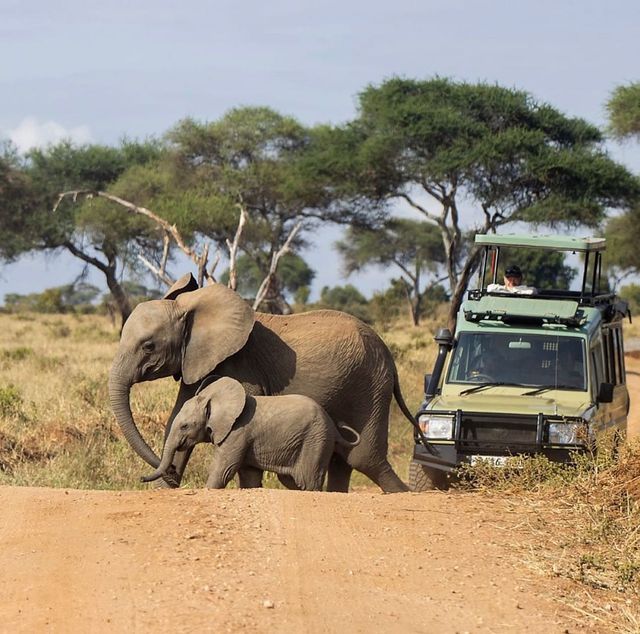
12 Days Arusha to Tarangire to Ngorongoro to Serengeti Quiet Wilderness Escape
12 Days Arusha to Tarangire to Ngorongoro to Serengeti Quiet Wilderness Escape is planned as a practical safari rather than a list of places to tick off. The pace, overnight stops and main activity are shaped around the areas actually included in the route.
Safari Overview
The 12-day plan links 4 main areas in a deliberate order. Each move has a purpose, and the longer duration gives the journey room for wildlife days, scenic transfers and time to settle into different landscapes.
| Day | Plan | Overnight |
|---|---|---|
| Day 1 | Arrival, briefing and Mount Meru views in Arusha National Park | Arusha |
| Day 2 | Baobab country; continue with guided exploration and an unhurried return to camp | Tarangire area |
| Day 3 | Conservation landscapes; continue with guided exploration and an unhurried return to camp | Karatu or Ngorongoro area |
| Day 4 | Dawn wildlife; continue with guided exploration and an unhurried return to camp | Serengeti area |
| Day 5 | Mount Meru views; continue with guided exploration and an unhurried return to camp | Arusha |
| Day 6 | Baobab country; continue with guided exploration and an unhurried return to camp | Tarangire area |
| Day 7 | Conservation landscapes; continue with guided exploration and an unhurried return to camp | Karatu or Ngorongoro area |
| Day 8 | Dawn wildlife; continue with guided exploration and an unhurried return to camp | Serengeti area |
| Day 9 | Mount Meru views; continue with guided exploration and an unhurried return to camp | Arusha |
| Day 10 | Baobab country; continue with guided exploration and an unhurried return to camp | Tarangire area |
| Day 11 | Conservation landscapes; continue with guided exploration and an unhurried return to camp | Karatu or Ngorongoro area |
| Day 12 | Final morning, dawn wildlife and onward departure arrangements | Serengeti area |
What Makes This Safari Different
This itinerary gives Arusha National Park enough attention to make the visit worthwhile. The destination is known for Mount Meru scenery, montane forest, Momella lakes, giraffes and forest-edge wildlife, but the appeal is not limited to headline wildlife. The quieter details—tracks in the soil, bird calls, changes in vegetation and the shape of the horizon—help turn a game drive into a fuller understanding of the place.
A good safari is also about reading the country between wildlife encounters. In Tarangire National Park, the combination of large elephant families, ancient baobab trees, the Tarangire River, dry-season wildlife concentration provides plenty for the guide to interpret. You will have opportunities to stop for photographs, ask questions and understand how the habitat supports the animals seen along the route.
Day-by-Day Itinerary
Day 1: Wildlife before the road warms up in Arusha National Park
Rather than chasing a fixed checklist, the day leaves room for Mount Meru views. The landscape is especially memorable for Momella lakes.
The fresh afternoon rhythm gives this section its own pace and atmosphere. Game viewing depends on wildlife behaviour and the season rather than a guaranteed list of sightings — a detail reserved for this individual safari plan.
- Main interest: Mount Meru scenery
- Useful approach: allow the guide to respond to wildlife movement and road conditions
- Good moment to pause: fresh afternoon rhythm
Day 2: A closer look at the destination in Tarangire National Park
The morning is arranged around baobab country, with time to pause when something interesting appears. Another detail worth watching is dry-season wildlife concentration.
For this particular journey, that combination creates a distinctive safari moment — a detail reserved for this individual safari plan. A packed breakfast or early departure can be useful when the best viewing starts before the heat builds — a detail reserved for this individual safari plan.
- Useful approach: allow the guide to respond to wildlife movement and road conditions
- Good moment to pause: fresh afternoon rhythm
- Overnight: Tarangire area
Day 3: A morning for patient viewing in Ngorongoro Conservation Area
A useful part of today is conservation landscapes, especially where the terrain makes wildlife easier to read. Local knowledge can add context to the vast volcanic caldera.
It is a simple way to experience the destination without turning the day into a race — a detail reserved for this individual safari plan. Even on a quiet drive, the guide can point out tracks, birds, plants and signs that are easy to overlook — a detail reserved for this individual safari plan.
- Good moment to pause: fresh afternoon rhythm
- Overnight: Karatu or Ngorongoro area
- Viewing style: patient observation rather than a fixed checklist
Day 4: A change of pace in the bush in Serengeti National Park
The character of this day comes from dawn wildlife and from watching how the surroundings change. The guide can explain why large predator territory matters to animals and people in this environment.
The result is a day that feels connected to the place rather than copied from a standard schedule — a detail reserved for this individual safari plan. The route allows regular breaks so the day remains comfortable as well as productive — a detail reserved for this individual safari plan.
- Overnight: Serengeti area
- Viewing style: patient observation rather than a fixed checklist
- Landscape note: savannah scenery changes noticeably with light and weather
Day 5: The landscape opens up today in Arusha National Park
The plan begins with Mount Meru views as the main thread of the day. One of the defining features here is Momella lakes.
Small pauses can be as valuable as the headline sightings, especially for photographers — a detail reserved for this individual safari plan. Road conditions can change the timing, so the driver keeps the schedule flexible where possible — a detail reserved for this individual safari plan.
- Viewing style: patient observation rather than a fixed checklist
- Landscape note: forest scenery changes noticeably with light and weather
- Main interest: Momella lakes
Day 6: A second chance for wildlife encounters in Tarangire National Park
Today gives you time to notice baobab country without rushing from one sighting to another. You may also notice dry-season wildlife concentration as the route moves through the area.
By the end of the day, the route should feel more familiar and less like a hurried transfer — a detail reserved for this individual safari plan. Game viewing depends on wildlife behaviour and the season rather than a guaranteed list of sightings — a detail reserved for this individual safari plan.
- Landscape note: savannah scenery changes noticeably with light and weather
- Main interest: the Tarangire River
- Useful approach: allow the guide to respond to wildlife movement and road conditions
Day 7: An unhurried day outdoors in Ngorongoro Conservation Area
The guide will use the conditions on the ground to look for conservation landscapes. The landscape is especially memorable for the vast volcanic caldera.
The fresh afternoon rhythm gives this section its own pace and atmosphere — a detail reserved for this individual safari plan. A packed breakfast or early departure can be useful when the best viewing starts before the heat builds — a detail reserved for this individual safari plan.
- Main interest: soda-lake wildlife habitat
- Useful approach: allow the guide to respond to wildlife movement and road conditions
- Good moment to pause: fresh afternoon rhythm
Day 8: The journey towards the next chapter in Serengeti National Park
This part of the safari centres on dawn wildlife and the details that make the setting recognisable. Another detail worth watching is large predator territory.
For this particular journey, that combination creates a distinctive safari moment — a detail reserved for this individual safari plan. Even on a quiet drive, the guide can point out tracks, birds, plants and signs that are easy to overlook — a detail reserved for this individual safari plan.
- Useful approach: allow the guide to respond to wildlife movement and road conditions
- Good moment to pause: fresh afternoon rhythm
- Overnight: Serengeti area
Day 9: Arrival and first impressions in Arusha National Park
Rather than chasing a fixed checklist, the day leaves room for Mount Meru views — a detail reserved for this individual safari plan. Local knowledge can add context to Momella lakes.
It is a simple way to experience the destination without turning the day into a race — a detail reserved for this individual safari plan. The route allows regular breaks so the day remains comfortable as well as productive — a detail reserved for this individual safari plan.
- Good moment to pause: fresh afternoon rhythm
- Overnight: Arusha
- Viewing style: patient observation rather than a fixed checklist
Day 10: A full day shaped by the area in Tarangire National Park
The morning is arranged around baobab country, with time to pause when something interesting appears — a detail reserved for this individual safari plan. The guide can explain why dry-season wildlife concentration matters to animals and people in this environment.
The result is a day that feels connected to the place rather than copied from a standard schedule — a detail reserved for this individual safari plan. Road conditions can change the timing, so the driver keeps the schedule flexible where possible — a detail reserved for this individual safari plan.
- Overnight: Tarangire area
- Viewing style: patient observation rather than a fixed checklist
- Landscape note: savannah scenery changes noticeably with light and weather
Day 11: Wildlife before the road warms up in Ngorongoro Conservation Area
A useful part of today is conservation landscapes, especially where the terrain makes wildlife easier to read — a detail reserved for this individual safari plan. One of the defining features here is the vast volcanic caldera.
Small pauses can be as valuable as the headline sightings, especially for photographers — a detail reserved for this individual safari plan. Game viewing depends on wildlife behaviour and the season rather than a guaranteed list of sightings — a detail reserved for this individual safari plan.
- Viewing style: patient observation rather than a fixed checklist
- Landscape note: crater scenery changes noticeably with light and weather
- Main interest: the vast volcanic caldera
Day 12: A closer look at the destination in Serengeti National Park
The character of this day comes from dawn wildlife and from watching how the surroundings change — a detail reserved for this individual safari plan. You may also notice large predator territory as the route moves through the area.
By the end of the day, the route should feel more familiar and less like a hurried transfer — a detail reserved for this individual safari plan. A packed breakfast or early departure can be useful when the best viewing starts before the heat builds — a detail reserved for this individual safari plan.
- Landscape note: savannah scenery changes noticeably with light and weather
- Main interest: wide open grasslands
- Useful approach: allow the guide to respond to wildlife movement and road conditions
Travel Style and Practical Rhythm
The vehicle is not only transport; it is your viewing platform and your shelter between activities. Seating, drinking water, luggage space and sensible departure times all matter when several hours are spent outdoors. The best schedule is therefore one that gives you time to enjoy the destination rather than counting kilometres.
Keep a little attention away from the camera as well. wide open grasslands, large predator territory, seasonal wildebeest movement, dawn and late-afternoon game drives can be interesting even when there is no dramatic animal encounter. A wide landscape, a herd moving through dust, a bird on a branch or changing cloud over the horizon can become part of the story of the safari.
Wildlife and Landscape Highlights
- Time is set aside to appreciate dry-season wildlife concentration in Tarangire National Park.
- Time is set aside to appreciate dense year-round animal viewing in Ngorongoro Conservation Area.
- Time is set aside to appreciate wide open grasslands in Serengeti National Park.
- Time is set aside to appreciate the Tarangire River in Tarangire National Park.
- Time is set aside to appreciate large predator territory in Serengeti National Park.
- Time is set aside to appreciate large elephant families in Tarangire National Park.
Who Will Enjoy This Route?
This route suits travellers who want more than one side of East Africa. The longer format allows Arusha National Park to be experienced alongside Serengeti National Park, with enough time to change pace instead of treating every destination as a brief photo stop.
Frequently Asked Questions
Why are the destinations spread across several days?
Because each area offers a different habitat or experience. The schedule gives the route enough time to move between regions without turning every day into a rushed road transfer.
Can the daily programme change?
Yes. Wildlife moves, weather changes and road conditions vary. The guide can adjust departure times or viewing areas while keeping the main purpose of the day intact.
Is this safari suitable for photographers?
Yes. The itinerary allows pauses for photography and observation. Early starts can be arranged where useful, and guides can advise on safe vehicle positioning and respectful wildlife distances.
Can the trip be made private?
Yes. A private safari is the most flexible option for couples, families and small groups. Accommodation, start dates and the pace of activities can be discussed when the booking is prepared.
Final Thoughts
The finished journey should feel like a sequence of different experiences rather than one long checklist. From Arusha National Park to Serengeti National Park, the route changes its scenery and rhythm while keeping wildlife, comfort and sensible travel times at the centre of the plan.
Meals and Breaks
Meals are part of the safari rhythm, especially on days that begin early. Breakfast may be taken before a game drive, packed when an early departure makes sense, or served back at the lodge after the first viewing period. Lunch gives you a chance to rest and talk through what you have seen. Evening meals are a useful time to slow down and prepare for the next day rather than treating the safari as a continuous activity. The route also makes room for large predator territory, a detail that can be easy to miss when travel is rushed.
What to Watch Between Sightings
Not every memorable moment involves a large animal. Watch the edges of tracks, termite mounds, flowering plants, birds in open grass, monkeys in trees and changes in soil colour. Guides often use these smaller clues to explain why animals choose particular parts of a habitat. Paying attention to those details can make a quiet drive feel purposeful. That approach is especially useful around Arusha National Park, where giraffes and forest-edge wildlife adds context to what you see.
Weather and Road Conditions
Safari timing is influenced by weather. A dry track can be easy to follow one morning and rougher after rain, while cloud can change the quality of light within minutes. The itinerary therefore works best as a framework rather than a promise that every activity will happen at exactly the same minute. Flexibility helps the guide protect both comfort and the quality of the experience. The practical aim is simple: enjoy Tarangire National Park as a real place, not merely as a name printed on a safari schedule.
Responsible Travel
Good wildlife tourism keeps a respectful distance from animals, follows park rules and avoids disturbing breeding areas or sensitive habitats. Visitors can also support the places they travel through by choosing local services, listening to community guidance and treating staff with respect. These simple choices help keep safari tourism valuable beyond the immediate holiday. For this trip, Ngorongoro Conservation Area contributes soda-lake wildlife habitat to the wider story of the journey.
Packing Notes
Bring lightweight clothing that can be layered, comfortable walking shoes, sun protection, a reusable water bottle, binoculars if you have them and enough camera storage. A light jacket can be useful during early drives, even when afternoons are warm. For forest activities, follow the guide’s advice on footwear and clothing because conditions can be damp or uneven. In this itinerary, Serengeti National Park is given attention for wide open grasslands, which helps the experience stay rooted in the actual destination.
A Better Way to Think About Safari Time
A safari day is not measured only by the number of animals seen. The quality of the guide, the amount of time available at a sighting, the comfort of the route and the variety of landscapes all affect the experience. Leaving some space in the programme can therefore be more valuable than adding another distant stop. The route also makes room for Momella lakes, a detail that can be easy to miss when travel is rushed.