


What Is the Risk of Insect Bites During a Gorilla Trek?
Here’s the truth: for most trekkers, insect bites turn out to be a minor annoyance rather than a real problem. Yes, you’ll likely run into mosquitoes, ants, and flies. But the vast majority of visitors come away with nothing more than a few itchy spots – if that. A bit of preparation goes a long way, and once you know what to expect, you can focus on the incredible experience ahead.
So why are there so many insects in gorilla territory?
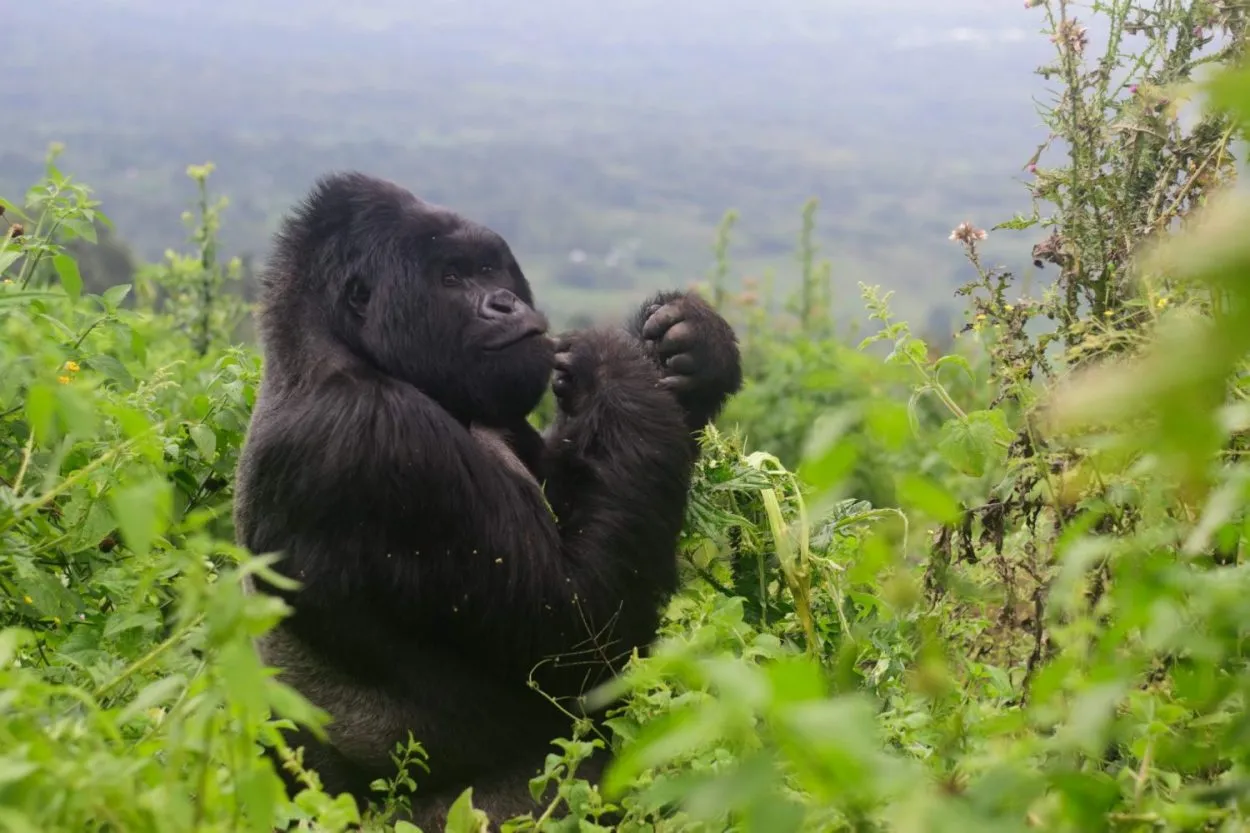
Mountain gorillas live deep in tropical rainforests – think Bwindi Impenetrable National Park, Mgahinga, and Volcanoes National Park. These places get heavy rainfall most of the year. Add in thick vegetation, muddy trails, and warm temperatures, and you’ve got perfect breeding grounds for insects. As you push through bamboo forests and undergrowth, you’re moving right through their world. But most of these insects are just going about their business, completely uninterested in you.
What about mosquitoes – should you be worried?
Mosquitoes are usually the first thing on people’s minds. And fair enough – they’re everywhere in East Africa, right? Here’s an interesting twist: gorillas live at higher altitudes, where mosquitoes are actually less common than down in the towns and lowlands. Many trekkers are surprised to find they see fewer mozzies than expected once they’re up in the forest. In fact, you’re more likely to get bitten at your lodge or during a transfer than during the trek itself.
Surprise! Ants can be more annoying than mosquitoes
Loads of first-timers don’t see this coming. Forest ants – especially safari ants – can sometimes cross your path in long, intimidating trails. If your group stumbles onto an active ant column, your guide will quickly steer everyone around it. Step right into a nest, though, and you could get multiple painful bites in seconds. The good news? Guides know these forests inside out. They’ll keep you safe. And if you wear long trousers tucked into socks or gaiters, ants won’t stand a chance.
What about tsetse flies, bees, and other critters?
Tsetse flies are the stuff of safari legend, but they’re rare in gorilla trekking areas. Those flies prefer hot, open savannahs, not cool, high-altitude forests. Bees and wasps do live in the forest, but encounters are uncommon. Guides keep an eye out for active hives and will change the route if needed. If you do come across bees, stay calm and follow your guide’s lead – sudden movements or shouting only makes things worse. And if you have a severe allergy, absolutely tell your tour operator beforehand and carry your medication.
Biting flies and midges can be a nuisance in damp areas, causing itchy little bumps. But they’re rarely a health concern. Good insect repellent handles them easily.
Does the time of year matter?
Yes, a bit. In the wetter months, more standing water means more mosquitoes and other insects. But honestly? Gorilla trekking is fantastic year-round, and with proper clothing and repellent, you’ll be fine regardless of the season. Don’t let bugs dictate your travel plans.
What about health risks – should you be worried?
For most people, the worst you’ll get is some itching and maybe a little swelling. The main concern people ask about is malaria. Yes, malaria exists in Uganda and Rwanda, but the risk is lower in the gorilla trekking areas than in the lowlands. Still, talk to your doctor before traveling. They’ll help you decide if malaria prevention makes sense for your specific trip. Other insect-borne illnesses are very rare in the regions tourists visit.
How to protect yourself (it’s easier than you think)
You don’t need to bundle up like it’s winter to stay safe on the trail. In fact, lightweight long sleeves and trousers are your best friends out there.
Think of them as a gentle, breathable shield between your skin and everything the bush might throw at you—annoying insects, scratchy thorns, and those sneaky stinging plants that seem to appear out of nowhere.
You’ll stay cooler than you think, and you’ll be grateful for that extra layer when you hear the first mosquito buzz past your ear.
Now, about what you wear—leave the bright floral shirt or the neon cap at home. I know they’re cheerful, but insects actually find them attractive. Seriously, to a biting fly or a curious wasp, you might as well be a walking flower.
Stick to quiet, earthy colours: greens, browns, khaki. You’ll blend into the landscape like you belong there, and after a while, you’ll start to feel like part of the scenery rather than a visitor.
Let’s talk repellent. Please don’t skip this step. Find something with DEET, picaridin, or a similar active ingredient—the kind that actually works, not just the nice-smelling kind.
Put it on before you even take your first step onto the trail. I like to do it while I’m still standing in the car park, because once you’re sweating and swatting at bugs, it’s too easy to miss a spot. Pay attention to your wrists, the back of your neck, and your ankles. Those little gaps are where insects love to sneak in.
And speaking of ankles—don’t underestimate them. They’re surprisingly vulnerable.
Tuck your trousers into a good pair of long hiking socks. Yes, you might look a little bit dorky.
We all do. But nothing ruins a beautiful trek like an angry red ring of tick bites or chigger welts around your ankles. If you really want to level up, consider gaiters.
They sound technical, but they’re just these clever little wrappings that go over your boots and lower legs. They keep mud out, stop stingers from brushing your skin, and make crawling insects think twice. Honestly, once you try gaiters, you’ll wonder how you ever walked without them.
Most importantly, stay on the trail. I know it’s tempting to wander off and explore—that big mossy rock over there, that quiet little path into the ferns.
But the guides choose the route for a reason. They know where the wasps have built nests, where the poison ivy is thickest, and where the ticks wait in long grass.
Staying with your group isn’t about following rules for no reason. It’s about getting home without a rash, a sting, or a story you’d rather not tell. Listen to your guide like you’d listen to a friend who’s walked this path a hundred times before. They want you to see the beauty, not the inside of a clinic.
Your guides and rangers have your back
These professionals know exactly where insects are most active. They’ll adjust routes when needed and give you a thorough safety briefing before every trek. They also carry first-aid supplies and know how to handle minor issues. Their local knowledge is one of the main reasons gorilla trekking is as safe and enjoyable as it is.
So, should insect bites stop you from going?
For nearly everyone, the answer is a clear no. Bug bites are just part of being in a rainforest. They’re manageable, rarely ruin the experience, and definitely aren’t worth missing out on one of the most breathtaking wildlife encounters on the planet.
Most people come back from their gorilla trek talking about the magic of locking eyes with a mountain gorilla, not the one or two mosquito bites they got along the way. With a bit of preparation and the right clothing, you’ll barely notice the insects. And you’ll never forget the gorillas.