


Uganda Fly Camping: Nights in the African Wilderness
A Night in the Wild, Not a Hotel Room
Most safaris end the same way. You go back to a lodge, take a shower, eat dinner, and fall asleep on a real bed.
Fly camping changes that pattern completely.
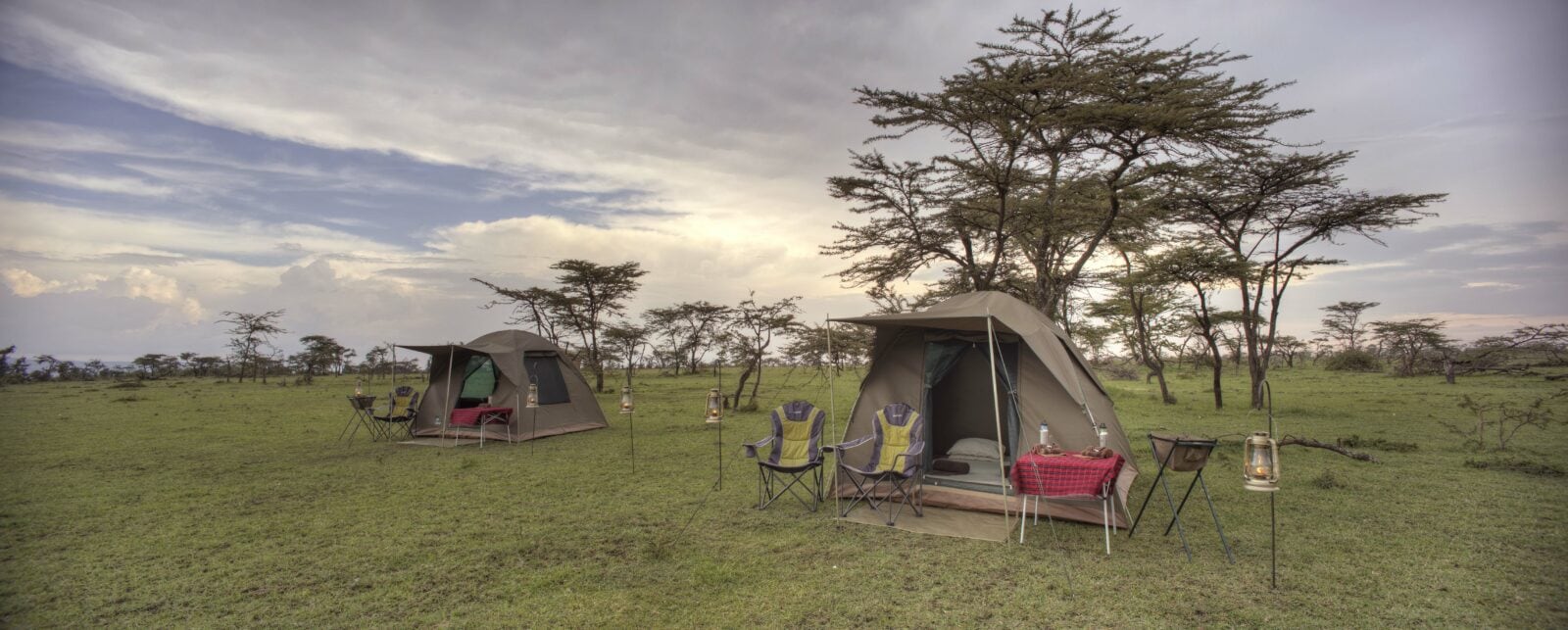
Instead of returning to comfort, you stay out in the wilderness. A simple camp is set up for you in a remote area, usually inside or near a national park. You sleep in a basic tent or under a mosquito net, close to nature, with only a campfire, the night sky, and the sounds of wildlife around you.
It is not about luxury. It is about being there.
In Uganda, fly camping feels raw in a good way. You are not watching nature from a distance. You are inside it.
What Fly Camping Actually Feels Like
The experience usually starts in the afternoon.
You might go on a walking safari or game drive. The pace is slow. You are not rushing anywhere. Guides point out tracks, birds, animal signs, and explain what is happening in the area.
As the sun starts to drop, you head to the camp location.
When you arrive, the camp is already set up. Nothing fancy. Just what you need. A sleeping area, a small dining setup, and a fire burning.
Dinner is cooked on-site. It often surprises people because it is simple but well prepared. You sit around the fire, eat, talk, and watch the light fade.
Then the real change begins.
The noise of the day disappears. No engines. No crowds. No background hum of buildings or roads.
Just the bush.
Night Sounds You Don’t Forget
When darkness settles, the wilderness becomes active in a different way.
You hear things instead of seeing them.
Crickets take over first. Then birds settle. After that, bigger sounds start to show up.
A hyena calling in the distance.
Hippos moving out of water to feed.
Sometimes buffalo shifting nearby in the grass.
You might not see anything, but you know life is all around you.
That feeling is what makes fly camping different from a lodge stay. You are not separated from the environment. You are part of it for the night.
Where Fly Camping Happens in Uganda
Uganda has several strong locations for this experience, mostly in remote parks where space, silence, and wildlife are still intact.
Kidepo Valley National Park
Kidepo Valley National Park is the most remote safari park in Uganda.
It is far in the northeast, close to the borders with South Sudan and Kenya. The landscape is open, dry, and dramatic. Wide plains stretch between mountains, and wildlife moves freely without heavy tourist traffic.
Fly camping here feels very isolated. At night, you may sit by the fire and not see another light anywhere around you. That silence is part of the experience.
It is not a polished safari. It feels wild in the real sense of the word.
Murchison Falls National Park
Murchison Falls National Park offers a different style of fly camping.
Here you have rivers, savannah, woodland, and strong wildlife presence. Elephants, giraffes, buffaloes, and antelopes are common in the area.
Camping near the Nile region adds another layer. At night, you may hear hippos grunting in the river or crocodiles moving along the banks.
It feels alive all the time, even when everything looks still.
Pian Upe Wildlife Reserve
For something even quieter, there is Pian Upe Wildlife Reserve.
This place is less visited and more open. The landscape is dry grassland and rocky terrain with fewer tourists and a strong sense of space.
Fly camping here is about simplicity. Fewer distractions, fewer vehicles, fewer interruptions. Just you, your guides, and the land.
Sleeping in the Wild
People often ask what sleeping outside actually feels like.
It depends on the setup, but the idea is always the same: comfort is basic, but safety is handled.
You usually sleep in a small tent or under a net shelter. You can hear the bush around you, which can feel strange at first. Every sound feels louder because you are not used to it.
At some point, you stop reacting to every noise.
You settle in.
You fall asleep knowing there is life moving around you, but also trusting your guides and the setup around you.
Many travelers say this part of the experience feels more honest than staying in a lodge.
Not more comfortable. Just more real.
Morning in Fly Camp
Waking up in fly camp is its own experience.
The night ends slowly. First light starts to show. Birds begin calling again. The air feels fresh and cool.
You might hear footsteps of animals in the distance or see tracks around the camp from the night before.
Breakfast is usually simple but satisfying. Tea or coffee, eggs, bread, fruit. Nothing complicated.
Then you pack up and leave the site. In most cases, the camp disappears completely so the area stays untouched.
It feels like the night never happened, except you carry it with you.
Safety in Fly Camping
Fly camping is only done with trained guides and organized teams.
Camp locations are chosen carefully. They avoid risky zones and are set up with awareness of animal movement in the area.
You are not left alone. Staff stay nearby throughout the night.
Clear instructions are given before the experience starts, especially about movement at night and what to do if you hear or see wildlife near camp.
Wild animals generally avoid human camps, especially when fire and human activity are present.
The key is simple: follow instructions and stay within the camp area after dark.
What You Should Pack
Fly camping is not heavy packing. You bring what you need for comfort and basic protection.
Good essentials include:
- Warm jacket for night cold
- Lightweight clothing for daytime
- Strong walking shoes
- Headlamp or torch
- Insect repellent
- Water bottle
- Camera if you want photos
- Small personal items only
Most camping gear is provided, so you do not need to bring tents or sleeping equipment.
Why People Choose Fly Camping
People do not choose fly camping for comfort.
They choose it for experience.
It gives you something that lodges cannot offer. You are not observing nature from a room. You are sleeping inside it.
It also changes how you see a safari. Instead of thinking about “activities,” you start noticing smaller things:
The way animals move at night.
How the air changes after sunset.
How quiet the bush becomes without human noise.
For many travelers, it becomes one of the most memorable parts of their trip because it feels different from everything else.
Best Time to Go
Fly camping works year-round in Uganda, but conditions are easier during the dry seasons.
June to September is popular because trails are more stable and nights are clearer.
December to February is also good, especially for photography and open skies.
Rainy seasons bring greener landscapes, but also more moisture and less predictable conditions.
Final Reality of Fly Camping
Fly camping is not a luxury experience.
It is not meant to be.
It is a night in the wilderness with fewer barriers between you and nature.
You hear more. You see less. You feel more present.
In places like Kidepo Valley National Park, Murchison Falls National Park, and Pian Upe Wildlife Reserve, it becomes one of the closest ways to experience Uganda without removing yourself from it.
For many travelers, it is not the most comfortable night of the trip.
But it is often the one they remember the most.