


Uganda Elephant Encounters: Best Parks for Close Encounters
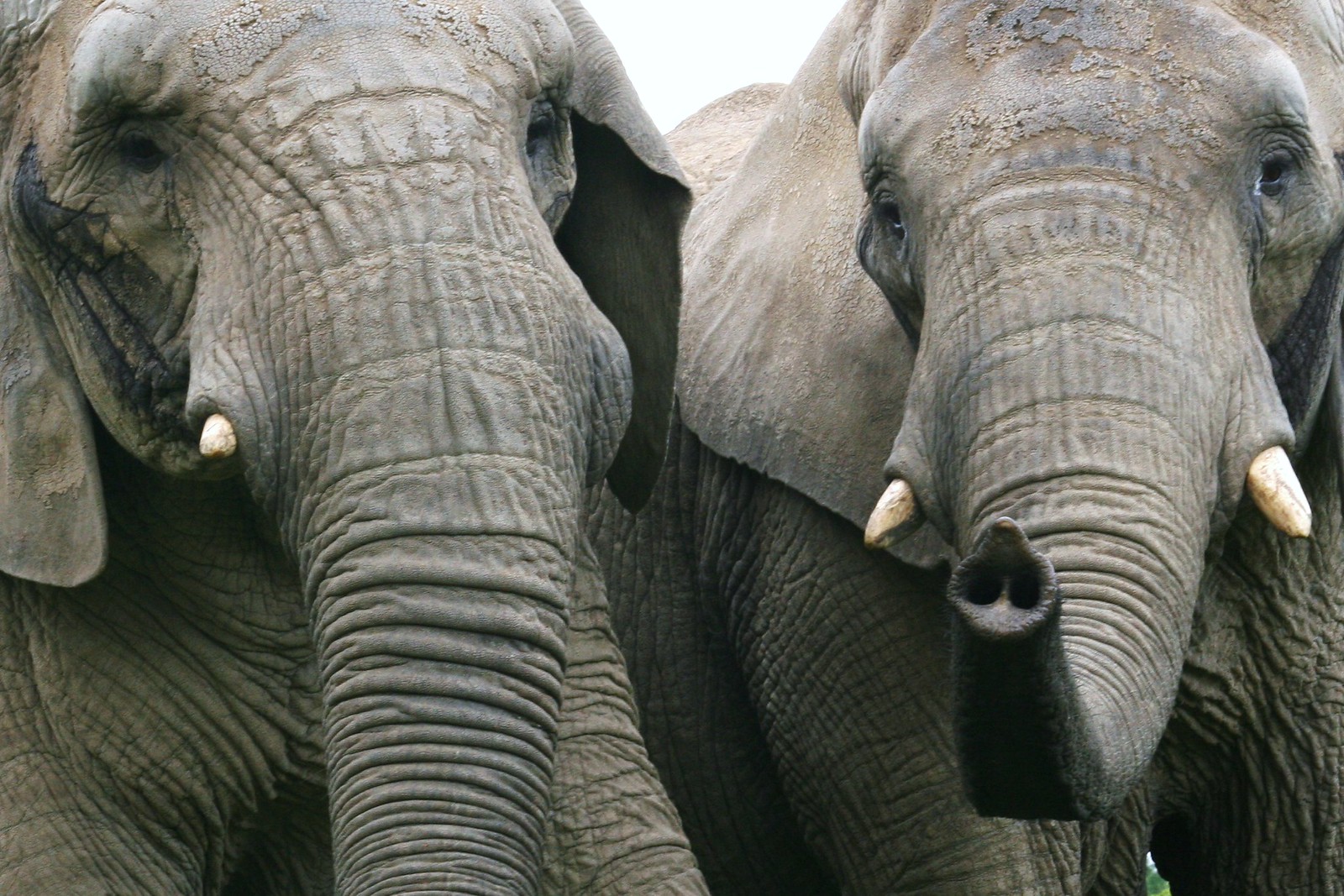
Seeing elephants in Uganda is not just about spotting a large animal in the distance. In the right places, it becomes a close, slow experience where you watch herds move across open land, feed near water, and sometimes walk just a short distance from your safari vehicle.
Uganda does not rely on huge savannah plains like some other safari countries. Instead, elephant encounters here feel more mixed with forest, river systems, and crater landscapes. That makes the experience less predictable, but often more personal.
The main parks where you get the best elephant sightings are Queen Elizabeth National Park, Murchison Falls National Park, and Kidepo Valley National Park. Each one feels different, and the type of encounter changes depending on where you go.
Queen Elizabeth National Park: the most consistent elephant sightings
In Queen Elizabeth National Park, elephant encounters are common, especially in the Kasenyi plains and the Mweya area. This park is one of the easiest places in Uganda to see elephants in open landscapes without long searching.
What makes Queen Elizabeth special is how varied the scenery is. One moment you are driving through open savannah where elephants graze in groups, and the next you are near wetlands or crater lakes where herds come to drink.
Encounters here often feel calm. You may see family groups moving slowly across the plains, with calves staying close to adults. In some cases, elephants cross the road in front of your vehicle, giving you a clear and close view without needing to rush.
Boat safaris on the Kazinga Channel also add a different angle. Elephants often come to the water to drink, especially during dry periods. Watching them from a boat brings you closer to their behavior at the shoreline, especially when they interact with hippos and buffalo in the same area.
Murchison Falls National Park: powerful river-based encounters
In Murchison Falls National Park, elephants are strongly linked to the Nile River system. This creates some of the most scenic encounters in the country.
The northern bank is where you are most likely to see large herds. The open savannah here allows elephants to move freely, and you often see them grazing in wide groups. The scale feels different compared to forested parks. You can watch herds spread across the landscape with clear visibility.
What makes Murchison different is the combination of land and water experiences. Boat trips along the Nile often bring you close to elephants coming down to drink or bathe. From the water, you get a slower, more relaxed view of their behavior. You see how they interact with the river, how calves follow adults carefully to the edge, and how dominant bulls sometimes stand alone near the banks.
There is also a sense of power in this park because of the nearby falls. The sound and force of the Nile at Murchison Falls adds intensity to the whole experience, even when you are watching wildlife in quieter areas.
Kidepo Valley National Park: raw and remote encounters
In Kidepo Valley National Park, elephant encounters feel different again. This park is remote, less visited, and much drier than most other parts of Uganda.
Because of that, elephants here often appear in more open and rugged landscapes. You may see them moving across wide valleys or near seasonal rivers. The scenery feels less managed and more wild, which changes how the encounter feels.
Herds in Kidepo can be large and relaxed, and because there are fewer vehicles in the park, sightings often feel uninterrupted. You may spend longer observing a group without distraction, which creates a more natural viewing experience.
There is also a stronger sense of space here. The landscape is wide and open, and elephants can be seen from a distance before slowly coming into clearer view.
What “close encounter” really means in Uganda
Close elephant encounters in Uganda do not usually mean standing extremely near on foot. That is not how safaris are designed or managed. Instead, “close” often means elephants crossing the road near your vehicle, feeding within clear viewing distance, or moving calmly through open areas where you can observe every detail.
In parks like Queen Elizabeth and Murchison Falls, elephants sometimes pass within a short distance of safari vehicles. The key factor is behavior. When elephants are relaxed and not disturbed, they often continue feeding or moving naturally without reacting strongly to vehicles that keep a safe distance.
Experienced guides play an important role here. They understand how to position vehicles without blocking animal movement or causing stress. This allows you to experience proximity while maintaining safety and respect for wildlife.
Best time for elephant sightings
Elephant viewing in Uganda is possible year-round, but behavior changes with seasons.
During the dry season, elephants tend to gather around water sources. This increases the chances of seeing them in open areas or near rivers, especially in Murchison Falls and Queen Elizabeth. Vegetation is also thinner, which improves visibility.
During the wet season, elephants spread out more due to increased food availability. You may still see them, but sightings can require more patience as they move through greener, thicker landscapes.
Elephant encounters in Uganda are not about chasing the biggest herd or the closest photo. They are about timing, location, and patience.
In Queen Elizabeth National Park, you get steady and varied sightings across plains and waterways. In Murchison Falls National Park, you see elephants shaped by the Nile’s powerful landscape. In Kidepo Valley National Park, you experience them in a remote and raw environment where human presence is minimal.
Each park gives you a different version of the same animal. And that variety is what makes elephant viewing in Uganda feel rich, not repetitive.
Enjoy the best safaris on a midday light time with the 5 big animalas specifically the ELEPHANTS;
1. What do you know about elephants?
2. What would you like to know about elephants?
3. Where Elephants are in big quantities?
And any other questions you have about elephants this is the trip you have to take. Great Migration Adventures gives you a life dream exploration.