


The Ultimate Rwanda & Tanzania Combo: Gorilla Trekking and the Great Migration
Combining Rwanda’s mountain gorillas with Tanzania’s Great Migration is the ultimate East African safari. This itinerary pairs two of Africa’s most profound wildlife encounters into one epic journey: an intimate, life-changing hour with endangered gorillas in misty volcanoes, followed by the spectacular sight of millions of wildebeest and zebra thundering across the Serengeti plains.
Here is everything you need to know to plan this bucket-list trip, from permits and logistics to budgeting and packing.
Why This Combo Works So Well
A Rwanda and Tanzania safari is logistically smoother than you might think. Direct flights operate from Kigali to Kilimanjaro or Arusha in about one to two hours, operated by several regional airlines. This makes transitioning from the lush, high-altitude forests of Rwanda to the vast savannahs of Tanzania surprisingly easy and efficient.
The experience balance is perfect. Rwanda offers intimate primate encounters and cultural tours, while Tanzania delivers the classic savannah safari with lions, elephants, giraffes, wildebeests, and the Big Five. By combining them, you get the best of both worlds: the quiet, focused adventure of gorilla trekking and the expansive, dramatic spectacle of the Great Migration. You’ll witness two entirely different ecosystems, two distinct wildlife experiences, and two unique African cultures, all within a single two-week journey.
The Two Iconic Experiences
Gorilla Trekking in Rwanda
The gorilla trekking experience in Rwanda’s Volcanoes National Park is world-renowned and widely considered the premier gorilla trekking destination in Africa. The permit costs $1,500 for international tourists, a rate set by the Rwanda Development Board. While this is a significant expense, it’s important to note that the permit covers a one-hour encounter with a gorilla family, park entry, and an armed ranger escort. The revenue from permits directly funds conservation efforts and community development projects around the park.
Rwanda is an excellent choice for gorilla trekking because of its accessibility. The drive from Kigali International Airport to Volcanoes National Park takes only two to three hours on excellent paved roads. The treks are generally less physically demanding than in some other countries, with paths that are relatively well-maintained through bamboo and montane forest. The terrain provides better photography conditions than Uganda’s dense jungles, with more open views of the gorillas against the backdrop of the Virunga volcanoes.
It’s also worth noting that for residents of African countries or East African Community citizens, promotional rates are available at $500 and $200 respectively, though these are suspended during peak months from June to October. For international visitors, the $1,500 fee is non-negotiable, but it’s a once-in-a-lifetime experience that many travellers describe as life-changing.
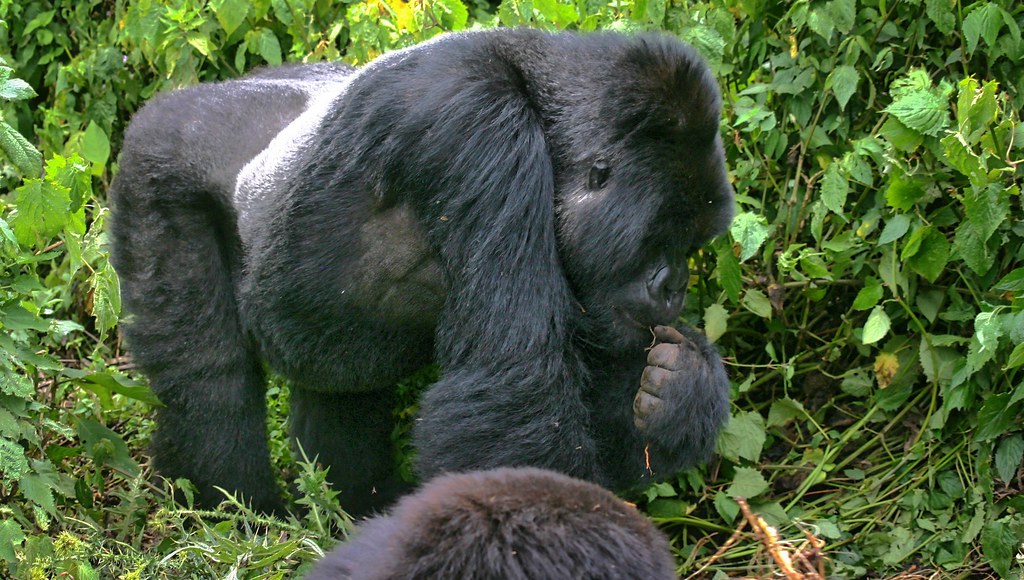
The gorilla trekking experience begins early with a briefing at the park headquarters. You’ll be assigned to one of the habituated gorilla families based on your fitness level and preferences. The trackers go out before dawn to locate the gorillas, so you’re guaranteed to find them once you begin your hike. The trek can take anywhere from one to four hours each way, and once you locate the family, you’ll have one unforgettable hour observing them as they feed, play, groom, and interact. The silverback’s presence is awe-inspiring, and watching the mothers care for their infants is genuinely moving.
The Great Migration in Tanzania
The Great Migration is often described as the “Greatest Show on Earth.” Over 1.5 million wildebeest, accompanied by hundreds of thousands of zebras and gazelles, move in a continuous clockwise circuit through the Serengeti-Mara ecosystem in search of fresh grazing and water. This annual cycle is driven by rainfall patterns and the availability of grass, and it’s one of the most spectacular wildlife events on the planet.
Estimates suggest that around 8,000 wildebeest are born every day during the calving season—a survival mechanism that overwhelms predators like lion, leopard, cheetah, and hyena. This takes place in the southern Serengeti and Ndutu region from January to March, offering unparalleled predator-prey interactions.
The migration is a year-round movement, and your ability to see the dramatic river crossings and vast herds depends heavily on rainfall patterns, not just calendar dates. For the best chances, the dry season from June to October is ideal for witnessing river crossings at the Mara River, while January to February is the calving season in the southern Serengeti, offering spectacular predator action. The herds move at their own pace, so flexibility is essential—staying at least three to four nights in the right location dramatically increases your chances of witnessing the most dramatic moments.
Sample 14-Day Itinerary
This itinerary balances activity and rest, allowing multiple nights in key parks for deeper exploration and reduced transit fatigue.
Days 1-2: Arrival in Kigali, Rwanda
Arrive in Kigali, Rwanda’s vibrant and surprisingly modern capital. The city is spotless, safe, and easy to navigate, with a reputation as one of Africa’s cleanest and most orderly cities.
On your first full day, take a city tour that includes a powerful visit to the Kigali Genocide Memorial for an introduction to Rwanda’s history and resilience. The memorial is free to enter, with donations encouraged, and provides essential context for understanding modern Rwanda. The exhibits are deeply moving, documenting the events of 1994 and honouring the victims, but they also tell a story of reconciliation and hope.
After the memorial, explore the Kimironko Market, Rwanda’s largest open-air market, where you’ll find vibrant piles of fresh produce, colourful fabrics, and local crafts. Or climb Mount Kigali for panoramic views over the city and surrounding hills—the hike takes about an hour and is free. In the evening, sample local cuisine at a neighbourhood buffet restaurant for a budget-friendly introduction to Rwandan food.
Where to Stay: Hostels from $15 per night, mid-range hotels from $60, luxury from $200.
Days 3-5: Volcanoes National Park
Drive north to Musanze, the gateway to Volcanoes National Park. The journey takes about three hours through Rwanda’s famous rolling hills, terraced farmlands, and traditional villages. The scenery alone is worth the trip—Rwanda is called the “Land of a Thousand Hills” for good reason.
Spend your first full day on a Golden Monkey trek to acclimatise before the gorilla trek. Golden monkey trekking costs $100 and offers a spectacular experience in the same bamboo forests as the gorillas. These energetic, playful primates live in large troops and are incredibly acrobatic, leaping between bamboo stalks with ease. The experience is a wonderful warm-up for the gorilla trek and provides excellent photography opportunities.
The highlight of your time in Rwanda is your gorilla trekking day. Guided by expert rangers, you will spend an unforgettable hour observing a mountain gorilla family in their natural habitat. The trek can take one to four hours depending on the family’s location. The open bamboo forest in Rwanda offers some of the best gorilla photography in the world, with excellent lighting and clear views. You’ll be close enough to see their individual personalities—the silverback’s authority, the mothers’ tenderness, the juveniles’ playfulness. It’s an experience that will stay with you forever.
After your trek, you can visit the Ellen DeGeneres Campus of the Dian Fossey Gorilla Fund, an excellent educational centre that tells the story of gorilla conservation. Alternatively, explore the Musanze Caves for a completely different underground adventure.
Where to Stay: Budget guesthouses from $20, mid-range lodges from $80, luxury from $300.
Cost: Gorilla permit $1,500. Golden monkey trekking $100.
Travel Tip: Hire a porter for $15–20. They carry your daypack, help you navigate steep paths, and support former poachers who now earn a sustainable income from tourism. It’s one of the best investments you’ll make.
Days 6-7: Transfer to Tanzania & Tarangire National Park
Take a short flight from Kigali to Kilimanjaro Airport, then transfer to your accommodation in Arusha. Flights take about one to two hours and make the transition between countries seamless. The aerial views as you cross from Rwanda’s green hills into Tanzania’s savannahs are spectacular.
Drive to Tarangire National Park, famous for its large elephant herds, ancient baobab trees, and less crowded safari experience. Tarangire is often described as a hidden gem—it receives fewer visitors than the Serengeti and Ngorongoro, giving you a more exclusive wildlife experience. Elephants gather in large numbers along the Tarangire River, and you’ll also spot giraffes, zebras, wildebeest, and predators like lions and leopards. The baobab trees are hundreds of years old and add a surreal, prehistoric atmosphere to the landscape.
Spend your time on game drives, exploring the park’s diverse habitats from the riverine forests to the open savannah. Birdwatchers will be delighted—Tarangire is home to over 550 bird species.
Where to Stay: Budget campsites from $20, mid-range lodges from $100, luxury from $300.
Park Fees: Approximately $50–70 per person per day.
Days 8-9: Ngorongoro Crater
Travel into the Ngorongoro Conservation Area. Descend early into the crater floor for a game drive. As a UNESCO World Heritage Site, the Ngorongoro Crater hosts one of Africa’s densest wildlife populations, including the Big Five. The crater is a collapsed volcano, and its floor is a self-contained ecosystem with herds of wildebeest, zebra, gazelle, and buffalo, plus predators like lions, hyenas, and the rare black rhino. It’s one of the best places in Africa to see a rhino in the wild.
The descent into the crater begins at dawn, and the sight of the sun rising over the crater rim is unforgettable. The crater floor is surprisingly flat, making game viewing easy and productive. In a single morning, you can see elephants, lions, hippos, and rhinos, all in one spectacular location. The lake in the crater attracts flamingos and other waterbirds, adding colour to the landscape.
Spend two nights in the area to maximise your time on the crater floor and to explore the surrounding conservation area.
Where to Stay: Lodges on the crater rim from $200, campsites from $30.
Park Fees: Approximately $70–100 per person per day.
Days 10-12: The Serengeti
Drive or fly to the Serengeti to follow the Great Migration. Spending multiple nights in the Serengeti is essential for experiencing the full magic of the migration. The park is vast—over 14,000 square kilometres—and the wildlife viewing is unparalleled.
Spend your days on thrilling game drives, searching for massive herds and, if you are lucky, a dramatic river crossing. The Serengeti offers classic safari experiences: lions lounging in the shade, elephants ambling across the plains, cheetahs stalking gazelles, and hyenas squabbling over kills. The sheer scale of the landscape is breathtaking, with endless savannah stretching to the horizon.
Where to Stay: Budget campsites inside the park from $20–30, mobile tented camps from $150, luxury lodges from $400.
Park Fees: Approximately $70–100 per person per day.
Understanding the Migration Patterns
The Great Migration is a continuous cycle, but your experience will vary depending on the time of year. Understanding the patterns will help you plan your visit.
January to March: The herds are in the southern Serengeti and the Ndutu region, calving. This is predator season—lions, cheetahs, and hyenas are constantly hunting the vulnerable newborns. The grass is short, making wildlife easier to spot, and the sheer number of animals is overwhelming. This is the best time for photography.
April to June: The herds move west and north towards the Grumeti River. The river crossings begin, though they are not as dramatic as the Mara River crossings later in the year. The landscape is lush and green after the long rains.
July to October: This is the peak season for the Mara River crossings in the northern Serengeti. The dramatic spectacle of wildebeest plunging into crocodile-infested waters is one of Africa’s greatest wildlife scenes. This is also peak tourist season, so book well in advance.
November to December: The herds move back south as the short rains begin. The landscape is green and beautiful, and wildlife is still abundant.
Travel Tip: For the best chances of seeing a river crossing, book your safari during July to October and stay at least three to four nights in the northern Serengeti. The crossings are unpredictable, and patience is essential. A good guide will monitor the herds and position you for the best views.
Day 13: Lake Manyara
On your way back to Arusha, visit Lake Manyara National Park, known for its rare tree-climbing lions and diverse birdlife. Lake Manyara is a shallow soda lake that attracts thousands of flamingos and other waterbirds. The groundwater forest is home to troops of baboons and blue monkeys.
Despite its small size, Lake Manyara is a surprisingly diverse park. You’ll drive through the groundwater forest, past the lakeshore, and into the acacia woodland where the tree-climbing lions are sometimes spotted. The views across the lake to the Rift Valley escarpment are spectacular.
Where to Stay: Budget campsites from $15, mid-range lodges from $80.
Park Fees: Approximately $40–60 per person.
Day 14: Departure
Return by road to Arusha, then transfer to Kilimanjaro International Airport for your journey home. If your flight is in the evening, you can spend the day relaxing in Arusha, visiting the Maasai markets for souvenirs, or exploring the nearby Mount Meru area.
Practical Considerations
Visas
Rwanda: Many nationalities can obtain a visa on arrival for $50, valid for 30 days. It’s a straightforward process at Kigali International Airport.
Tanzania: Many nationalities can obtain a visa on arrival for $50–100, valid for 90 days. Check your specific country’s requirements before travel. The East African Tourist Visa is also available for $100 and allows multiple entries between Rwanda, Uganda, and Kenya—this is the smartest option if you’re visiting multiple East African countries.
Travel Tip: If you’re entering Tanzania from Rwanda, ensure you have a multiple-entry visa if you plan to return to Rwanda. Otherwise, a single-entry visa for Tanzania is sufficient.
Best Time to Go
The ideal period for this combined safari is the dry season, from June to October, and the calving season in January to February. This offers dry conditions for gorilla trekking and peak wildlife visibility in Tanzania.
June to October: This is the best time for both gorilla trekking and the Great Migration. In Rwanda, the dry season means clearer tracks for trekking and better photography conditions. In Tanzania, the herds are concentrated in the northern Serengeti, and river crossings are at their peak. This is also the coolest time of year, with comfortable daytime temperatures.
January to February: The calving season in the Serengeti offers spectacular predator action. Gorilla trekking is still good, though the short rains from November to December can make paths muddy in Rwanda. The weather is warmer and the landscapes are green.
March to May: This is the long rainy season in both countries. Gorilla trekking is more challenging, with muddy and slippery paths. Roads in the Serengeti can become impassable. However, prices are significantly lower, the landscapes are incredibly lush, and there are fewer tourists. If you don’t mind the rain and are on a budget, this can be a good option.
Fitness and Preparation
Gorilla trekking in Rwanda involves hiking for one to four hours at high altitude. The Serengeti is at lower altitude, but game drives require long days in the vehicle.
Cardiovascular fitness: You don’t need to be an athlete, but a reasonable level of fitness will make your gorilla trek much more enjoyable. Walking up hills and uneven terrain is part of the experience.
Trekking boots: Waterproof, broken-in boots are essential for Rwanda’s muddy paths. Bring gaiters for extra protection against mud and stinging nettles.
Layered clothing: Rwanda mornings start cool at high altitude, while Tanzania is warmer. Bring layers that you can add and remove as the temperature changes.
Malaria prophylaxis: Essential for Tanzania, which is a malaria zone. Rwanda is lower risk but precautions are still recommended.
Yellow fever vaccination: Required for both countries. Carry your yellow fever certificate with your passport.
Health and Safety
-
Yellow fever vaccination: Required for entry to both Rwanda and Tanzania.
-
Malaria prophylaxis: Recommended for Tanzania; consult your doctor for the best option.
-
Altitude: Rwanda’s trekking is at high altitude (2,500–4,000 metres). Take it slow and stay hydrated.
-
Travel insurance: Ensure it covers medical evacuation and emergency repatriation—essential for gorilla trekking and safari.
Budget Breakdown (Per Person for 14 Days)
Permits:
-
Rwanda gorilla permit: $1,500
-
Golden monkey trekking (optional): $100
-
Total permits: $1,500–1,600
Accommodation (13 nights):
-
Budget: $20–30 per night = $260–390
-
Mid-range: $80–150 per night = $1,040–1,950
-
Luxury: $300–600 per night = $3,900–7,800
Transport:
-
Direct flights from Kigali to Kilimanjaro: $200–400
-
Private 4×4 driver for Tanzania safari: Shared by 4 people = $150–200 per person per day for 8 days = $1,200–1,600
-
Rwanda car hire or driver: $80–120 per day for 5 days = $400–600
Park Fees:
-
Tanzania parks: $50–100 per day for 8 days = $400–800
-
Rwanda parks: Included in permit costs
Food and Activities:
-
Meals: $20–50 per day for 14 days = $280–700
-
Additional activities (village tours, boat cruises): $100–200
Total Estimated Budget:
-
Budget: $4,500–5,500 per person
-
Mid-Range: $6,500–8,500 per person
-
Luxury: $12,000–18,000+ per person
Packing List
For Gorilla Trekking (Rwanda):
-
Waterproof, broken-in hiking boots
-
Gaiters (for mud and stinging nettles)
-
Long-sleeved shirts and trousers (for protection)
-
Rain jacket and warm layers
-
Gloves (for gripping vegetation)
-
Daypack (20–30 litres)
-
Camera with zoom lens and dry bag
-
Sun hat and sunscreen
For Safari (Tanzania):
-
Neutral-coloured clothing (khaki, beige, olive)
-
Binoculars
-
Sun hat and sunglasses
-
Sunscreen and insect repellent with DEET
-
Camera with telephoto lens
-
Power bank for charging devices
General:
-
Yellow fever certificate
-
Malaria prophylaxis
-
Travel insurance covering medical evacuation
-
Reusable water bottle or water purification system
-
Snacks (energy bars, dried fruit)
-
Head torch
Is This Combo Right for You?
This combination is best suited for travellers who want to experience both gorillas and the Great Migration in one trip. It involves a significant physical component (gorilla trekking has a minimum age of 15 and requires moderate fitness) and is a high-end adventure that delivers an unforgettable, well-rounded East African wildlife experience.
If you’re on a tighter budget, consider doing just one of these experiences. For example, a 7-day safari to the Serengeti alone costs around $2,800 per person, while a 3-day gorilla trek in Rwanda costs around $1,500 for the permit plus accommodation and transport.
However, if you have the budget and the time, the combination is unmatched. You’ll experience two of Africa’s greatest wildlife spectacles in one journey: the quiet, emotional intimacy of meeting gorillas face-to-face, and the overwhelming, awe-inspiring scale of the Great Migration.
Verdict
A combined Rwanda and Tanzania safari is one of the most rewarding wildlife journeys in Africa. It unites intimate primate encounters in misty forests with vast savannahs alive with the Big Five and the Great Migration. The logistics are well-established, with a direct flight between the countries making the transition seamless.
This combination is ideal for travellers who want to check off two of the world’s greatest wildlife spectacles in a single trip. The gorilla trek is an intimate, life-affirming experience, while the endless herds of the Great Migration inspire awe. Together, they form an adventure that is the trip of a lifetime.
Beyond the headline experiences, you’ll discover two distinct cultures, landscapes, and tourism systems. Rwanda’s polished efficiency and deeply moving history contrast with Tanzania’s raw, vast wilderness and classic safari vibe. The journey itself—from misty volcanoes to sun-scorched savannahs—is part of the magic.
The memories you’ll take home are unmatched: the silverback’s calm authority, the wildebeest’s frantic crossing, the lion’s predatory focus, and the warmth of the people you meet along the way. If you can make it happen, do it. There is no other combination on Earth quite like this.