


The Ultimate Rwanda Gorilla Trekking Packing List: What You Really Need
Gorilla trekking in Rwanda’s Volcanoes National Park is a once-in-a-lifetime experience, but it’s not a casual nature walk. You’ll be hiking through dense, high-altitude rainforest with steep, muddy trails and unpredictable weather. Packing smart—not overpacking—is the key to comfort, safety, and making the most of your precious hour with the gorillas.
The terrain is challenging. Trails can be steep, narrow, and uneven, and the altitude often exceeds 2,500 metres, with some routes climbing above 4,500 metres where oxygen levels decrease significantly. Rain showers are common throughout the year, and trails can remain slippery and muddy even during the dry season. This guide breaks down exactly what you need to bring, what you can leave behind, and why each item matters.
Essential Clothing for the Trek
The most important rule: cover up. Long sleeves and long trousers are mandatory to protect you from stinging nettles, thorny branches, and insect bites. Choose neutral earth-tone colours like green, brown, or khaki to blend into the forest environment and avoid startling wildlife. Never wear camouflage—it’s associated with the military in the region and is prohibited.
Long-sleeved shirt: Choose a lightweight, moisture-wicking fabric. Synthetic materials or merino wool are ideal as they pull sweat away from your skin and dry quickly. Avoid cotton—it retains moisture, becomes heavy, and takes a long time to dry in the humid rainforest.
Long trousers: Durable, breathable trekking pants are best. Look for quick-drying fabrics that provide protection against vegetation. Some trekkers prefer convertible pants, but full-length trousers are recommended for maximum protection.
Waterproof rain jacket: This is non-negotiable. Even during the dry season (June–September, December–February), sudden downpours are common in the high-altitude forests. A lightweight, breathable jacket with a hood and sealed seams is essential.
Warm mid-layer (fleece or light down jacket): Mornings at the park headquarters are cold due to the altitude. Temperatures can drop significantly in the forest shade. A warm layer that you can remove once you start hiking is ideal.
Change of clothes: Leave a clean set of clothes and shoes in your vehicle at the park headquarters. You will return muddy and sweaty, and you’ll be grateful for something clean to change into after the trek.
Consider also packing: A light thermal base layer for extra warmth on cold mornings, and a bandana or neck gaiter for protection against sun and dust.
Footwear and Lower Body Protection
Your footwear is the single most important piece of gear for this adventure. You’ll be navigating steep, uneven, and often very muddy trails. Good boots will provide stability, protect your feet, and prevent slips.
Sturdy, waterproof hiking boots: This is non-negotiable. Your boots should have good ankle support, deep tread soles for grip, and be fully waterproof. Most importantly, break them in well before your trip to avoid painful blisters. Volcanoes National Park’s trails are notoriously slippery, and weak footwear is the number one reason trekkers struggle.
Gaiters: Gaiters are waterproof leg covers worn over your boots. They are invaluable for keeping mud, water, insects, and debris out of your footwear. In the wet rainforest, gaiters can be the difference between a comfortable hike and soaked, heavy boots. If you don’t have gaiters, tuck your trousers into long, thick socks for some protection.
Moisture-wicking socks: Choose socks made of wool or synthetic blends that wick away moisture. Merino wool is excellent—it keeps your feet warm even when wet and resists odour. Carry an extra pair in your daypack; changing into dry socks mid-trek can be a lifesaver.
Consider also packing: Blister plasters or moleskin for emergency foot care, and a small towel to wipe mud off your boots before entering vehicles.
Essential Gear for Your Daypack
You’ll be hiking for several hours, so you need a small, comfortable backpack to carry your essentials. A 20–30 litre daypack with a rain cover is ideal. Keep it light—you’ll be carrying it for hours.
Gloves: This is a highly recommended item that is often overlooked. You’ll frequently grab branches and vegetation for balance, and simple gardening gloves will protect your hands from nettles, thorns, and rough bark. Thick gardening gloves with rubber grips are perfect. Good gloves are a game-changer for comfort and safety.
Walking stick / trekking pole: A walking stick is extremely helpful for balance on steep and slippery slopes. The park provides them for free at the headquarters, so you don’t need to bring your own. However, if you prefer a specific type, you can bring it.
Water: Hydration is crucial at high altitudes. Carry at least 1.5 to 2 litres of water in a reusable bottle or a hydration bladder. You’ll be sweating even in the cool forest, and dehydration will make the altitude feel much worse.
Snacks: High-energy snacks like nuts, protein bars, or dried fruit will keep your energy up during the trek. Your lodge may also provide a packed lunch. Don’t rely solely on this—bring your own favourites.
Camera or smartphone: Capturing this moment is a priority for most people. Remember, flash photography is strictly prohibited as it distresses the gorillas. Bring a dry bag or zip-lock bag to protect your camera from rain and humidity.
Binoculars: These are great for birdwatching or spotting wildlife at a distance during the trek. The forest is teeming with birds and monkeys, and binoculars enhance the experience.
Cash: You’ll want to tip your guide, trackers, and porter after your trek. Having cash in Rwandan francs or US dollars is a must. Smaller denominations are appreciated for tips and local purchases.
Consider also packing: A waterproof cover for your daypack (or line the inside with a dry bag), a small head torch (treks can return after dark), and a notebook for jotting down memories.
Health and Personal Items
The forest environment requires some preparation to keep you healthy and comfortable. Altitude, humidity, and insects all pose challenges.
Insect repellent: Use a strong insect repellent, preferably one with DEET, especially in the lower bamboo zones. While gorillas are the main attraction, the forest is home to mosquitoes and other biting insects.
Sunscreen and lip balm: Even in the forest, UV exposure is high at this altitude. Apply sunscreen to any exposed skin before you start your hike. The sun is surprisingly strong through the canopy gaps.
Hand sanitizer and wet wipes: You won’t have access to running water during the trek, so these are essential for basic hygiene before eating or after touching vegetation.
Personal medication and first-aid kit: Bring any prescription medication you might need, plus basics like plasters, painkillers, and antiseptic wipes. If you have a chronic condition, carry a letter from your doctor and extra medication.
Face mask: This is a critical and often overlooked item. Human respiratory diseases can be transmitted to gorillas, who are highly susceptible. Park authorities may require you to wear a mask if you’re feeling unwell, and it’s a respectful practice to have one ready. If you have any symptoms of illness, it is your responsibility to cancel or reschedule your trek.
Altitude medication: If you’re sensitive to altitude, consider carrying over-the-counter medication like acetazolamide. Consult your doctor before travel. Symptoms like headache, nausea, and shortness of breath are common at these elevations.
Consider also packing: Rehydration salts (important after sweating), tissues, earplugs (for noisy lodges), and a small mirror (for checking your face for ticks or stinging nettle spines).
Documents and Important Items
Valid passport and visa: Your passport must have at least six months validity. Check visa requirements for Rwanda before you travel and have a printed copy of your visa if required. Carry it with you; you may need identification at the park headquarters.
Gorilla trekking permit: This is the single most important document for the day. Bring a printed copy of your permit, as you will need it for registration and briefing. Keep a digital backup on your phone as a precaution. Without this, you do not trek.
Travel insurance details: Ensure your policy covers medical evacuation and trekking activities in remote areas. Have a copy of the emergency contact numbers with you. In case of injury, evacuation can be expensive—insurance is essential.
Cash and cards: While you’ll need cash for tips and local purchases, carry a card for lodge payments. Ensure your card works in Rwanda (Visa and Mastercard are widely accepted). Notify your bank of your travel dates to avoid any blocking issues.
Consider also packing: A photocopy of your passport (separate from the original), a list of emergency contacts, and a small phrasebook or translation app.
What to Leave Behind
Equally important is knowing what not to bring. Remember, you’ll be hiking for several hours, so you must travel light. Every kilogram counts when you’re climbing steep slopes at altitude.
Drones: The use of drones in national parks is strictly prohibited. Don’t bring one—it will be confiscated at the park entrance.
Heavy camera lenses: Large telephoto lenses will weigh you down significantly. A mid-size zoom lens is a better option. Gorillas are often closer than expected, so you don’t need extreme focal lengths.
Strong perfumes or deodorants: Strong artificial scents can disturb the animals and may attract insects. Leave them in your lodge room.
Plastic bags: Rwanda is a plastic-free country. Fines can be issued for carrying single-use plastic bags. Use a reusable daypack or cloth bag instead.
Excessive clothing: You don’t need multiple outfits for a single day. Stick to the basics plus one change of clothes left in the vehicle.
Heavy books or electronics: You won’t have time or energy to read or use a tablet during the trek. Leave them behind.
Umbrellas: They are useless in dense forest. A rain jacket is far more practical.
Expensive jewellery: Not only does it add weight, but it can snag on branches. Leave valuables in your lodge safe.
Top Tips for a Successful Trek
Hire a porter: This is the best advice you’ll receive. For a small fee (around $15–20 USD or 15,000–20,000 Rwandan francs), a porter will carry your daypack and help you navigate the steep and slippery terrain. More importantly, it provides direct, sustainable income to members of the local community. Porters are knowledgeable, strong, and often former poachers who now earn an honest living from tourism. They can also help you with tricky sections and offer a steadying hand when needed.
Layer your clothing: The weather and your body temperature will change significantly during the trek. Start with your warm layer and remove it as you warm up, putting your waterproof jacket on if it rains. This is called the “onion” approach—it keeps you comfortable in variable conditions.
Pack light: Only pack what you will absolutely need for the day. All your extra luggage and valuables should be locked in your lodge room or left safely in your vehicle. The park has a safe luggage storage area at the briefing point if needed.
Start your day early: The briefing begins at 7:00 AM at the park headquarters. Plan to arrive by 6:30 AM to allow time for registration and parking. Early starts also mean cooler temperatures and better wildlife activity.
Acclimatise to altitude: If possible, spend a night in Musanze before your trek to adjust to the altitude. Drink plenty of water, avoid heavy alcohol, and listen to your body. Symptoms like headache and nausea should be taken seriously.
Take your time: The trek is not a race. Experienced guides set the pace, and they will stop to let you catch your breath. Pushing yourself too hard at altitude leads to exhaustion and ruins the experience.
Protect your camera gear: Humidity and rain can damage electronics. Use a dry bag or zip-lock bag to protect your camera when not in use. Bring a microfiber cloth to wipe fogged lenses.
Consider your fitness: While gorilla trekking doesn’t require elite fitness, a reasonable level of stamina and mobility is essential. Practice walking on uneven terrain and steep hills before your trip if possible. If you have mobility issues, discuss options with your tour operator in advance.
Final Checklist
Before you leave for the park headquarters, run through this quick checklist:
-
Waterproof hiking boots (broken in)
-
Gaiters
-
Long trousers
-
Long-sleeved shirt
-
Waterproof rain jacket
-
Warm fleece or down layer
-
Gloves (gardening gloves ideal)
-
Daypack (20–30 litres)
-
Water bottles (1.5–2 litres total)
-
Snacks
-
Camera with extra batteries and memory cards
-
Phone (fully charged)
-
Passport and permit (printed)
-
Cash (for tips and purchases)
-
Insect repellent
-
Sunscreen and lip balm
-
Hand sanitizer
-
Wet wipes
-
Personal medications
-
Face mask (for gorilla protection)
-
Change of clothes (left in vehicle)
-
Travel insurance documents
The Most Important Rule of All
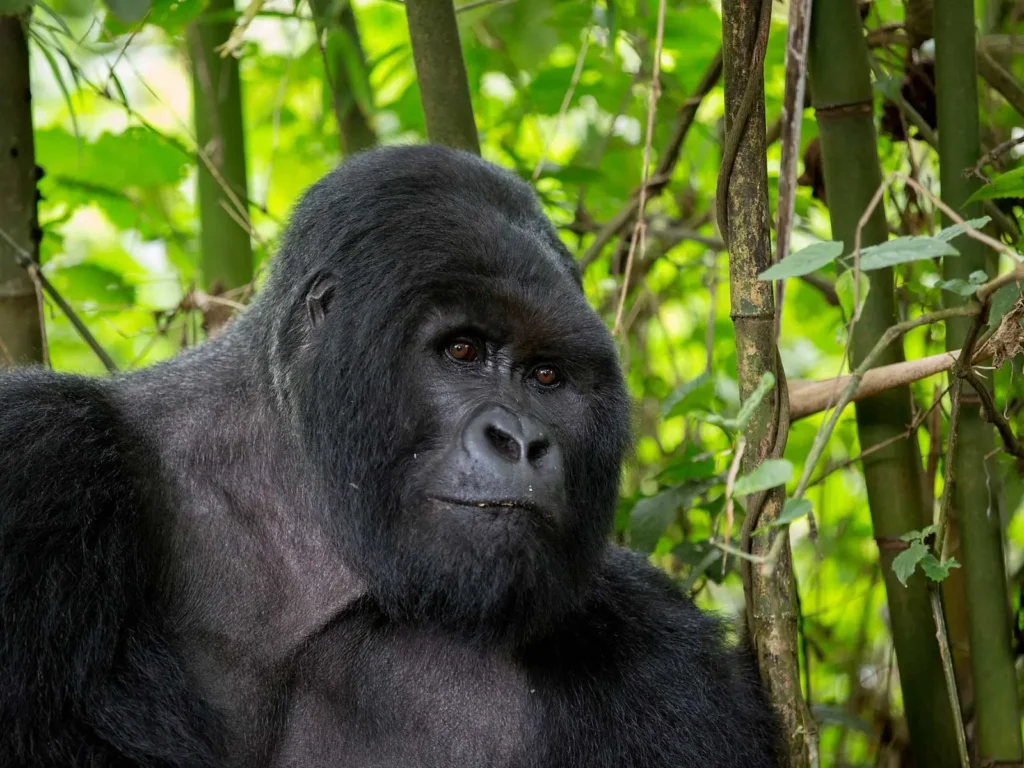
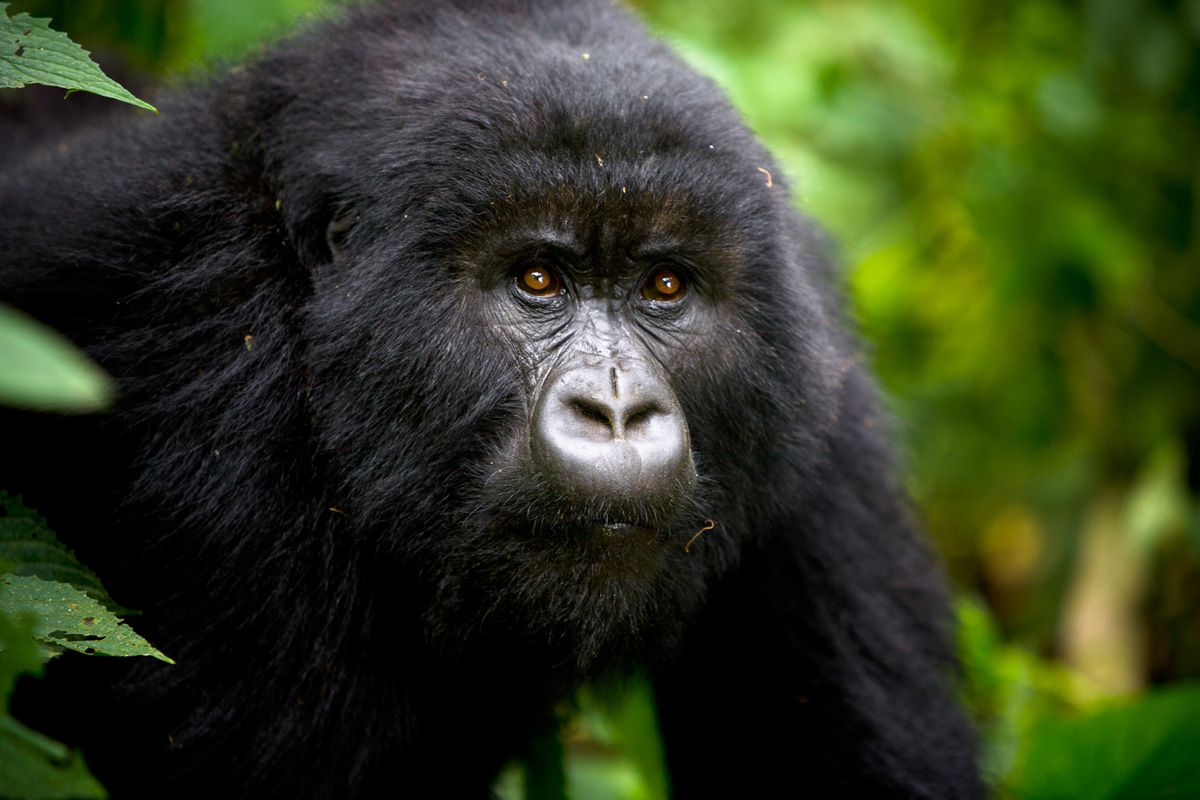
When you finally come face-to-face with a mountain gorilla—a silverback calmly chewing leaves, a mother grooming her infant, a juvenile tumbling through the vines—you’ll be tempted to forget everything but the magic of the moment. That’s okay. But before you go, remember the golden rule of gorilla trekking: maintain a distance of at least 7 metres from the gorillas at all times. Don’t use flash photography. Never make loud noises. And if you need to cough or sneeze, turn your head away from them. These simple actions protect the gorillas from human diseases and preserve their wild nature for generations to come.
Pack carefully, respect the rules, and you’ll have the adventure of a lifetime. And with this packing list in hand, you’ll be ready for whatever the Land of a Thousand Hills throws at you—rain, mud, altitude, or the sheer exhilaration of meeting Rwanda’s greatest treasures.