


The Grumeti River: Where Tanzania’s Crocodiles Lie in Wait
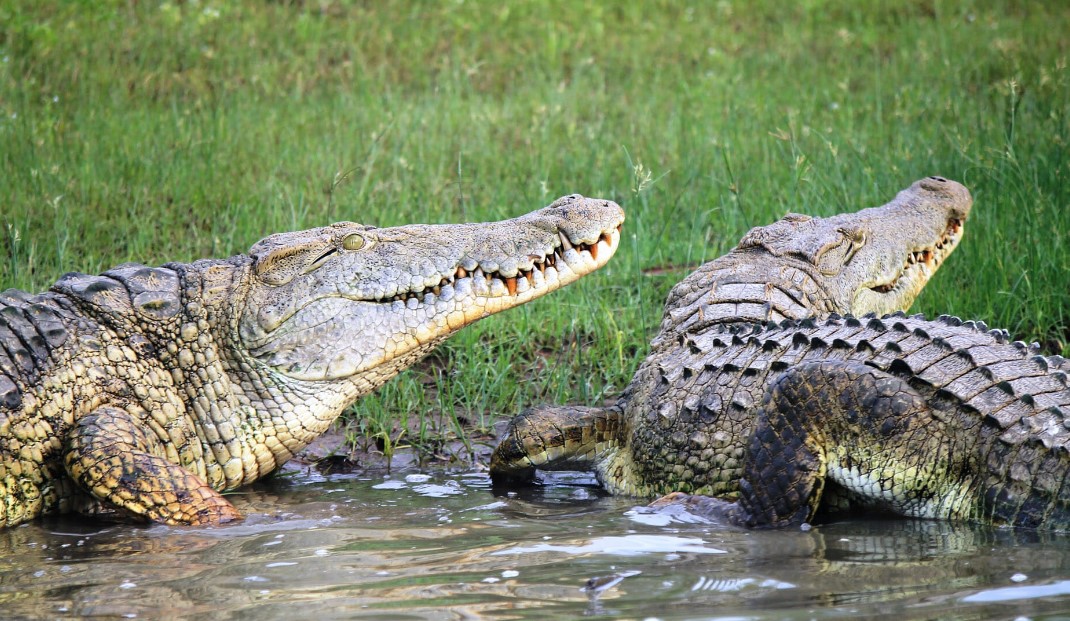
If you’re dreaming of an African safari that feels raw, real, and a little less crowded, the Grumeti River belongs at the top of your list. Tucked away in Tanzania’s northern safari circuit, this river may not have the global fame of the Mara—but it has something even better: gigantic Nile crocodiles, dramatic migration crossings, and a wild, untamed atmosphere that stays with you long after you leave.
Flowing through the western Serengeti ecosystem, the Grumeti becomes a life-or-death obstacle during the Great Wildebeest Migration. Thousands of animals plunge into its waters, while prehistoric crocodiles lurk just beneath the surface, waiting for the perfect moment to strike. It’s nature at its most intense—and most unforgettable.
A Quieter Side of the Serengeti
While the central and northern Serengeti buzz with safari vehicles, the Western Corridor offers a more peaceful, intimate experience. Here, you’ll find:
-
Lush riverine forests teeming with birdlife
-
Rolling grasslands dotted with elephants, buffalo, and giraffes
-
Year-round wildlife viewing, even when the migration isn’t in full swing
This quieter corner of the park gives you space to breathe, observe, and truly connect with the landscape—without the crowds.
Where Exactly Is the Grumeti River?
The Grumeti flows through the western stretch of Serengeti National Park, eventually draining toward Lake Victoria. Though not a long river, its ecological impact is massive.
During the rainy season, it swells into a powerful torrent. In the dry months, it shrinks to reveal sandy banks and rocky pools—but don’t be fooled. Those deep pools often hide massive crocodiles, perfectly still and perfectly patient.
Why the Grumeti River Is Famous
Let’s be honest: the crocodiles are the stars here.
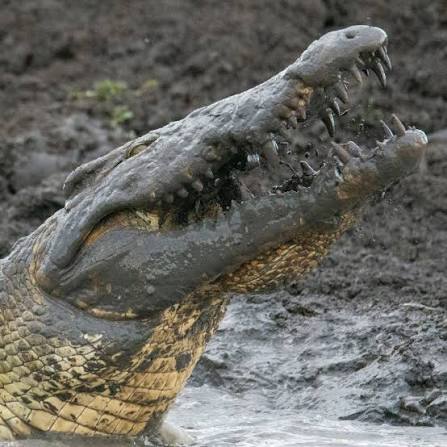
Some of these Nile giants measure over 5 meters (16 feet) long and have been patrolling these waters for decades. They’re stealthy, powerful, and efficient. When a wildebeest or zebra hesitates at the water’s edge, the crocodiles are already watching, eyes just above the surface, bodies invisible in the murky water.
But it’s not just about predators. The Great Migration turns this river into a theater of survival. Between May and July, hundreds of thousands of wildebeest and zebras gather along the banks, hesitant and restless. Then—suddenly—one animal leaps, and chaos erupts. Dust, splashes, panic, and raw determination fill the air.
Witnessing a Grumeti crossing is one of Africa’s most gripping wildlife experiences.
Life Beyond the Crocodiles
Yes, the crocs are legendary—but the Grumeti River is home to so much more.
-
Hippos grunt and splash in deeper pools by day, grazing on land by night.
-
Elephants arrive in family herds to drink and bathe.
-
Buffalo gather in muddy wallows, while giraffes nibble acacia leaves along the riverbanks.
-
Lions, leopards, and hyenas patrol the surrounding plains, always on the lookout for an easy meal.
Bird lovers will be in paradise, too. Keep an eye out for African fish eagles, kingfishers, herons, and colorful bee-eaters—all of which thrive in this riverside habitat.
The Best Time to Visit the Grumeti River
Your ideal time depends on what you want to see:
| Season | What to Expect |
|---|---|
| May – July | Prime migration crossing season—dramatic river action and crocodile feeding frenzies. |
| June – October | Dry season = animals gather near water, making wildlife easier to spot. |
| November – April | Lush green landscapes, stunning photography, and abundant birdlife—though crossings are rare. |
No matter when you go, the wildlife is always present. But if you’re chasing crossings, plan for flexibility. Nature doesn’t follow a calendar.
Safari Activities Along the Grumeti
Game drives remain the primary way to explore the area. Experienced guides monitor wildlife movements daily and communicate with one another to locate interesting sightings.
-
Walking safaris – Track animals on foot and learn about the smaller details of the ecosystem.
-
Hot-air balloon safaris: Float above the river and plains for a breathtaking bird’s-eye view.
-
Photographers, in particular, love to settle in for the long haul near spots where animals are known to cross. They’ll wait sometimes for hours on end just hoping for a flicker of movement, a shadow shifting in the brush. It takes patience, sure. A lot of it. But when that moment finally comes? When everything aligns just right? The shots they walk away with are nothing short of magical.
Most visitors stay for 2–3 nights in the Western Corridor, giving themselves enough time to explore different sections of the river and increase their odds of witnessing something extraordinary.
Conservation: Protecting the River’s Future
The Grumeti isn’t just a tourist attraction—it’s a lifeline for the entire Serengeti ecosystem.
Conservation teams work hard to:
-
Combat illegal hunting
-
Restore damaged habitats
-
Protect migration corridors
-
Work with local communities to promote sustainable tourism
Your visit directly supports these efforts, helping fund ranger patrols, research, and community projects. In a changing climate, protecting rivers like the Grumeti has never been more urgent—or more important.
Plan Your Grumeti River Safari
The Grumeti is best explored as part of a wider Serengeti safari. Many travelers combine it with:
-
Central Serengeti for year-round game viewing
-
Ngorongoro Crater is the “eighth wonder of the world”
-
Lake Victoria for a relaxing finish
Choosing an experienced local guide makes all the difference. They know the river’s moods, the animals’ habits, and the best spots to witness nature’s greatest shows—while ensuring you observe responsibly.
Accommodation options range from seasonal tented camps that move with the migration to luxury permanent lodges perched above river valleys. Whether you’re a budget traveler or seeking five-star comfort, there’s something for every kind of adventurer.
Why the Grumeti River Stays With You
The Grumeti River isn’t just a place—it’s an experience. It’s the tension in the air as a herd gathers at the water’s edge. It’s the explosive chaos of a crossing. It’s the quiet thrill of watching a 5-meter crocodile glide silently past your vehicle.
For travelers seeking authentic, crowd-free safari moments, the Grumeti delivers in spades. Whether you come for the migration, the birds, the landscapes, or simply to feel the pulse of the wild, you’ll leave with stories that will last a lifetime—and a deeper respect for the delicate balance of life in Tanzania’s Serengeti.
For travelers who crave wildlife that’s larger than life, wild encounters without the traffic jams, and views that stop you in your tracks, the Grumeti River delivers something truly special.
This is Tanzania at its most raw—where crocodiles glide through murky waters, herds hold their breath at the water’s edge, and every season writes a new chapter in an ancient story.
Sit quietly long enough by the riverbank, and you might just witness something that rewires your sense of what’s real—a chase, a crossing, a split-second struggle that sums up life and death in the Serengeti. These aren’t moments you watch;
They’re moments that stay with you, long after the dust settles on your boots. And when you finally pull yourself away, you carry with you not just photos, but a quiet, humbled awe for a world that runs on its own wild rhythm—and lets you, for a little while, be part of it.