


Tanzania’s Southern Circuit: Ruaha, Selous, and Mikumi Compared
Tanzania’s Southern Circuit: Which Park Is Right for You?
When most people think of a Tanzanian safari, their minds drift straight to the Serengeti or the Ngorongoro Crater. And for good reason—those places are legendary. But there’s another side to Tanzania that often gets overlooked: the wild, untamed south.
Imagine vast landscapes stretching endlessly before you, wildlife sightings without a dozen other safari vehicles in sight, and the feeling that you’ve truly stepped off the grid. That’s exactly what Tanzania’s southern circuit offers.
If you’re wondering whether Ruaha, Nyerere (formerly Selous), or Mikumi is the right fit for your dream safari, you’re not alone. It’s one of the most common questions travellers ask when planning a trip down south. Each park has its own personality, scenery, and style of adventure—and the best choice really depends on what you’re looking for.
Let’s break them down, side by side, so you can decide with confidence.
What Makes the Southern Circuit So Special?
Southern Tanzania is raw, remote, and refreshingly quiet. Unlike the northern circuit, where parks are clustered together, the south is spread out across vast protected wilderness—think sweeping grasslands, winding rivers, dense forests, and rugged hills.
The result? A deep sense of isolation and immersion in nature that’s getting harder to find elsewhere. Wildlife here behaves naturally, undisturbed by the constant hum of safari traffic. That’s why so many seasoned safari-goers return to the south again and again.
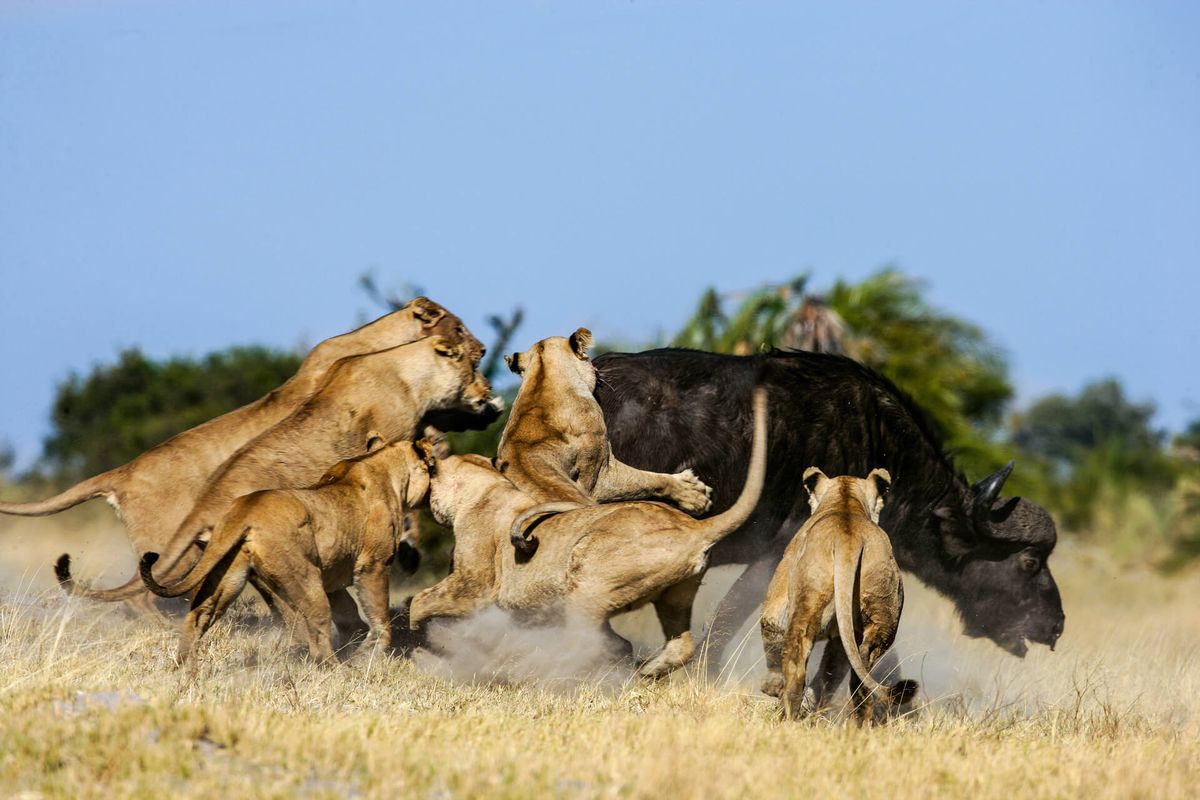
Ruaha National Park: For the True Wilderness Seeker
Best for: Predator lovers, elephant enthusiasts, and travellers craving total seclusion.
Ruaha is Tanzania’s largest national park—over 20,000 square kilometres of raw, untamed beauty. And it shows. The landscape is dramatic: ancient baobab trees, rocky hills, winding seasonal rivers, and open plains that seem to go on forever.
This is predator country. Lions are everywhere—often lounging in the shade of baobabs or stalking prey across the plains. Leopards thrive in the rocky terrain, and cheetahs patrol the open grasslands. Add one of Tanzania’s biggest elephant populations, and you’ve got a wildlife experience that’s hard to beat.
Birdwatchers, take note: over 570 species have been recorded here.
But what really sets Ruaha apart is the sheer sense of wildness. You can drive for hours without seeing another vehicle. It’s just you, the animals, and the vast African sky.
Nyerere National Park (The Legacy of Selous): For the Adventurer
Best for: Boat safaris, walking safaris, and spotting endangered African wild dogs.
Many still call it Selous—and we get it; old habits die hard. But officially, the safari area is now Nyerere National Park, and it offers something truly unique.
Water is the heartbeat of this park. Rivers, oxbow lakes, and marshes create a lush, vibrant ecosystem. Hippos grunt in the shallows, crocodiles bask on sandy banks, and elephants wade through channels while fish eagles circle overhead.
Here’s where it gets exciting: Nyerere is one of the few places in Tanzania where you can combine classic game drives with boat safaris and guided walking safaris. Gliding silently along a river as wildlife drinks just metres away? That’s a memory you’ll carry forever.
It’s also one of the best places in Africa to see the highly endangered African wild dog. Sightings aren’t guaranteed, but when they happen, it’s pure magic.
Mikumi National Park: The Accessible Gem
Best for: First-time safari-goers, budget-conscious travellers, and those short on time.
Mikumi is often called the “Serengeti of the South”—and for good reason. Its open grasslands stretch wide, making wildlife easy to spot. Plus, it’s just a 5–6-hour drive from Dar es Salaam, so you can be on safari almost as soon as you land.
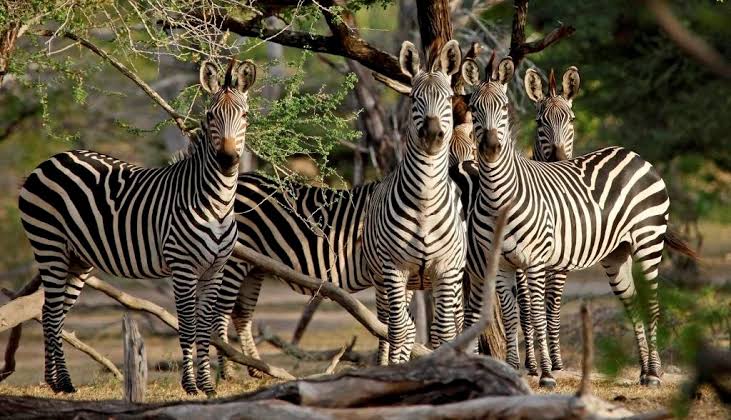
Don’t let its accessibility fool you, though. Mikumi delivers real wildlife action: lions prowling the plains, herds of zebra and wildebeest, giraffes striding gracefully across the horizon, and elephants wandering through the grasslands. The Mkata Floodplain is a particular hotspot, where animals gather in impressive numbers.
It’s smaller than Ruaha and Nyerere, but what it lacks in size, it makes up for in convenience and wildlife concentration.
Side-by-Side Comparison: Which One Fits You?
| Park | Vibe | Best For | Unique Activity |
|---|---|---|---|
| Ruaha | Remote, rugged, wild | Predators, elephants, solitude | Full-day game drives |
| Nyerere | Lush, water-rich, adventurous | Boat safaris, walks, wild dogs | River safaris & walking tours |
| Mikumi | Accessible, open, relaxed | First-timers, short trips, budget travellers | Classic game drives |
What About Accommodation?
All three parks offer a range of stays—from comfortable mid-range lodges to luxurious tented camps that blend into the wilderness.
-
Ruaha is known for intimate, eco-friendly camps with sweeping views over rivers where wildlife gathers.
-
Nyerere has beautiful riverside lodges with decks overlooking hippo-filled channels.
-
Mikumi offers the widest variety of budget-friendly options, making it ideal for travellers watching their wallet.
Whatever your budget, book early—especially during the peak dry season from June to October.
When’s the Best Time to Go?
The dry season (June–October) is prime time for wildlife viewing across all three parks. Animals cluster around permanent water sources, making them easier to find.
-
Ruaha shines brightest then, with elephants and predators gathering along the Great Ruaha River.
-
Nyerere is also spectacular—riverbanks teem with life.
-
Mikumi is great year-round, but the dry season offers clearer visibility.
If you’re a bird lover or don’t mind occasional rain, the green season offers lush scenery, fewer crowds, and lower prices.
Can You Combine Them?
Absolutely. In fact, many travellers do exactly that.
A classic southern safari might start in Mikumi for a gentle introduction, move on to Nyerere for water-based adventures, and finish in Ruaha for the ultimate wilderness experience. Each park reveals a different side of Tanzania—from open plains to winding rivers to baobab-dotted hills.
It’s a journey that feels like three safaris in one.
Which One Should You Choose?
Here’s the truth: there’s no wrong answer. It all depends on what you’re after.
-
Choose Ruaha if you dream of remote wilderness, thrilling predator encounters, and giant elephant herds—and you don’t mind going the extra mile to get there.
-
Choose Nyerere if you want variety—boat safaris, walking adventures, and a chance to see African wild dogs in a lush, water-rich landscape.
-
Choose Mikumi if time or budget is tight, or if you’re a first-time safari-goer who wants a classic, hassle-free experience.
And if you’ve got the time? Combine them. Because Tanzania’s southern circuit isn’t just an alternative to the north—it’s a whole different world. Quieter. Wilder. More intimate.
And once you’ve experienced it, you’ll understand why so many travellers say it’s one of Africa’s best-kept secrets.
Tanzania’s southern circuit offers something the north simply can’t: space, silence, and a deeper connection with the wild. Whether you’re tracking lions in Ruaha, gliding along rivers in Nyerere, or spotting zebras on the plains of Mikumi, you’re in for an experience that feels genuinely personal.
So go ahead—pick your park, pack your sense of adventure, and get ready for a safari that’s anything but ordinary.