


Tanzania Photography Safaris: Top Locations and Tips
Tanzania is one of the most powerful wildlife photography destinations in the world. The combination of vast open landscapes, dense animal populations, dramatic seasonal changes, and predictable wildlife behavior makes it a dream location for both amateur and professional photographers.
From the endless plains of the Serengeti to the volcanic caldera of Ngorongoro and the elephant-rich valleys of Tarangire, every region offers different lighting conditions, compositions, and photographic opportunities.
This guide breaks down the best photography locations in Tanzania and the practical techniques that will help you capture stronger wildlife and landscape images.
Why Tanzania is ideal for photography safaris
Tanzania offers a rare combination of elements that matter in wildlife photography. The first is visibility. Many of its major parks feature open terrain where animals can be seen at a distance, giving photographers time to frame shots properly rather than reacting instantly.
The second is wildlife density. In key regions, especially during dry seasons or migration periods, animals gather in large numbers, creating high-action scenes that are visually dynamic.
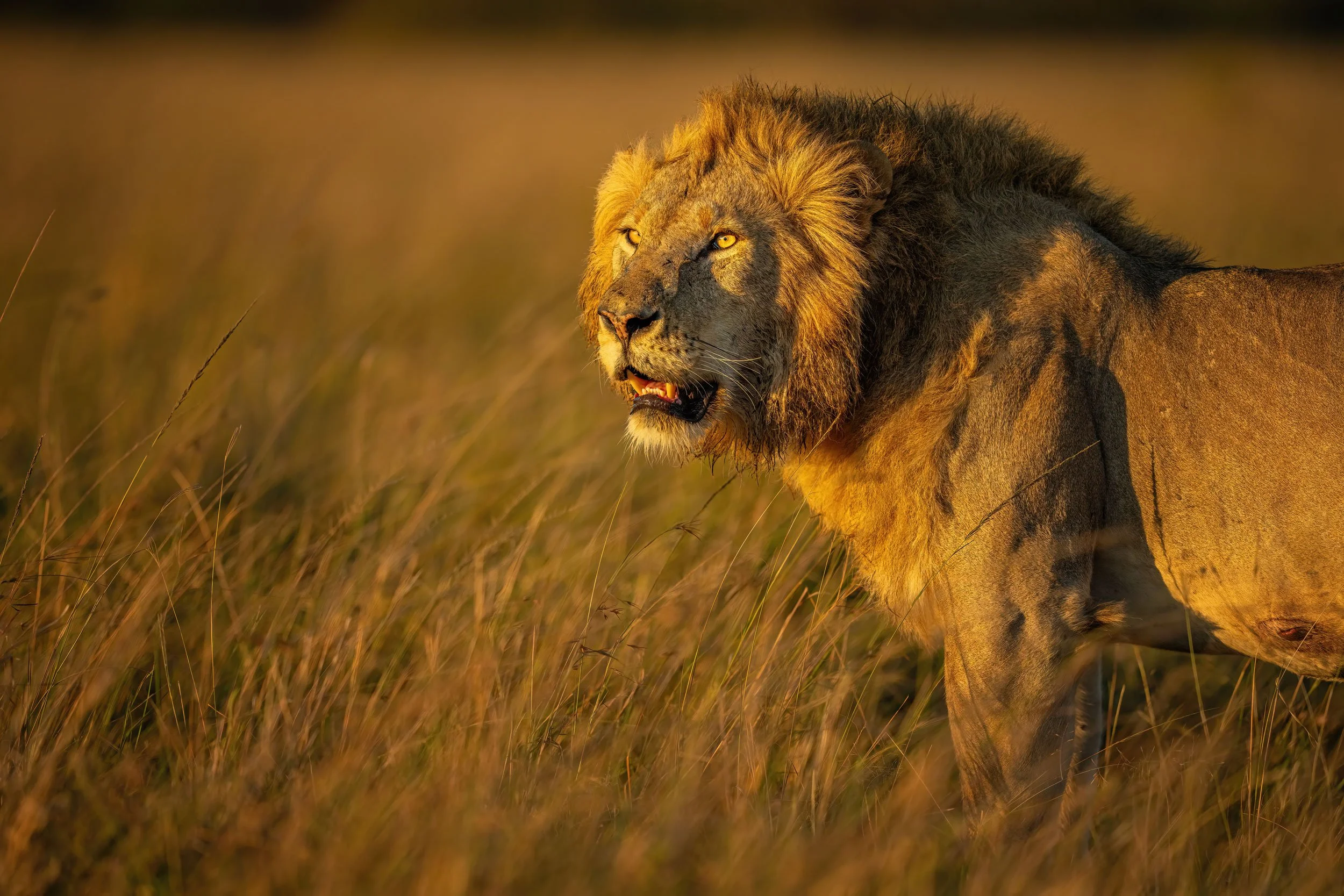
The third is light and landscape variation. Early mornings and late afternoons provide golden tones over savannahs, while volcanic and forested regions introduce texture and depth into compositions.
Together, these factors create conditions where both storytelling and technical photography can thrive.
Serengeti National Park: classic wildlife photography
Serengeti National Park is the most iconic photography location in Tanzania. It is best known for its vast open plains and the Great Migration, where millions of wildebeest and zebras move across the ecosystem in search of fresh grazing.
The Serengeti is ideal for capturing predator-prey interactions. Lions hunting in open grasslands, cheetahs sprinting across plains, and hyenas interacting in clan dynamics are all common subjects.
The open environment also makes it easier to use long lenses effectively, as subjects are rarely obstructed by dense vegetation. The key challenge here is patience, as the best shots often come from waiting for natural behavior rather than chasing action.
Ngorongoro Crater: dense wildlife in a dramatic setting
Ngorongoro Conservation Area offers a completely different photographic environment. The crater floor is a self-contained ecosystem with high wildlife density in a relatively small area.
This makes it ideal for capturing multiple species within a single frame or time period. You can photograph lions, elephants, buffalo, hippos, and rhinos all within a single day.
The crater walls also create a unique visual backdrop, giving images a sense of enclosure and scale that is difficult to replicate elsewhere. Early morning mist often adds atmospheric depth to landscape shots.
Tarangire National Park: elephants and baobab landscapes
Tarangire National Park is one of the most visually distinctive photography locations in Tanzania.
It is famous for its large elephant herds and ancient baobab trees, which provide natural compositional anchors for landscape photography. During the dry season, animals concentrate around the Tarangire River, creating strong wildlife density in a relatively compact area.
The combination of elephants and towering trees allows for powerful scale comparisons, especially when shooting wide-angle environmental portraits.
Lake Manyara: forest and bird photography
Lake Manyara offers a completely different environment compared to open savannah parks. It includes groundwater forests, lake shores, and escarpment views, making it ideal for varied photographic styles.
The park is particularly known for birdlife, including flamingos, storks, and pelicans. It is also one of the few places where tree-climbing lions can occasionally be photographed.
Because of the dense vegetation, telephoto lenses and fast shutter speeds are essential here to capture movement in shaded conditions.
Kilimanjaro region: landscape and cultural photography
The area around Mount Kilimanjaro is ideal for landscape and cultural photography rather than traditional safari wildlife shots.
Clear views of the mountain at sunrise or sunset create strong composition opportunities, especially from coffee farms and rural villages on its slopes. The contrast between agricultural life and the snow-capped summit adds depth to storytelling images.
This region also offers opportunities to photograph local farming communities, coffee production, and daily rural life.
Zanzibar: coastal and cultural photography
On the coast, Zanzibar provides a completely different photography style focused on culture, architecture, and ocean landscapes.
Stone Town Zanzibar is especially strong for street and architectural photography. Narrow alleyways, carved wooden doors, and textured walls create strong visual patterns and light-shadow contrasts.
Coastal areas also provide opportunities for dhow sailing photography, spice markets, and sunset seascapes.
Photography tips for Tanzania safaris
Successful safari photography in Tanzania is not just about location but also technique and timing.
Early morning and late afternoon are the most important shooting windows. The light is softer, shadows are longer, and animal activity is higher. Midday light tends to be harsh and less suitable for detailed wildlife shots.
Using a telephoto lens in the range of 200mm to 600mm is essential for wildlife work, especially in open parks like the Serengeti. However, a wide-angle lens is also useful for environmental shots that show animals in context.
Stability is important, especially when shooting from safari vehicles. Bean bags are commonly used instead of tripods to stabilize long lenses.
Understanding animal behavior improves photography more than equipment alone. Anticipating movement, especially during hunting or crossing scenes, increases the chances of capturing decisive moments.
Seasonal planning for photography safaris
Timing your trip is critical. The dry season, typically from June to October, offers the best general wildlife visibility as animals gather around water sources and vegetation is sparse.
The Great Migration period in the Serengeti adds additional photographic opportunities, especially river crossings, dramatic herd movement, and predator interactions.
The green season, from November to May, offers different advantages, including lush landscapes, dramatic skies, and fewer tourists. It is also a strong period for bird photography and newborn wildlife.
Ethical photography considerations
Responsible photography is essential in Tanzania’s protected areas. Maintaining distance from wildlife, avoiding disturbance, and respecting park rules ensures both safety and conservation integrity.
Flash photography is discouraged in most wildlife situations, and vehicles should never block animal movement or chase subjects for better angles.
The best wildlife photography comes from patience and observation rather than interference.
Thoughts
A photography safari in Tanzania is one of the most rewarding visual experiences in the world. Each region offers a different photographic identity, from the open drama of the Serengeti to the enclosed intensity of Ngorongoro, the sculptural landscapes of Tarangire, and the cultural depth of Zanzibar and Kilimanjaro’s foothills.
What makes Tanzania exceptional is not just the number of photographic subjects but the diversity of environments and light conditions. This allows photographers to build a varied and powerful portfolio within a single trip.
Ultimately, the most successful images come from understanding both the land and its wildlife—waiting for the right moment rather than forcing it, and letting the rhythm of Tanzania shape the frame.