


Serengeti vs Amboseli for First-Time Visitors: Which Wins?
Choosing between Serengeti National Park and Amboseli National Park is one of the most important decisions a first-time safari traveler will make. These two parks are among Africa’s most iconic wildlife destinations, yet they deliver fundamentally different experiences. Understanding those differences in depth is essential if you want your first safari to match your expectations rather than challenge them.
At a surface level, both parks offer classic African wildlife—lions, elephants, zebras, giraffes, and expansive savannah landscapes. But once you look beyond the basics, the contrast becomes clear. Serengeti is about scale, movement, and immersion, while Amboseli is about accessibility, predictability, and visual drama. The question of which “wins” is less about superiority and more about alignment with what a first-time visitor actually needs.
The Philosophy of a First Safari
Before comparing the parks directly, it is critical to understand what defines a successful first safari. Most first-time visitors are not seasoned wildlife trackers. They are experiencing African wilderness for the first time, often with expectations shaped by documentaries or social media.
This means they typically want three things. First, consistent wildlife sightings without long dry spells. Second, landscapes that immediately feel iconic and visually rewarding. Third, a travel experience that is not overly complex or exhausting.
When evaluated through this lens, the differences between Serengeti and Amboseli become more meaningful.
Landscape and Visual Impact
The first impression of Africa matters. It shapes how a visitor remembers the entire safari.
Amboseli is arguably one of the most visually striking parks in Africa because of its relationship with Mount Kilimanjaro. The snow-capped peak rising behind open plains and elephant herds creates a cinematic setting that feels instantly recognizable. Even without wildlife, the scenery alone delivers a powerful sense of place.
The terrain in Amboseli is open and flat, with seasonal wetlands and dusty plains that make wildlife easy to spot. This openness creates a sense of clarity. Visitors quickly understand what they are seeing and where to look.
Serengeti, on the other hand, is vast beyond immediate comprehension. Its beauty is not defined by a single landmark but by endless horizons and subtle changes in terrain. The landscape evolves as you move through it—from open plains to riverine forests to rocky outcrops known as kopjes.
For first-time visitors, Serengeti can feel overwhelming rather than immediately impressive. Its scale requires time to appreciate. Amboseli, by contrast, delivers instant visual satisfaction.
Wildlife Density and Viewing Experience
Wildlife is the core of any safari, but how it is experienced differs significantly between these parks.
Amboseli is compact, which concentrates wildlife into a smaller area. This leads to high visibility and frequent sightings. Elephant herds are particularly prominent, often moving in large numbers across open terrain. Lions, buffalo, giraffes, and zebras are also regularly seen.
Because the park is small, guides can move efficiently between sightings. This reduces the time spent searching and increases the likelihood of multiple encounters in a single game drive.
Serengeti operates on a completely different scale. Wildlife is abundant, but it is spread across a vast ecosystem. Sightings are not guaranteed in the same way as Amboseli. Instead, they depend on location, timing, and guide expertise.
What Serengeti offers is diversity and depth. Predator populations are higher, and the interactions between species are more complex. This is where the Great Migration becomes a defining factor.
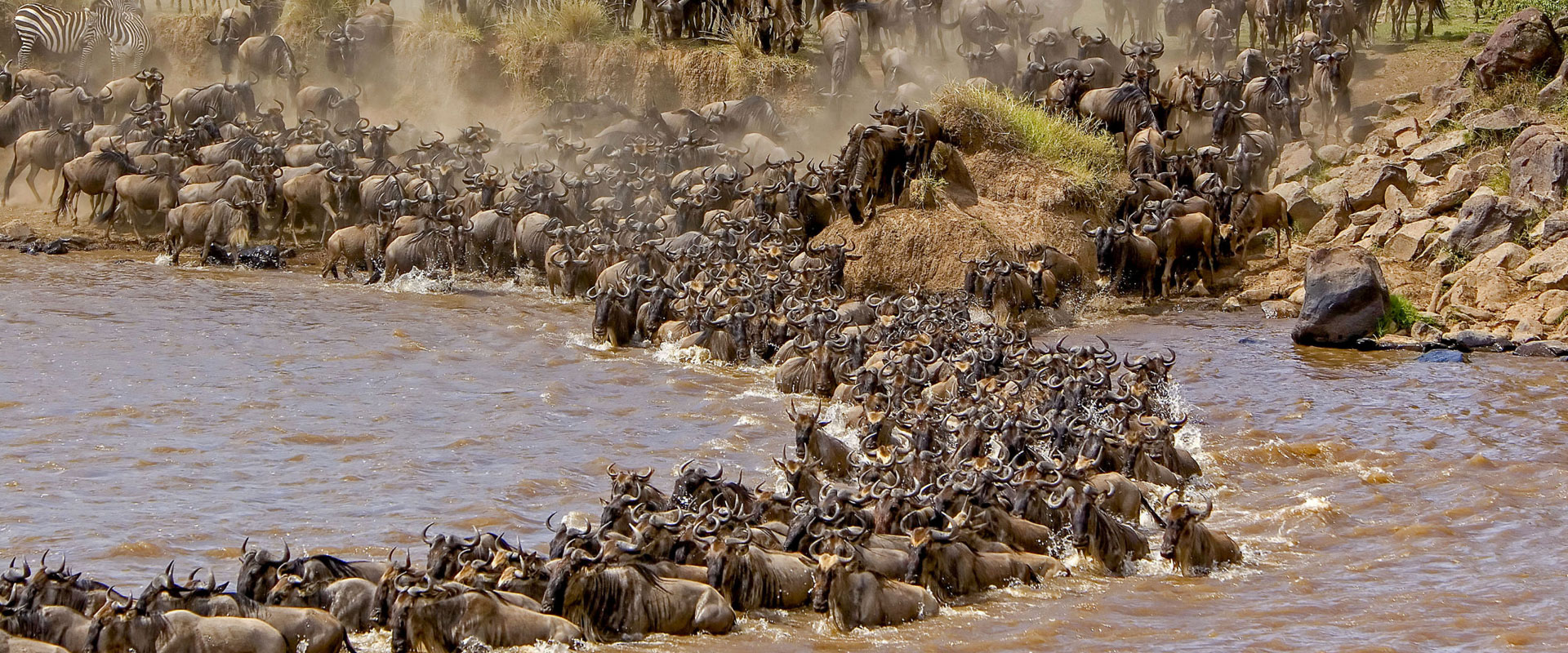
The Great Migration is not just a wildlife event; it is a moving ecosystem. Millions of wildebeest, zebras, and gazelles travel in search of fresh grazing, followed by predators. Witnessing this phenomenon can redefine a traveler’s understanding of wildlife.
However, the migration is seasonal and unpredictable. A first-time visitor who arrives at the wrong time or in the wrong region may not see it at all. This introduces an element of uncertainty that does not exist in Amboseli.
Travel Logistics and Accessibility
Ease of travel is one of the most underestimated factors for first-time safari visitors.
Amboseli is easily accessible from Nairobi. The journey can be completed by road in a few hours or by a short domestic flight. This simplicity reduces travel fatigue and allows visitors to spend more time on safari rather than in transit.
Because of its accessibility, Amboseli is ideal for shorter itineraries. A two- or three-day visit is enough to experience the park thoroughly.
Serengeti requires more planning. Most travelers begin their journey in Arusha before flying into one of the park’s airstrips. Internal flights, transfers, and longer distances between regions add complexity to the trip.
This is not necessarily a disadvantage, but it does require more time, coordination, and budget. For a first-time visitor unfamiliar with African travel logistics, this can be challenging.
Duration and Time Efficiency
Time is a critical factor in determining which park is more suitable.
Amboseli is efficient. Within a short timeframe, visitors can see a wide range of wildlife and landscapes. This makes it ideal for travelers with limited vacation days or those combining safari with other experiences such as city tours or beach holidays.
Serengeti demands time. To truly experience its diversity, visitors need at least four to six days, often more. This allows for exploration of different regions and increases the chances of witnessing significant wildlife events.
For first-time visitors, the time requirement alone often makes Amboseli the more practical choice.
Cost Considerations
Budget plays a significant role in safari planning.
Amboseli is generally more affordable. Lower travel costs, fewer internal flights, and a range of accommodation options make it accessible to a wider range of travelers.
Serengeti is more expensive. The scale of the park, combined with logistical requirements and high-end accommodation options, increases overall costs. Mobile camps that follow the migration, in particular, can be costly.
For a first safari, where expectations are still being formed, many travelers prefer a more controlled financial commitment. This again favors Amboseli.
Safari Style and Experience
The style of safari experience differs greatly between the two parks.
Amboseli offers a structured and predictable experience. Game drives are shorter, sightings are frequent, and the overall pace is relaxed. This creates a sense of confidence for first-time visitors.
Serengeti is more immersive and exploratory. Game drives can be long, and the search for wildlife becomes part of the experience. This appeals to travelers who enjoy a deeper connection with nature and are comfortable with uncertainty.
For someone new to safaris, the Amboseli approach often feels more rewarding because it minimizes frustration and maximizes visible results.
Photography and Visual Storytelling
Photography is a major motivation for many safari travelers.
Amboseli excels in this area due to its open landscapes and consistent lighting conditions. The presence of Mount Kilimanjaro adds a dramatic focal point that enhances composition. Wildlife is easier to frame against clear backgrounds.
Serengeti offers more complex photographic opportunities. The diversity of landscapes and wildlife interactions creates dynamic scenes, but they require patience and skill to capture effectively.
For beginners, Amboseli provides more immediate photographic success, while Serengeti rewards more experienced photographers.
The Emotional Impact of Each Park
A first safari is not just about what you see—it is about how it makes you feel.
Amboseli delivers satisfaction quickly. Within a short time, visitors feel they have experienced Africa. The combination of elephants, open plains, and Kilimanjaro creates a strong emotional impression.
Serengeti builds its impact gradually. The vastness, the movement of wildlife, and the unpredictability create a deeper, more complex experience. It is less about immediate gratification and more about immersion.
For first-time visitors, the emotional clarity of Amboseli often resonates more strongly.
Final Verdict: Which Wins?
If the question is which park is objectively better, there is no simple answer. Both are exceptional in their own ways.
However, if the question is which park is better for first-time visitors, the answer becomes clearer.
Amboseli National Park is the stronger choice for most first-time safari travelers. It offers high wildlife visibility, stunning scenery, simple logistics, and efficient use of time. It delivers the essence of a safari without overwhelming the visitor.
Serengeti National Park is the superior choice for travelers who have more time, a larger budget, and a desire for a deeper, more immersive experience. It represents the pinnacle of safari travel but requires greater commitment.
Strategic Recommendation
The most effective approach is not to see this as a permanent choice but as a progression.
Start with Amboseli. Use it to understand what a safari feels like, how game drives work, and what aspects of wildlife travel appeal to you.
Then, when you are ready for a more expansive and complex experience, move to Serengeti. At that stage, you will appreciate its scale and depth far more than you would on a first visit.
For a first-time visitor, success is defined by clarity, comfort, and consistent reward. Amboseli delivers all three with precision.
Serengeti offers something greater, but it is best experienced when you are prepared for its scale and complexity.
So, which wins? For a first safari, Amboseli takes the lead. For a lifetime safari ambition, Serengeti remains unmatched.