


Serengeti Kopjes Explained: Why Lions Love These Rocks
Let Me Tell You About the First Time I Saw a Kopje
I’ll never forget it.
We’d been driving across the Serengeti for hours. Just grass. Endless, golden, waving grass that stretched to the horizon in every direction. Don’t get me wrong—it was beautiful. But after a while, everything starts to look the same.
Then I saw them.
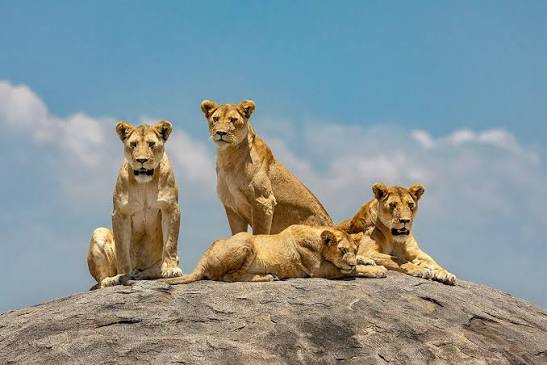
These massive boulders just… appeared. Rising out of nowhere like they’d been dropped by some giant hand. They were smooth and rounded, almost sculpted, glowing warmly in the afternoon light. And sprawled across the top of the biggest one? A family of lions. Just lying there, completely unbothered, looking like they owned the entire world.
I remember thinking: that’s the most perfect picture I’ve ever seen. But why are they always on those rocks?
Turns out, there’s so much more going on than I realized.
What Actually Are These Things?
First things first—let’s talk about what we’re even looking at.
These rocky islands are called kopjes (say it like “cop-ees”). It’s an Afrikaans word that just means “little hill.” Which, honestly, feels like a huge understatement when you’re standing next to one.
Here’s the mind-blowing part: these rocks are insanely old. Like, half a billion years old. That’s before dinosaurs. Before trees. Before almost everything.
They started as molten granite deep underground—picture liquid rock, bubbling and churning miles beneath your feet. Then, over hundreds of millions of years, the softer rock around them slowly wore away. Rain, wind, heat, cold—they just kept at it, patient as anything, until nothing was left but these massive granite islands standing alone in a sea of grass.
Some kopjes are just a few boulders stacked together. Others are proper mini-mountains with hidden caves and narrow passages you could easily get lost in. Each one has its own personality. Each one tells its own story.
And every single one is absolutely buzzing with life.
Why Lions Can’t Stay Away
Let’s be real for a second. If you were a lion, where would you want to hang out?
Because I’ve been to the Serengeti, and let me tell you—it’s HOT. Like, Africa is hot. The kind of heat that makes you feel like you’re slowly baking inside a giant oven. There’s almost no shade anywhere. Just miles of grass and more grass, soaking up the sun.
Now imagine you’re a lion. You’ve got this thick fur coat—it’s gorgeous, don’t get me wrong, but it’s also basically a winter jacket. You’ve been up all night hunting. You’re exhausted. And there’s not a tree in sight.
Then you spot a kopje.
First of all, the view is incredible
When you scramble up those rocks, everything changes. Suddenly you’re not just a lion on the plains—you’re the king of everything you can see.
From up there, you can watch herds of wildebeest grazing miles away. You can spot a zebra moving through the grass. You can see buffalo heading toward the water hole. You just sit there, lazy as anything, conserving every ounce of energy, waiting for the perfect moment.
It’s like having a front-row seat to the greatest show on earth—and you don’t even have to pay for tickets.
Second: the ultimate nap spots
Remember that heat I mentioned?
Those rocks create actual shade. Deep, cool shadows where the temperature drops noticeably. And if you find a crack between two massive boulders? It’s like natural air conditioning. The breeze flows through and cools everything down.
Lions sleep around 20 hours a day. TWENTY. Can you blame them for wanting a comfortable spot?
Oh, and here’s a clever little trick—the rocks soak up heat during the day and release it slowly at night. So when the plains get freezing cold at sunrise, lions can stretch out on warm granite and pretend they’re on a heated floor. Smart, right?
Third: the best daycare around
This one really got me.
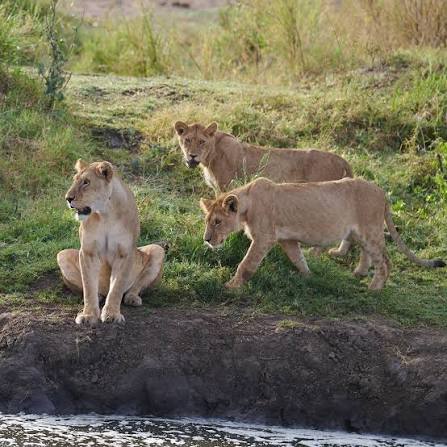
Mother lions use these rocks as nurseries for their cubs. Think about it—the plains are terrifying when you’re small and helpless. Hyenas everywhere. Leopards lurking. Strange males that might hurt you.
But those hidden caves and narrow rock passages? They’re perfect hiding spots. The cubs can stay tucked away, safe and sound, while mom goes hunting. She knows right where they are, but predators can’t get to them.
It’s like a fortress for baby lions.
Fourth: staying in touch
Lions are actually pretty social creatures. They need to know where their Pride members are.
From a high rock, they can spot each other across vast distances. A flick of the tail here. A certain posture there. They communicate without making a sound—just by being visible.
It’s their version of a group chat, I guess. No Wi-Fi required.
But Here’s What Surprised Me Most
I went to the Serengeti expecting to see lions.
What I didn’t expect was that these rocks are like tiny cities. Everyone lives there.
Rock hyraxes—these adorable little creatures that look like oversized guinea pigs—are everywhere. And get this: they’re actually related to elephants. I know, I didn’t believe it either. But it’s true. They have tiny tusks and everything. They spend their days sunbathing on warm rocks, always keeping one eye open for eagles.
Agama lizards look like someone spilled paint on them—electric blue bodies and bright orange heads during breeding season. They strut around showing off like they’re at a fashion show.
Leopards occasionally claim kopjes as their territory, especially when there are trees nearby to stash their kills.
Eagles and vultures perch on the highest points, scanning for anything that might become dinner.
Even snakes find their way into the cracks and crevices.
Every rock pile is its own little world. And the longer you sit and watch, the more you notice.
The Kopjes That Everyone Talks About
If you’re planning a trip (or just dreaming about one as I did for years), here are the ones you’ll hear guides mention:
Seronera Kopjes is lion central. There are permanent water sources nearby, so prey animals stick around all year. The lions never leave. You’re almost guaranteed to see them here, lounging on the rocks like they’re at a luxury resort.
Moru Kopjes are something special. They’re absolutely stunning—some of the most beautiful spots in the entire park. Plus, you might spot black rhinos here if you’re lucky. And there are ancient Maasai rock paintings too. You’re standing where people painted on rocks hundreds of years ago, with lions roaming nearby. It’s surreal.
Gol Kopjes becomes predator central during calving season. Thousands of wildebeest give birth on the plains, and every predator in the area shows up. It’s chaos and drama and nature at its most intense.
How to Actually Get That Perfect Photo
I’m not a professional photographer. I’m just someone who really, really wanted a good lion-on-rocks shot.
Here’s what I learned:
Early mornings are pure magic. The light is warm and golden, and the rocks practically glow. Lions are often still lounging from their night hunts.
Late afternoons are equally gorgeous—soft shadows, dramatic skies, everything looks like a painting.
Be patient. I can’t stress this enough. Lions sleep. A LOT. Sometimes you’ll sit there for an hour watching nothing happen. Then suddenly someone stretches, someone yawns, someone decides to climb to a higher spot, and click—you’ve got the shot.
Bring a long lens. You want to isolate those lions against a clean background. But don’t forget to use a wider lens too—the landscape around the kopjes is just as stunning as the rocks themselves.
And honestly? Sometimes the best moments happen when you just put the camera down and watch. Let yourself be present. That’s what you’ll remember.
A Quick Word About Being Responsible
I know it’s tempting to want to get closer. Those lions look so majestic, so calm, so… photographic.
But here’s the thing: they’re wild animals. And these rocks are their homes.
-
Keep your distance. Seriously.
-
Don’t surround them from multiple angles—it stresses them out.
-
Stay in the vehicle unless your guide says otherwise.
-
Keep noise down. No shouting, no banging.
-
Don’t try to get their attention. Let them be.
It’s not just about safety (though obviously, that matters). It’s about respect. These animals have been using these rocks for generations. We’re just visitors.
The calmer and more respectful we are, the more natural their behavior stays. And that makes the experience better for everyone.
Here’s What I Want You to Remember
When you see a photo of a lion on a kopje, you’re looking at millions of years of history. Those rocks have been there since before humans existed. They’ve watched dinosaurs come and go. They’ve seen the Serengeti change in ways we can barely imagine.
And today, they’re still doing what they’ve always done: providing shelter, offering vantage points, creating cool shade, protecting the vulnerable.
They’re not just pretty rocks.
They’re homes. They’re watchtowers. They’re nurseries. They’re community centers.
That’s why every lion photo feels so epic. It’s not just a cat on a rock. It’s a creature perfectly adapted to its environment, using ancient geology to survive and thrive.
a Little Invitation)
I’ll be honest with you—I went to the Serengeti expecting to see animals.
What I didn’t expect was to fall in love with the landscape itself. Those rocks. Those ancient, patient, enduring rocks that hold so much life and so much history.
Next time you see that classic safari image—lion, rock, golden sunset—I hope you see a little more than just a pretty picture. I hope you see the million-year history. The clever hunting strategy. The hidden cubs. The tiny hyraxes and colorful lizards living their lives between the boulders.
The Serengeti’s beauty has always been about more than just the animals. It’s about the land they live on. The land that makes all of this possible.