


Serengeti Central Zone: the best area for big cat sightings
There’s a reason this corner of Tanzania steals hearts—and it’s not just the views.
You know that feeling when you’ve been dreaming about something for years, and then it finally happens, and it’s better than you imagined?
That’s the Serengeti Central Zone for you.
I still remember the first time I saw a lion here—not in a zoo, not on a screen, but right there, yawning on a sun-warmed rock like it owned the entire planet. And honestly? It kind of does. This place isn’t just a park. It’s a kingdom. And the cats? They’re the royals.
If you’re planning a safari and your heart is set on seeing the big three—lion, leopard, and cheetah—let me tell you why this particular stretch of Tanzania is where you want to be. I’ve been lucky enough to explore a few corners of Africa, but the central Serengeti? It hits different.
Why This Place Feels Like Magic
There’s this valley called Seronera right in the middle of everything. And I don’t know if it’s the rivers that never seem to dry up, or the way the golden grass stretches forever, or those weirdly beautiful granite rocks (locals call them kopjes) that pop up out of nowhere—but something about this place just works.
The water stays put all year. So the animals stay put. The zebras, the impalas, the gazelles—they’re always around. And where they go, the predators follow. Simple as that.
But here’s what really got me: one morning, we saw a cheetah on the plains. Twenty minutes later, we found a leopard tucked in a tree by the river. And before lunch? A whole lion pride, sprawled across the rocks like oversized house cats. That’s not a good day. That’s a ridiculous day. And in central Serengeti, ridiculous days happen more often than you’d think.
The Lions Will Steal Your Heart (And Your Breath)
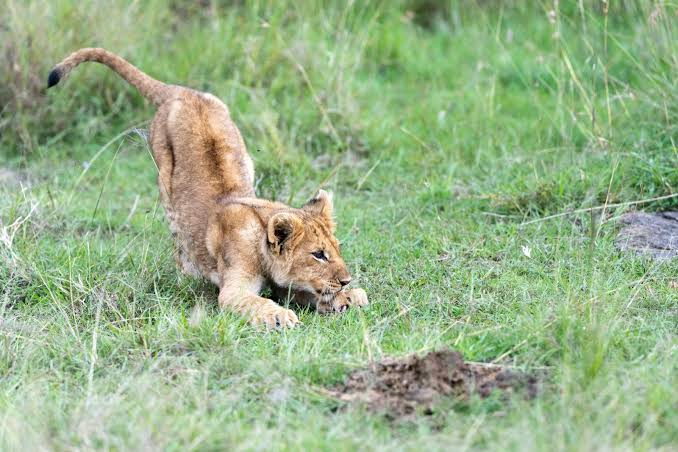
Let’s talk about lions first, because honestly, they’re hard to ignore.
There’s something about watching a lioness stretch after a long nap, her cubs tumbling over each other nearby, that makes you forget about everything else. Your phone? Who cares. Your emails? Gone. All that exists is the warmth of the sun, the faint smell of dust and dry grass, and the low grumble of a male lion calling to his pride in the distance.
The guides here know the prides like they know their own families. They have names for them. They know where they slept last night and where they’ll probably hunt this evening. That personal knowledge is gold. It turns a game drive from “looking for animals” into “visiting old friends.”
One evening, we sat in silence watching a lioness pad across the plains, her golden coat glowing in the sunset. Nobody spoke for a solid five minutes. We didn’t need to. Some moments don’t need words.
Leopards: The Shy Celebrities You’ll Never Forget
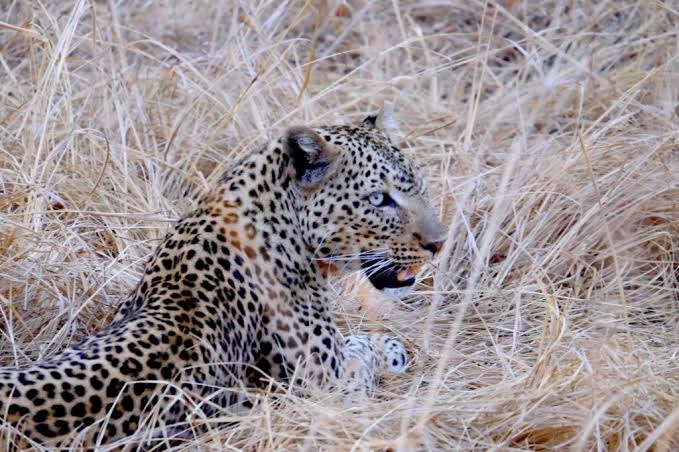
Leopards are the introverts of the big cat world. They don’t crave attention as lions do. They slink through the shadows, hide in the branches, and make you work for a glimpse.
But oh, when you do see one…
I’ll never forget our guide suddenly whispering, “Look up. Left branch.” And there it was—a leopard, draped over a thick fig tree limb like a silk scarf, its tail dangling lazily. It glanced at us for a second, totally unbothered, then went back to watching the river below.
That’s the thing about the central zone. The riverine forests are thick, the trees are old and gnarled, and leopards just love them. It’s one of the best places on earth to spot these elusive cats. But it’s not easy. Every sighting feels like you’ve been let in on a secret. And that makes it all the more precious.
Cheetahs: The Speed Demons With Soulful Eyes
Cheetahs are a whole different vibe.
They’re not built for brawls like lions. They’re built for beauty and bursts of insane speed. Watching one scan the plains from a termite mound, its muscles twitching, eyes locked on a gazelle in the distance—it’s poetry in motion.
If you’re lucky enough to see a hunt, you’ll hold your breath without even realising it. The stalk, the crouch, the sudden explosion of speed—it’s over in seconds, but it stays with you for a lifetime.
I watched a mother cheetah teach her cubs to hunt one afternoon. She brought down a small gazelle, but instead of eating right away, she let her cubs practice chasing it while it was still alive. It was raw, a little hard to watch, and absolutely fascinating. Nature doesn’t sugarcoat things. And honestly? That’s why we love it.
The Migration Adds Extra Spice
Now, here’s a bonus: even though the central zone is packed with resident animals, it also sits right on the migration highway.
Around April and May, and again in October and November, massive herds of wildebeest and zebras roll through like a river of hooves and dust. When that happens, the predators go into overdrive. Lions that were already happy become euphoric. Hyenas come out of the woodwork. Even the leopards come down from their trees a bit more often.
But don’t stress if your trip doesn’t line up with the migration. Honestly? The resident game is so strong that you’ll barely notice. I went in February once—supposedly a “quieter” time—and I lost count of how many cats we saw.
When Should You Go?
I get asked this a lot. And my honest answer? It depends on what kind of traveller you are.
-
June to October is the dry season. Mornings are crisp, skies are blue, and animals cluster around water. It’s classic safari weather.
-
November and December bring the short rains. Everything turns green and lush. It’s like someone turned up the saturation.
-
January to March is warm and quiet. Fewer tourists, same incredible wildlife.
-
April and May? Rainy, yes. But quieter, cheaper, and surprisingly beautiful. Plus, the landscape looks like a painting.
There’s no wrong answer. Just different flavours of awesome.
Where to Sleep Under the Stars
You’ve got options here, and they’re all wonderful in their own way.
If you want pampering, there are lodges with infinity pools overlooking the plains. Yes, really. You can sip a sundowner while elephants wander by in the distance.
If you want that old-school safari feel, go for a tented camp. Canvas walls, lantern light, and the sounds of the bush at night. I’ll never forget lying in my tent, listening to a lion roar somewhere nearby, and thinking, “This is what life is supposed to feel like.”
And if you’re on a budget? There are public campsites too. Basic, yes. But the experience is just as wild. The stars out here are so bright they feel fake.
A Few Tips From Someone Who’s Been
Let me save you some heartache:
-
Stay at least three nights. One day isn’t enough. You need time to let the Serengeti reveal itself to you.
-
Do both morning and afternoon drives. The energy shifts completely. Morning is fresh and hopeful. Evening is golden and dramatic.
-
Trust your guide. I know, it sounds obvious. But seriously. These people are magicians. They read tracks, listen to radio chatter, and just know where things are. Relax and let them work.
-
Pack layers. It’s freezing at 6 AM and hot by 10 AM. A good jacket and a hat are your best friends.
-
Bring binoculars. You don’t need the fanciest camera. But good binoculars? Game-changer.
Why This Place Matters
This isn’t just about ticking off a bucket list. The Serengeti is alive in a way that few places are. It reminds you that we’re just visitors here. The animals were here long before us, and with the right care, they’ll be here long after.
Conservation is real work. Rangers risk their lives to protect these animals. Communities around the park depend on tourism to survive. When you come here, you’re not just a tourist. You’re part of the story. You’re helping keep this wild, beautiful, chaotic place alive.
So tread lightly. Listen closely. And let it change you.
So, Should You Go?
Look, I’m biased. I fell in love with this place the moment I stepped off the plane. But I’ve also seen that same look of wonder on a thousand other faces—from first-time travellers to seasoned photographers.
The central Serengeti isn’t just a place to see animals. It’s a place to feel something. The wind on your face. The earth beneath your feet. The raw, unfiltered rhythm of life, death, and survival plays out right in front of you.
Lions on the rocks. Leopards in the trees. Cheetahs on the plains. Sunsets that make you forget to breathe.
If you’re dreaming of Africa, don’t just dream. Come. Experience it. Let the Serengeti Central Zone rewrite your definition of wild. Because I promise you—it will.