


Rwanda on a Budget: The Complete Guide to Affordable Travel in the Land of a Thousand Hills
Can you really travel Rwanda affordably? Short answer: yes. The “Land of a Thousand Hills” has a reputation for being expensive, but that’s mostly down to one thing—the $1,500 gorilla trekking permit. If you skip that single expense, Rwanda is one of the most rewarding and surprisingly cheap destinations in East Africa.
I spent weeks exploring Rwanda and found that you can travel on $20–35 a day without feeling like you’re missing out. This guide covers everything you need to know to make it happen.
Why Rwanda Has a Reputation for Being Expensive
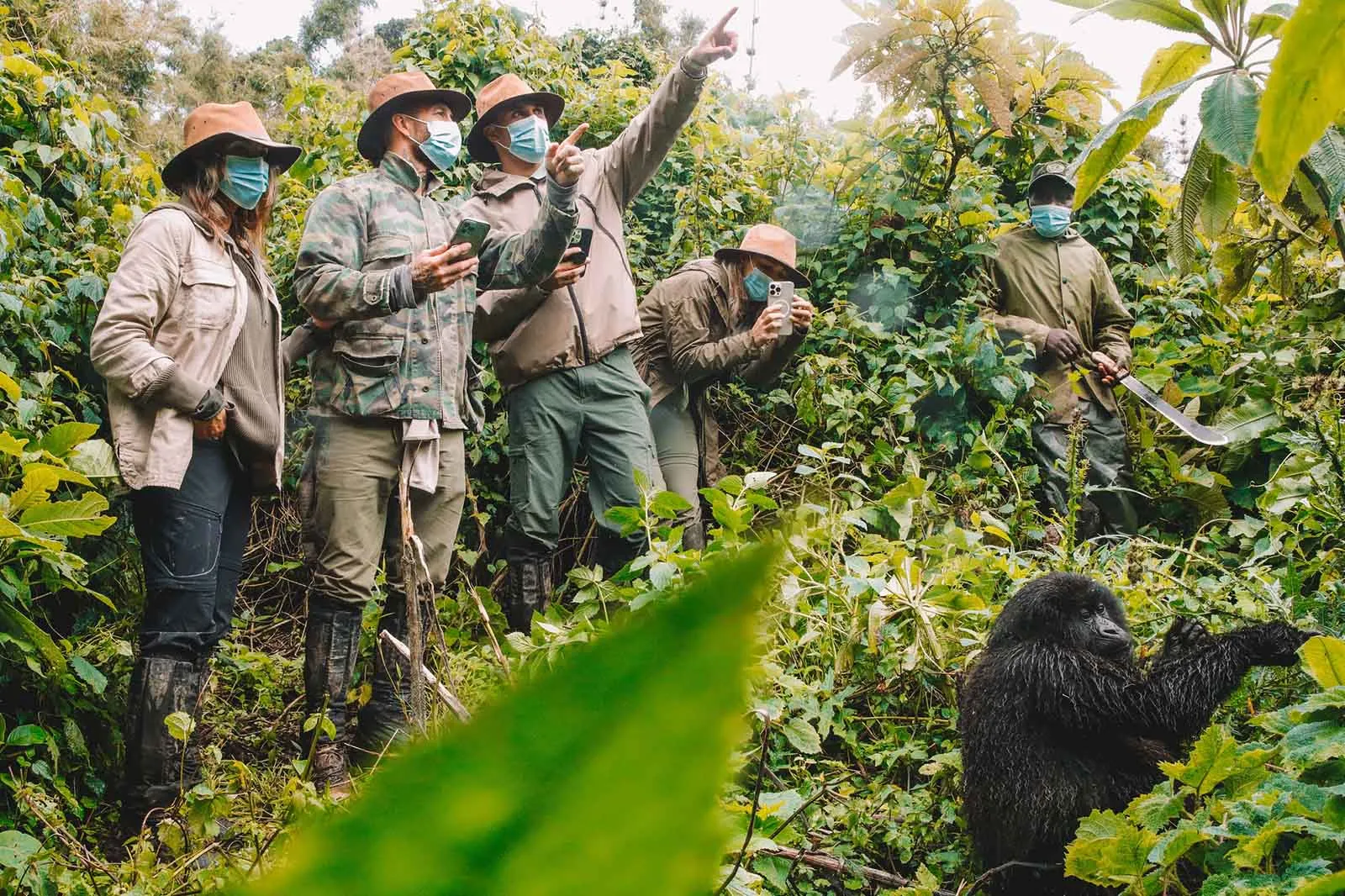
Let’s address the elephant in the room right away. Rwanda is often lumped into the “expensive” category alongside Botswana or Namibia, but this reputation is misleading. The high price tag comes almost entirely from the gorilla trekking permits at Volcanoes National Park, which cost $1,500 per person for a one-hour visit with the mountain gorillas.
Here’s the thing: most travellers aren’t doing gorilla trekking. If you’re a backpacker, digital nomad, or budget-conscious traveller, you can experience the vast majority of what Rwanda offers without ever paying that fee. The rest of the country—the accommodation, food, transport, and even other wildlife experiences—is priced for locals and regional travellers, making it very accessible.
Where to Sleep Without Breaking the Bank
Rwanda’s budget accommodation scene is better than most East African countries. The country is small, safe, and well-organised, which means even budget options maintain decent standards of cleanliness and security.
Hostels in Kigali
Kigali has a growing backpacker scene, and the hostels here rival those in Nairobi or Dar es Salaam in terms of quality. Dormitory beds typically range from $10 to $15 per night, and many include breakfast. Private rooms in hostels start around $15 to $25, while boutique guesthouses offer private doubles from $25 to $40.
The Kimihurura and Nyamirambo neighbourhoods offer the best concentration of budget options. Nyamirambo, in particular, is Kigali’s oldest and most vibrant district—staying there puts you in the heart of local life, with markets, street food, and lively cafes right on your doorstep.
Guesthouses Upcountry
Once you leave Kigali, prices drop further. In Musanze, the town closest to Volcanoes National Park, local guesthouses start at $15 to $25 per night for a private room with a shared bathroom. Many of these are family-run, and the hospitality is warm and genuine.
Around Lake Kivu, community guesthouses along the Congo Nile Trail are even more affordable, with rooms as cheap as $5 to $15 per night. These are basic—think shared bathrooms and simple beds—but they’re clean, safe, and often situated in stunning locations overlooking the lake.
Camping for the Ultimate Budget Option
If you really want to stretch your shilling, camping is the way to go. Rwanda’s national parks welcome campers, and the facilities are better than you might expect.
-
Akagera National Park has designated campsites from $5 to $15 per person. You’ll sleep inside the park boundaries, meaning you’re surrounded by wildlife sounds at night.
-
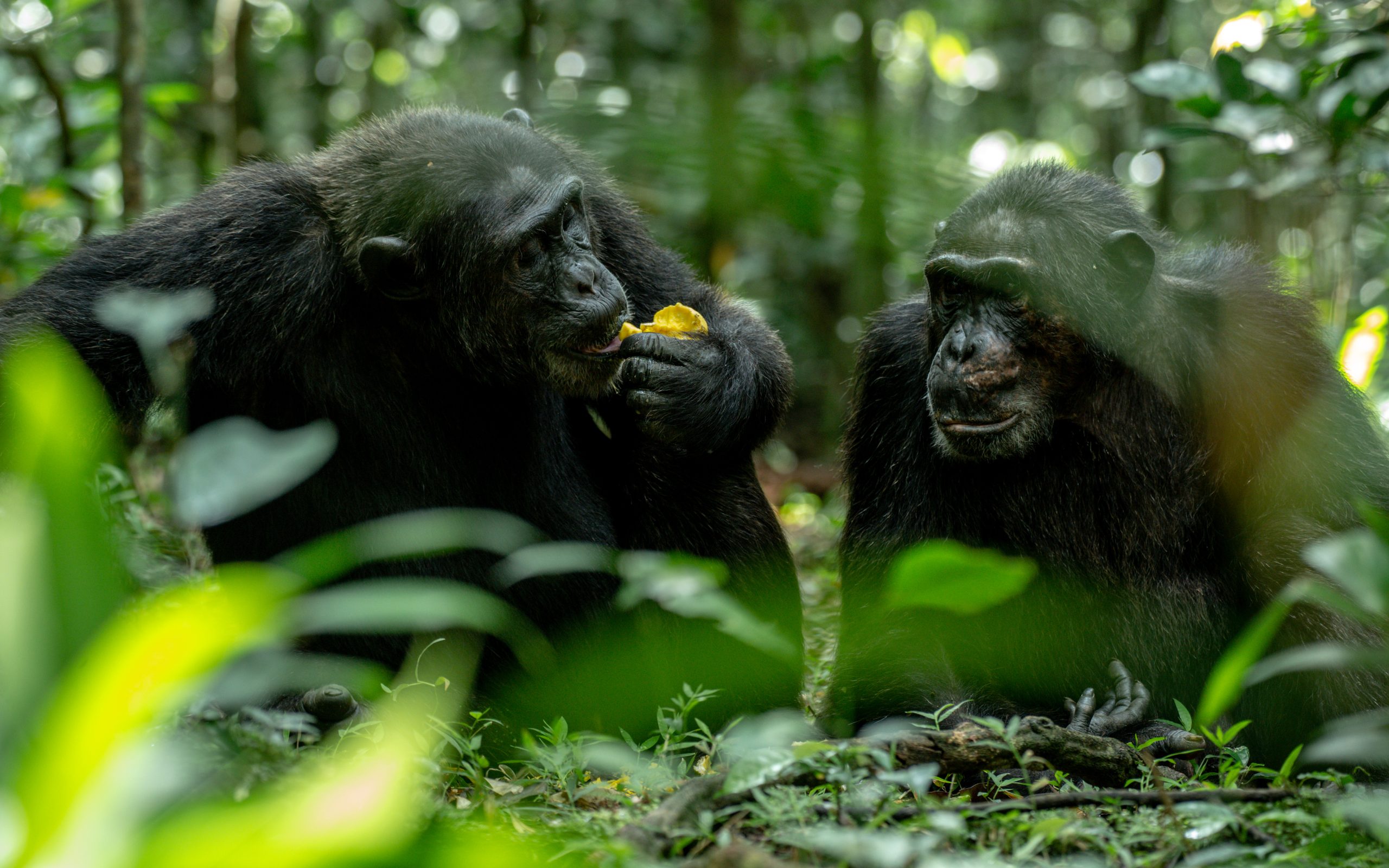
Nyungwe Forest National Park offers the Uwinka campsite for roughly the same price, tucked into the montane rainforest with chimpanzees calling in the distance.
-
Volcanoes National Park has several campsites near the park headquarters, and the town of Musanze has hostels that allow camping in their gardens for about $10 per night, with access to hot showers and shared facilities.
Bring your own tent or rent one from a hostel in Kigali before heading out.
A Note on Booking
While you can find plenty of options through international booking platforms, here’s a budget traveller’s secret: you’ll almost always get a better rate by showing up in person, especially if you’re staying for a week or more. Rwandan guesthouse owners are often willing to negotiate, and a friendly attitude goes a long way. If you’re planning a longer stay, ask about weekly or monthly discounts—you might save 20 to 30 percent.
Eating: Rwanda’s Best-Kept Secret
The food is where your budget stretches furthest. Rwanda has one of the most affordable and delicious local food scenes in East Africa, but only if you know where to look.
Local Buffets
Look for “self-service” restaurants on main streets in any town or city. These are canteen-style eateries where you grab a plate, load it up from a selection of pots, and pay by the portion. For $1 to $3, you get a plate piled high with rice, beans, cassava leaves (isombe), plantains (ibitoki), sweet potatoes, and sometimes meat or fish.
You can easily eat three substantial meals a day for under $7 total at these places. The food is hearty, filling, and prepared fresh each morning. If you’re vegetarian, Rwanda is surprisingly accommodating—beans and vegetables are staples of the local diet, and you’ll rarely struggle to find a meat-free option.
Street Food: The Real Deal
Rwanda’s street food scene is underrated. In Kigali and larger towns, you’ll find vendors grilling brochettes (skewered meat) on charcoal stoves from late afternoon onwards. Goat and beef brochettes cost $0.50 to $1.50 per skewer, and beef brochettes can be even cheaper. Pair them with grilled plantains or a chapati for a satisfying meal.
At Lake Kivu, don’t miss sambaza—small, fried sardines that come straight from the lake. A generous portion costs $1 to $3 and makes a perfect snack with a cold drink. Fresh fruit from markets is also a bargain: avocados, pineapples, mangoes, and passionfruit cost pennies, and you can pick up a week’s worth of produce for the price of a single coffee back home.
Coffee Culture on a Budget
Rwanda produces world-class specialty coffee—it’s one of the country’s biggest exports. At a local milk bar, a cup of coffee costs $0.50 to $1.50. Even at the trendiest specialty cafés in Kigali, a pour-over coffee is only $2 to $4, which is a fraction of what you’d pay in Europe or North America for similar quality.
Milk Bars: An Unmissable Local Experience
Here’s a budget travel tip that few tourists know about: visit a lait frais (milk bar) in rural Rwanda. These are simple roadside stalls where fresh or fermented milk is sold in small plastic cups. A cup costs $0.30 to $0.80, and locals gather there to chat, relax, and watch the world go by. It’s completely off the tourist trail, incredibly cheap, and offers one of Rwanda’s most unique and authentic food experiences.
Getting Around: The Budget MVP
Rwanda’s public transport system is reliable, safe, and remarkably affordable. The country’s small size means you can travel from one end to the other in a single day, and the bus network connects all major destinations.
Moto-Taxis for Short Trips
Moto-taxis (motorcycle taxis) are the go-to for short trips within cities and towns. They’re everywhere, they’re easy to flag down, and they’re incredibly cheap. Fares range from $0.40 to $2.50 depending on distance. Helmets are provided and mandatory, and drivers are generally professional and careful. Agree on the price before you get on to avoid any confusion, though the fares are fairly standardised across the country.
City Buses
Within Kigali, the city bus network is spotless, efficient, and easy to navigate. Buses run on fixed routes with clear signage, and fares are under $0.50 per journey. This is cheaper and safer than taking motos for longer distances within the capital.
Intercity Minibuses
For travelling between cities, comfortable minibuses are the way to go. The fare from Kigali to Musanze (home of Volcanoes National Park) costs about $3**. Kigali to Gisenyi on Lake Kivu is roughly **$4. Kigali to Nyungwe Forest in the southwest costs $5 to $7.
If you’re doing the classic backpacker loop—Kigali to Musanze to Gisenyi to Nyungwe and back to Kigali—your total transport cost will be under $15. That’s remarkable value for a country with such varied landscapes.
Buses leave early in the morning and fill up quickly, so arrive at the bus station at least 30 minutes before departure. If you want a guaranteed seat, buy your ticket the day before. The main bus stations in Kigali are well-organised, with clear boards showing destinations and departure times.
Hiring a Private Driver
If you’re travelling with a group of three or four friends, hiring a private driver for the day costs $80 to $120 and transforms your travel experience. You can stop wherever you want, carry more luggage, and visit places that public transport doesn’t reach. Split four ways, this becomes a budget-friendly option that offers flexibility and comfort.
Walking
Don’t underestimate walking. Kigali is hilly but walkable, and many of the city’s neighbourhoods—like Nyamirambo, Kimihurura, and the city centre—are best explored on foot. Upcountry, walking between villages is safe and offers the chance to meet locals and see everyday life up close. Just carry water and sun protection, and be mindful of the hills!
Free and Low-Cost Activities
Some of Rwanda’s most powerful and memorable experiences don’t cost a single franc. The country is beautiful, safe, and easy to explore on your own terms.
Kigali Genocide Memorial
Entry to the Kigali Genocide Memorial is free, though donations are encouraged. This is a profoundly moving experience and essential context for understanding modern Rwanda. The memorial sits on a hillside overlooking the city and includes mass graves, exhibits detailing the events of 1994, and peaceful gardens where you can reflect. Set aside at least two hours for this visit—it’s not something to rush.
Kimironko Market
Rwanda’s largest open-air market is free to enter and explore. Kimironko is a sensory overload in the best way: vibrant piles of fresh produce, colourful fabrics, spices, and the constant hum of bargaining voices. You can wander for hours without spending a dime, and if you do want to buy something—a pineapple, a bunch of bananas, or a length of kitenge fabric—prices are rock-bottom.
Lake Kivu Beaches
The beaches in Gisenyi and Kibuye are free to access. You can swim in the clear, freshwater lake, relax on the shore, or watch fishermen haul in their catches. Lake Kivu is one of Africa’s Great Lakes, and its shores are dotted with small towns, fishing villages, and beautiful viewpoints. Bring a picnic and make a day of it.
Mount Kigali
Climbing Mount Kigali is one of the best free activities in the capital. The hike takes about an hour and rewards you with panoramic views over the city and surrounding hills. You can do it alone or with a local guide (often free, though a small tip is appreciated if they share stories along the way).
Nyamirambo Walking Tour
Nyamirambo is Kigali’s most historic and culturally rich neighbourhood. You can explore it on your own for free, but if you want a deeper experience, the Nyamirambo Women’s Center offers excellent guided walking tours for about $20 to $30. The tour includes visits to local homes, artisans, and community projects, and the money goes straight to supporting local women. For $18, you can also take a cooking class or basket-weaving workshop, which is a cultural experience no luxury tour can match.
Umuganda: The Monthly Community Day
On the last Saturday of every month, Rwanda observes Umuganda—a national community work day where citizens come together to clean streets, plant trees, and improve public spaces. As a visitor, you’re welcome to join in. It’s completely free, you’ll meet locals in a genuine setting, and you’ll get a unique insight into Rwandan culture and community spirit.
Chilling with Locals
Sometimes the best activity is just sitting and chatting. Rwandans are famously welcoming, and striking up a conversation at a milk bar, bus stop, or market stall often leads to invitations for tea, stories, or a tour of a local farm. These human connections cost nothing and often become the highlight of your trip.
The Gorilla Permit Exception
You can’t write about Rwanda’s budget travel without acknowledging the gorilla permit. At $1,500 per person, it’s one of the most expensive wildlife experiences in the world. No amount of hostel-hopping or street-food-eating can make a dent in that cost.
But here’s the good news: Rwanda has incredible alternatives that cost a fraction of the price.
-
Golden monkey trekking in Volcanoes National Park costs $100 and offers an equally thrilling primate encounter in the same bamboo forests.
-
Chimpanzee trekking in Nyungwe Forest costs $100 to $150—tracking our closest relatives through misty rainforest is unforgettable.
-
Akagera National Park offers classic safari experiences with the Big Five (lion, leopard, elephant, rhino, buffalo) for $50 to $100 for entry, depending on the activities you choose.
-
The Nyungwe canopy walk costs $60 and takes you suspended high above the rainforest floor, with breathtaking views of the forest canopy.
-
Mount Bisoke hike costs roughly $75 and takes you to the summit of a dormant volcano with a stunning crater lake.
If you’re determined to see gorillas on a budget, consider crossing into Uganda, where permits cost $800**, or the Democratic Republic of Congo, where they’re **$400 to $450. Both countries offer cheaper options, though the logistics and safety considerations differ.
Sample Daily Budgets
Here’s what your daily costs look like at different budget levels, excluding the gorilla permit.
Backpacker Budget: $20–35 per day
-
Guesthouse or hostel dorm: $10–15
-
Food (three local meals): $5–7
-
Transport (local and intercity): $2–5
-
Activities (averaged out): $3–8
This is the sweet spot for most budget travellers. You’re staying in clean, safe accommodation, eating well at local restaurants, and moving around the country without stress.
Shoestring Budget: $15–20 per day
-
Camping or cheapest dorm: $5–10
-
Local food only: $4–5
-
Minimal transport: $1–3
-
Free activities only
This works best if you’re travelling slow, camping often, and planning to stay in one area for a while. It’s tight but possible, especially if you stick to Kigali and Lake Kivu.
Mid-Range Budget: $50–70 per day
-
Private room with breakfast: $25–40
-
Mix of local and tourist restaurants: $10–15
-
Occasional private transport: $5–10
-
Paid activities most days
This gives you comfort, flexibility, and the ability to take that golden monkey trek or canopy walk without worrying about the budget.
Extra Tips for Saving Money in Rwanda
Cash Is King
Outside Kigali, ATMs are rare and card payments even rarer. Carry enough cash (in Rwandan francs or US dollars) for at least a few days when heading upcountry. At local markets and smaller guesthouses, cash gets you better prices than cards.
Avoid Tourist Restaurants
That “local” restaurant with an English menu and laminated photos? It’s charging double. Walk two streets back and find where office workers are eating. The food is better, cheaper, and more authentic.
Tipping Isn’t Expected
Tipping is becoming more common in tourist areas but isn’t mandatory or expected. Rounding up to the nearest dollar is perfectly acceptable. In local restaurants, leaving spare change is appreciated but not required.
Negotiate for Longer Stays
If you’re staying a week or more, ask for a discount. Rwandan guesthouse owners are often willing to offer 20 to 30 percent off for extended stays. The same goes for car rentals or private driver hire.
Be Flexible with Dates
Flights into Kigali International Airport are noticeably cheaper mid-week. Accommodation prices also drop on weekdays, especially in Kigali’s business-oriented hotels that cater to weekend travellers.
Travel Light
Rwandan buses have limited luggage space, and moto-taxis can’t carry much. A backpack under 15 kilograms makes your life much easier and saves you from paying excess baggage on buses.
Drink Tap Water Wisely
Tap water in Rwanda is generally safe in Kigali but questionable elsewhere. Invest in a water purification bottle or tablets—it’s cheaper than buying bottled water every day and better for the environment.
The Best Time to Go on a Budget
Rwanda has two dry seasons and two rainy seasons. The main dry seasons (June to September and December to February) are peak tourist periods, with higher prices for accommodation and transport. If you’re on a budget, consider visiting during the short rains (March to May and October to November). Prices drop, the landscapes are lush and green, and you’ll have many attractions to yourself.
A One-Week Budget Itinerary
Day 1–2: Kigali. Visit the Genocide Memorial, Kimironko Market, and Mount Kigali. Stay in a hostel dorm and eat at local buffets. Cost: ~$30 per day.
Day 3–4: Musanze and Volcanoes National Park. Take the $3 minibus from Kigali. Do golden monkey trekking for $100 and hike to a viewpoint. Stay in a local guesthouse for $15. Cost: ~$45 per day on activity days, $25 on non-activity days.
Day 5–6: Lake Kivu. Take a bus from Musanze to Gisenyi for about $3. Swim, relax, eat fresh fish, and walk the lakeshore. Stay in a community guesthouse for $10. Cost: ~$20 per day.
Day 7: Return to Kigali by bus for $4. Spend your last day exploring Nyamirambo and buying souvenirs at the market.
Total cost for one week: Around $220–280, excluding flights and tourist visas.
Verdict
Rwanda delivers incredible value for budget travellers. The landscapes are stunning, the people are welcoming, the transport works, and the food is cheap. Yes, a gorilla permit will blow your budget—but if you’re willing to skip it, you’ll find one of East Africa’s best backpacking destinations hiding in plain sight.
Pack light, eat local, and take the bus. Rwanda’s thousand hills are waiting, and they won’t cost you a fortune.
The real luxury of Rwanda isn’t the expensive lodges or exclusive experiences—it’s the warmth of its people, the beauty of its hills, and the quiet dignity of a nation that has rebuilt itself from tragedy. That’s available to anyone, regardless of their budget. And in the end, those are the memories that last longest.