


Rwanda Gorilla Families 2026: Which Group Is Best to Track?
The first time I booked a gorilla trek, I assumed all families were the same.
I mean, they’re gorillas, right? They eat bamboo, they rest, they play with their babies. What difference does it make which one you visit?
I couldn’t have been more wrong.
Every gorilla family has a different personality. Some silverbacks are calm and tolerant, letting you sit quietly nearby while they go about their day. Others are nervous and irritable, constantly watching you and occasionally letting out a warning grunt. Some families are large and boisterous, with multiple silverbacks, lots of babies, and constant drama. Others are small and peaceful, with a single silverback and a handful of females.
Choosing the right family can completely change your experience. I’ve been on treks that felt like a meditation—quiet, peaceful, deeply intimate. I’ve been on treks that felt like a circus—chaotic, loud, and utterly exhausting. Both were incredible. But they were also completely different.
So which family is right for you? It depends on what you want.
Let me break down what you need to know about Rwanda’s gorilla families in 2026.
What Makes a Family “Best”?
There’s no single answer. The “best” family depends on what you’re looking for.
Ease of access. Some families live close to the trailhead, with short, relatively easy hikes. Others live deep in the forest, requiring steep, muddy treks that can last four hours or more. If you’re less fit or have limited time, an accessible family might be the best choice.
Group size. Some families are large—up to thirty members or more. Others are small, with just a handful of gorillas. Larger families are more dynamic, with more interaction and more babies. Smaller families are quieter, more peaceful, and easier to observe.
Silverback personality. This is the most important factor. A calm, patient silverback makes for a relaxed, joyful experience. A nervous or aggressive silverback makes for a tense, stressful one. Silverback personalities vary widely, and the best guides know which ones are easiest to visit.
Baby gorillas. If you’re a photographer or a wildlife enthusiast, seeing babies is a huge draw. Some families have lots of young ones. Others are mostly adults. Choose accordingly.
Photography conditions. Some families live in open areas with good light. Others live in dense, dark forest, making photography challenging. If photos are important to you, consider this.
The Habituation Process
Before a family can be visited by tourists, it must be habituated. This means months of patient work by trackers—visiting the gorillas every day, slowly getting them used to human presence, until they accept humans as part of the landscape.
Habituation is a huge investment, and it’s why only a limited number of families are open to tourism. In Rwanda, there are currently about twelve habituated families in Volcanoes National Park. Each has a different history, personality, and location.
The habituation process can take two to three years or more. Trackers must gradually get closer to the gorillas, spending hours in their presence, becoming a routine part of their daily life. It’s an extraordinary effort, and it’s why the experience feels so personal—you’re visiting a family that has learned to trust humans.
The Families
Each family has its own character. Here are some of the best-known groups.
Susa Group
The Susa group is one of the largest and most famous in Rwanda, with over twenty members. It’s named after the Susa River in Volcanoes National Park.
This group is known for its calm silverbacks and high number of babies. Multiple silverbacks mean multiple personalities, and the group is often relaxed and tolerant. The hiking is moderate to challenging—the family lives on the slopes of Mount Karisimbi, at high altitude.
If you want to see a large, dynamic family with lots of young gorillas, Susa is an excellent choice.
Amahoro Group
Amahoro means “peace” in Kinyarwanda. The group is small and calm, with a single silverback who’s known for his patience.
The family lives at a lower altitude than Susa, making the hiking easier. The terrain is less steep, and the vegetation is thinner. Amahoro is a good choice for less fit trekkers and for those who want a relaxed experience.
Kwitonda Group
Kwitonda is named after the legendary silverback of the same name, who was known for his calm nature. The current silverback is his son, who has inherited his father’s gentle temperament.
The group is medium-sized with several babies. The hiking is moderate—the family lives near the park boundary, making access relatively easy. It’s a popular choice for first-time visitors.
Karisimbi Group
Karisimbi is a large family of over twenty members, living on the slopes of Mount Karisimbi. The hike is challenging—high altitude and steep terrain—but the views are spectacular.
This group has a reputation for dramatic dynamics. Multiple silverbacks create tension and competition, leading to displays of strength and occasional conflict. If you want to see gorilla behavior in full force, Karisimbi is a good choice. But it’s not for the faint-hearted.
Sabyinyo Group
Sabyinyo is a medium-sized family with a calm silverback. The group is known for its tolerance of humans, making it a good choice for photographers.
The family lives near the park boundary, making access relatively easy. The terrain is moderate, and the vegetation is thin. It’s an excellent choice for first-time visitors.
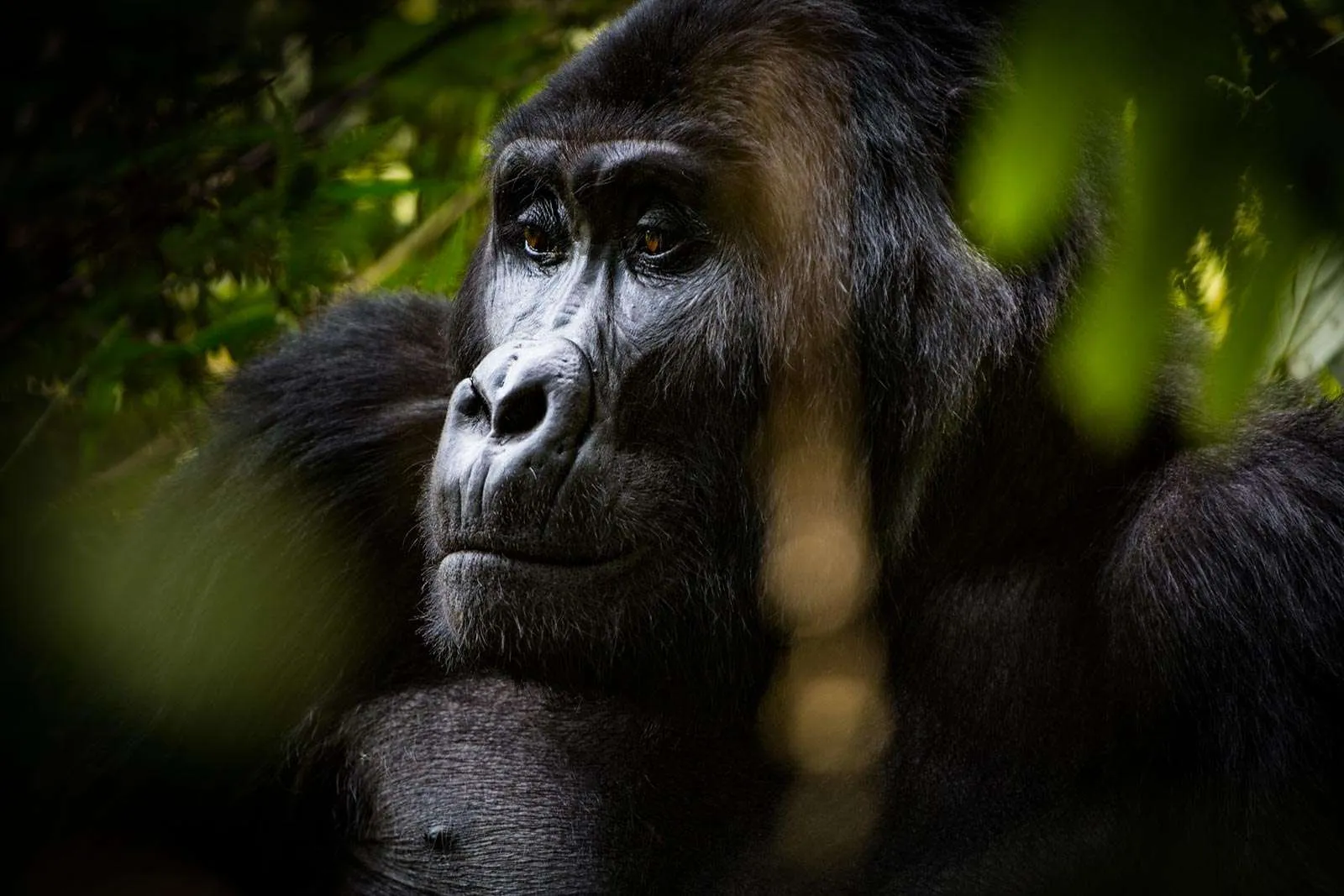
How to Choose
Here’s how I approach the decision.
Assess your fitness. Be honest with yourself. If you’re not fit, choose a family with easier access. The altitude and terrain are real challenges. I’ve been on treks that felt like a gentle walk, and I’ve been on treks that felt like a marathon. Both were rewarding, but I was glad I’d prepared.
Consider the experience you want. If you’re a photographer, a quiet, visible family is ideal. If you’re interested in behavior, a large family with multiple silverbacks offers more to observe. If you want a peaceful, intimate experience, a small, calm family is a good choice.
Listen to your guide. The guide will know the families, their personalities, and the conditions on any given day. Trust their advice—they’ll choose the family that’s most likely to give you an excellent experience.
Thought
There’s no single “best” gorilla family in Rwanda. Each offers something different—a different personality, a different landscape, a different experience.
Ultimately, the best family is the one you connect with. The one that makes you feel, if only for an hour, that you’ve stepped into something sacred.
Every family is extraordinary. Every family is a privilege to visit. And every family will stay with you forever.