


Rwanda Genocide Memorial Kigali: Visiting Respectfully
The first time I visited the Kigali Genocide Memorial, I thought I was prepared. I’d read about it. I’d watched documentaries. I’d spoken to people who’d been. I knew it would be emotional. I knew it would be heavy. I thought I was ready.
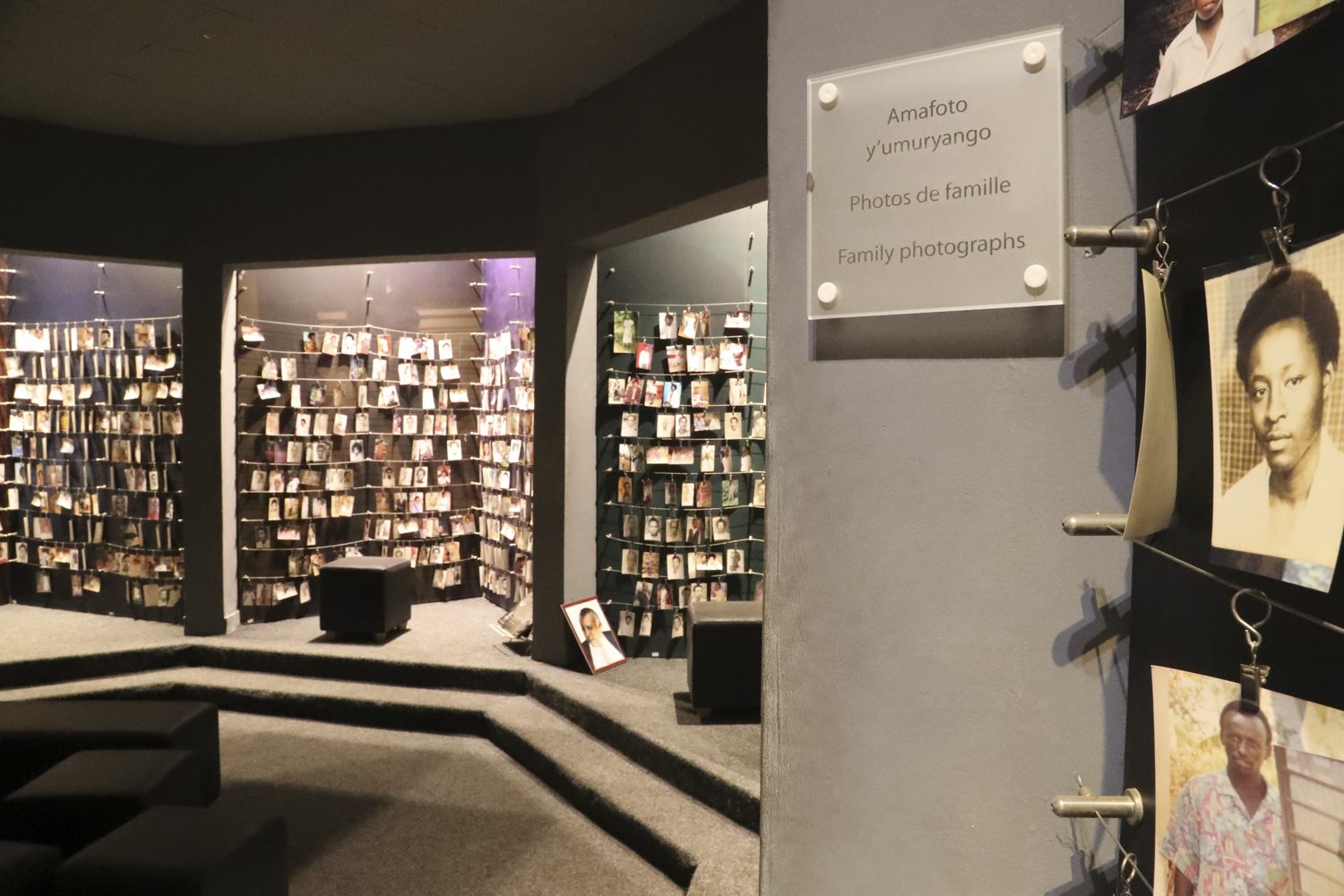
I wasn’t. Within the first room, I was struggling to breathe. The photographs of children. The displays of clothing and personal belongings. The testimonies of survivors that played on loop in the background. The skulls in the final room.
I sat down on a bench in the garden afterward, staring at nothing, trying to process what I’d just seen. A staff member brought me a glass of water. She didn’t say anything. She just sat with me for a while.
That was years ago. I’ve been back several times since, and every time, I leave with the same feeling. Heavy. Grateful. Changed.
The memorial is not a tourist attraction. It’s not something you check off a list. It’s a place of remembrance, reflection, and learning. And visiting it requires a different kind of preparation than a safari or a hike.
Here’s what I’ve learned about visiting respectfully.
Why This Place Matters
The Kigali Genocide Memorial is the final resting place for more than 250,000 victims of the 1994 genocide against the Tutsi. It’s one of several memorial sites in Rwanda, but it’s the most significant. It tells the story of what happened, why it happened, and how Rwanda has worked to rebuild.
It’s also a place of education. The exhibits explain the colonial roots of ethnic division in Rwanda, the events leading up to the genocide, the genocide itself, and the aftermath. They don’t sugarcoat anything. They don’t look away.
The memorial is a UNESCO World Heritage site. It’s considered one of the most important memorials in the world. And it’s a place where visitors from all over the globe come to understand what happened in 1994 and what it means for humanity.
Before You Go
Read about it. The memorial has an extensive website with information about the history, the exhibits, and the stories of survivors. Reading it beforehand will help you understand what you’re about to see.
Prepare emotionally. This isn’t a museum in the traditional sense. There are no interactive displays. No gift shop at the end. You’ll see photographs of children and read about their lives and deaths. You’ll see personal belongings of victims. You’ll hear survivor testimony.
Leave enough time. The memorial is larger than you might expect. There are three main exhibit rooms, a library, a children’s memorial, and a garden. Plan to spend at least two hours, maybe three. Don’t rush through it. There’s no reward for speed.
Don’t go right before a flight. The memorial is emotionally draining. You’ll need time to process after. Don’t schedule it before something important.
What to Wear
Rwanda is a conservative country, and the memorial is a sacred place. Dress respectfully.
For both men and women, this means covering shoulders and knees. No tank tops or short shorts. No revealing clothing. It’s not a beach.
Wear comfortable shoes. You’ll be doing a lot of walking. The exhibits are spread out, and the garden is large.
Dark colors are appropriate. You don’t need to dress in mourning, but bright, flashy clothing feels out of place.
What to Bring
A notebook and pen. You might want to take notes. You might want to write down your thoughts afterward. I’ve filled pages in my journal after every visit.
A camera? No. Not inside the exhibits. Photography is strictly forbidden in the memorial. It’s disrespectful to take photos of the remains or the personal belongings. Outside, in the garden, photography is allowed but be respectful.
A water bottle. There’s a café at the memorial, but you’ll want to stay hydrated. The emotional exhaustion can dehydrate you.
Tissues. You’ll probably cry. That’s okay. There are tissues available, but it’s better to bring your own.
No large bags. The security is thorough. Don’t bring anything that might cause delays.
What to Do Inside
Start with the audioguide. It’s included in the entry fee and provides context for each room. The narratives are careful, detailed, and heart-wrenching. It helps to hear survivor testimony as you walk through the exhibits.
Go slowly. Don’t rush through the rooms. There’s a lot of information, and it’s emotionally dense. Take your time. Read the panels. Watch the videos. Look at the photographs.
Read the children’s memorial. This is the hardest part for me. The children’s memorial is a room dedicated to the children who died. Photographs of them with their names, ages, and descriptions of their personalities. Each one is a reminder of a life cut short.
Go to the garden afterward. The memorial gardens are a place for reflection. There’s a bench where you can sit and process. I always spend at least fifteen minutes there before leaving.
Visit the bookshop. There’s a small bookshop at the memorial. It’s not a souvenir shop. It sells books about the genocide, reconciliation, and Rwandan history. Buying one supports the memorial’s work.
What Not to Do
Don’t take photos inside. I’ve said this already, but it’s important. Don’t take photos of the remains, the belongings, or the memorial itself. These are not tourist attractions. They’re sacred.
Don’t treat it as an Instagram opportunity. This should go without saying, but I’ve seen people taking selfies outside the memorial. Don’t do that. You’re standing on the grave of 250,000 people. Be respectful.
Don’t joke or laugh. The memorial is a place of somber reflection. Keep conversations quiet and respectful.
Don’t touch anything. The exhibits are fragile. The remains are real. Respect the physical space.
Don’t compare. This isn’t a competition. The genocide is not comparable to other historical tragedies. Listen, learn, and reflect.
What to Say
If you’re visiting with a local guide or a survivor, be respectful in your questions.
Don’t ask about personal details. Don’t ask for trauma narratives. Don’t ask “what was it like?” unless they’ve offered to share.
The memorial is a place where survivors come to remember and heal. They’re not there to perform for tourists. If you have questions, ask them respectfully and be prepared for silence.
How to Process Afterward
The memorial can leave you shaken. That’s normal. It’s supposed to.
Here’s what I’ve found helpful after visiting.
Take time to sit. Find a bench. Stay there for a while. Don’t rush to the next activity. Just sit and breathe.
Write in your journal. Get your thoughts down on paper. The memorial experience is easier to process when you’ve written about it.
Talk to someone. Share what you’ve seen and how you feel. You don’t have to talk to a therapist, but sharing with a travel companion or a local guide can help.
Visit the hospital. The memorial has a partnership with a local hospital. They often have opportunities to donate to or visit community projects. Participating can help turn your feelings into action.
Don’t go out partying afterward. Some people visit the memorial in the morning and then go to a bar in the evening. That feels wrong to me. The memorial deserves more than that.
Why I Keep Going Back
I’ve been to the Kigali Genocide Memorial several times, and I keep returning.
Not because I’m a glutton for punishment. Because it reminds me of something important. The fragility of peace. The depth of human cruelty. The possibility of forgiveness. The power of resilience.
It changes you. Every time.
I’m not Rwandan. I didn’t live through the genocide. But the memorial has helped me understand the country better. Not just its past, but its present—the determination, the reconciliation, the sense of purpose that drives Rwanda forward.
It also reminds me that my travel privileges come with responsibilities. I can visit places like this. I can learn from them. And I can carry that learning back to my own life.
Thought
Visiting the Kigali Genocide Memorial is not a pleasant experience. It’s not something you do for fun. It’s hard. It’s heavy. It stays with you.
But it’s also important. The memorial is a testament to the resilience of the Rwandan people. To their commitment to reconciliation and rebuilding. To their determination to never let something like this happen again.
The memorial’s motto is “Never Again.” It’s not just a slogan. It’s a commitment.
You can help honor that commitment by visiting respectfully, by learning, by carrying the stories with you, and by returning to your own life with a deeper understanding of what it means to be human.