


Nyerere National Park (Former Selous): What the Renaming Means for Visitors
Selous Has a New Name.
When I first heard they’d renamed Selous, I’ll be straight with you—I panicked.
You know that feeling when you hear your favorite song has been covered, and you’re terrified they ruined it? That was me. I thought, Oh no. Did they pave the roads? Put up a Starbucks? Turn it into some fancy, fenced-in zoo?
So if that thought crossed your mind too, I completely get it.
The Elephants Didn’t Get the Memo
I promise you, the elephants don’t care what we call this place.
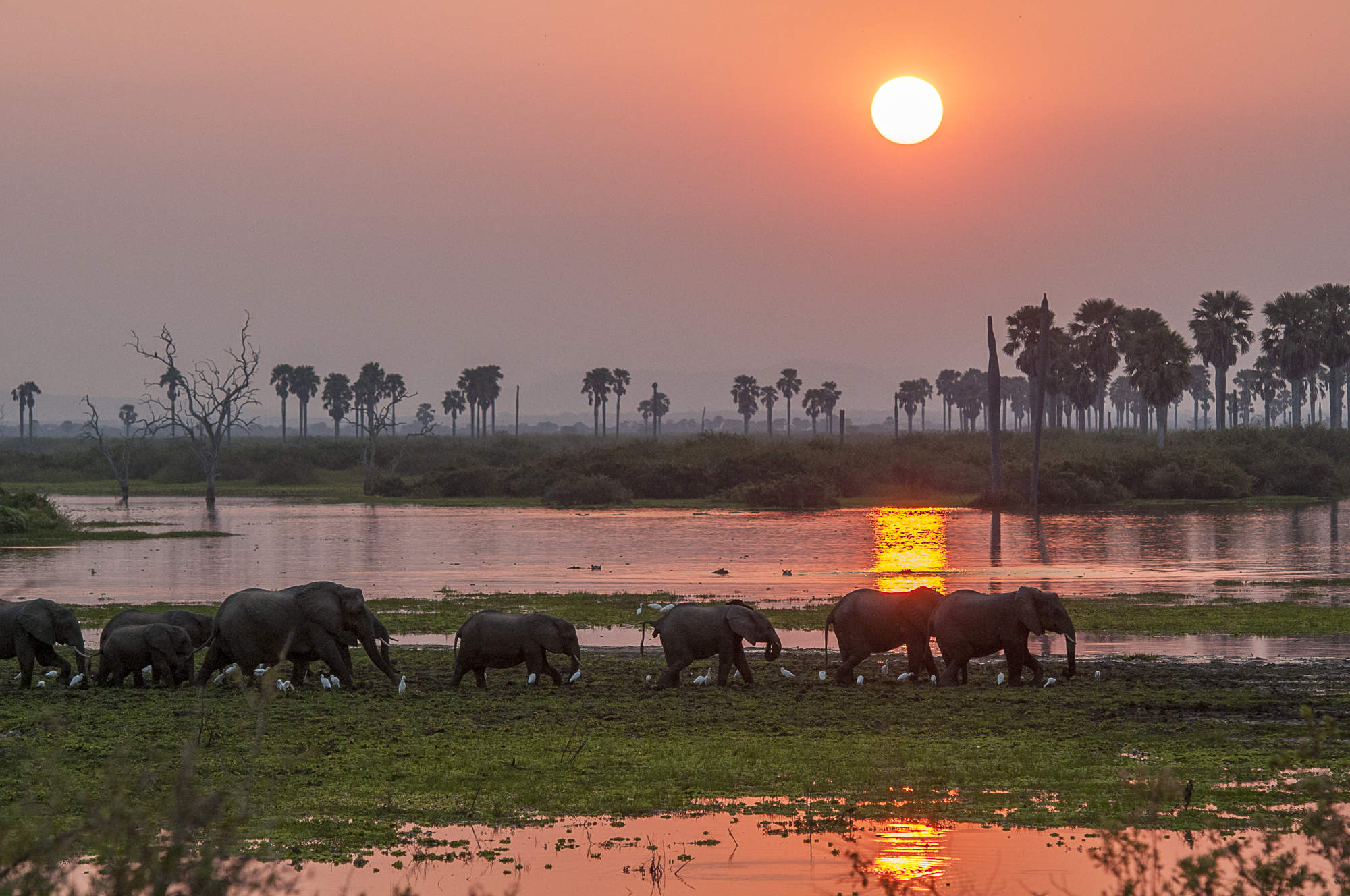
They’re still out there, kicking up clouds of that famous red dust, flapping their ears like giant gray sails, leading their babies down to the Rufiji River for their evening bath. The lions are still sprawled out under trees like they pay the rent. The hippos still surface with that grumpy snort at sunset, glaring at your boat like you’ve interrupted their dinner.
If you visited years ago, and you come back today, that same lump will form in your throat when you see your first elephant herd.
I can almost guarantee it.
What Actually Happened
Okay, so here’s the backstory without all the official government jargon.
Way back in 1922, this massive chunk of wilderness was named after a British guy named Frederick Selous. He was a hunter and explorer. For nearly a hundred years, that name stuck. But in 2019, Tanzania decided to do something pretty bold. They split off the northern part—about 31,000 square kilometers, which is enormous—and turned it into a proper national park. They named it after Julius Nyerere.
Now, if you don’t know who Nyerere is, let me introduce you. He was Tanzania’s first president. But more than that, he was a man who truly, deeply believed that this land—all this wild, breathtaking land—didn’t belong to the rich, or to foreigners, or to the government. It belonged to everyone. To your kids, my kids, our grandkids.
He was the guy who said, “This is our heritage. Let’s not blow it.”
So when they put his name on this park, it wasn’t about erasing Selous. It was more like saying, “Hey, this place exists because of what this man stood for.”
To me, that’s pretty beautiful.
Does It Feel Different When You Get There?
Honestly? Not at all.
The dirt roads are still bumpy. The camps still have that wonderful, canvas-flapping-in-the-wind charm. Your guide will still stop the jeep, cut the engine, and just let you listen—to the silence, to the birds, to the distant rumble of thunder over the hills.
And the crowds? What crowds?
If you’ve ever been to the Serengeti during peak season, you know how it is. You spot a lion, and suddenly there’s a traffic jam of fifteen jeeps, all jostling for the perfect photo.
Not here.
Here, you might drive for hours and see nothing but tracks in the dust. And then, out of nowhere, you round a corner and there’s a bull elephant, standing shoulder-deep in a lagoon, spraying water over his back like he’s in his own private spa.
And you’ll have him all to yourselves.
The Rufiji River Will Steal Your Heart
I’m not being dramatic when I say the Rufiji is the soul of this park.
It’s not just a river. It’s a whole world. It splits into lazy channels, spills into shimmering lakes, and disappears into swamps where you’ll swear you’ve stepped back in time.
One of my favorite memories?
Gliding along in a little boat at golden hour. The water was like glass. A family of hippos watched us with those sleepy, suspicious eyes. A crocodile slid off a bank so quietly it felt like a ghost. And overhead, the sky turned orange and purple, and you could hear the birds settling in for the night.
I remember thinking, “This is it. This is the Africa I dreamed about as a kid.”
If you do nothing else, do a boat safari here. I’m telling you, it’s pure magic.
About the Wildlife (Because That’s Why We’re All Here, Right?)
Let’s talk about who you’ll meet.
-
Elephants. And I mean big families. Matriarchs who’ve been leading their clans for decades, their tusks worn smooth with age.
-
Buffalo. Moody, massive, and magnificent. They’ll stare you down because you owe them money.
-
Cats. Lions lounging, leopards lurking in the riverine forests, hyenas with that creepy, laughing call that sends shivers down your spine at night.
-
And birds. Over 440 species. So if you’re into birds, bring your binoculars and prepare to lose your mind.
But here’s the thing: because this park is so vast, the animals have room to just be. They’re not jammed in. They’re not stressed. They’re just living their lives, and you’re lucky enough to get a front-row seat.
Why This New “National Park” Label Actually Matters
Here’s something most people don’t think about.
Being a national park isn’t just a fancy title. It comes with real, tangible stuff. Better funding. More rangers on the ground. Stricter anti-poaching patrols. Even improved roads and facilities mean you get to enjoy the wilderness without having to rough it too much.
And the money you spend on your safari? It goes right back into protecting this place.
So when you visit, you’re not just a tourist snapping photos. You’re actually helping keep this wild heart beating.
That always makes me feel a little warmer inside.
When Should You Go?
June to October is the dry season—and it’s popular for a reason. The bush thins out, the animals gather around water sources, and every day feels like a postcard.
But between you and me? I have a soft spot for the green season (November to May).
The landscape turns into this lush, vibrant paradise. Baby animals are everywhere—wobbly-legged zebras, tiny warthogs charging around like little bulldozers. Migratory birds arrive in droves. And the crowds? Even thinner. Plus, the lodges are usually cheaper.
It’s a secret I don’t always share. But hey, you asked.
Where You’ll Stay
There’s something for every kind of traveler here.
Maybe you’re the type who wants a simple tented camp, where you fall asleep to the sound of hyenas whooping in the distance and wake up to the smell of campfire coffee.
Or maybe you want the full luxury experience—a lodge with a plunge pool overlooking the river, cold gin and tonics at sunset, crisp white linens that somehow stay crisp in the middle of the bush.
Both are wonderful. Both feel like home after a long day of adventure.
Let’s Be Real: It’s Not All Perfect
I won’t sugarcoat it. Like every wild place on this planet, Nyerere has its struggles. Poaching still happens. Climate change is real. There’s pressure from communities on the edges who are just trying to survive.
But here’s the hopeful part: tourism helps.
Every single visitor who comes here, every single booking, every single dollar spent—it all adds up. It funds the rangers, the community projects, and the education programs.
So when you come, you’re not just a visitor. You’re part of the solution. And that’s a pretty good feeling.
Should the Name Change Bother You?
Let me ask you something.
When you’re standing on that dusty road, watching the sun dip below the horizon, painting the sky in shades of fire and gold—are you really going to care what the park is called?
The elephants won’t. The lions won’t. The river will keep flowing, oblivious to human labels.
What matters isn’t the name on the map. What matters is that you’re there. That you leaped. That you got to feel the raw, untamed, heart-stopping beauty of this place with your own eyes.
Whether you call it Selous or Nyerere or just “that incredible place I’ve been dreaming about”—it’s still there. Waiting. Wild as ever.
And honestly? It misses you.
If this story made you smile, if it made your heart ache a little with that travel itch—then maybe it’s time to stop dreaming and start planning.
Pack your bags. Charge your camera. Leave your worries behind.
Nyerere National Park is waiting to welcome you, name and all.