


Ngorongoro Crater Safari: The Complete Guide
The Ngorongoro Crater is one of Africa’s most concentrated wildlife environments, a self-contained ecosystem formed by the collapse of a massive volcano millions of years ago. Located within the Ngorongoro Conservation Area, it functions as a natural enclosure where wildlife remains year-round, supported by permanent water sources, fertile grazing, and protective crater walls.
Unlike open savannah parks such as the Serengeti National Park, where wildlife migrates over vast distances, the crater offers a more predictable and dense safari experience. It is one of the few places in East Africa where you can realistically encounter the Big Five in a single day under the right conditions.
This guide breaks down how the crater works, what you will see, how to structure your visit, and how to approach it strategically rather than as a rushed checklist stop.
Understanding the Ngorongoro Crater Ecosystem
Geological Formation and Structure
The crater is the result of a volcanic collapse, creating a vast caldera approximately 19 kilometers in diameter with steep walls rising over 600 meters.
This natural enclosure creates a semi-isolated ecosystem where animals remain largely within the crater floor rather than migrating long distances.
The result is a high-density wildlife environment supported by year-round water and nutrient-rich grasslands.
Habitat Diversity Within a Confined Space
Despite its contained structure, the crater hosts multiple habitats:
Open grasslands for grazing herbivores
Acacia woodlands supporting elephants and birds
Swamps and wetlands attracting hippos and water-dependent species
A soda lake that draws flamingos and other birdlife
This diversity allows for a wide range of species within a relatively small area.
Wildlife You Can Expect in the Crater
Big Five Potential in a Single Game Drive
The Ngorongoro Crater is one of the best locations in Africa for encountering the Big Five.
Lions are frequently seen due to a stable resident population. Buffalo are widespread across the crater floor. Elephants, particularly older bulls, are often found in forested sections.
Leopards are present but elusive, typically found in woodland areas rather than open plains.
Rhinoceros are the rarest of the five but are one of the key highlights of the crater. It is one of the few places in Tanzania where black rhinos can still be seen in the wild.
Predator Dynamics
The crater supports a strong predator population, including lions, hyenas, and occasionally cheetahs.
Because prey species are abundant and movement is limited by geography, predator-prey interactions are relatively frequent compared to larger ecosystems.
This makes the crater particularly attractive for travelers focused on wildlife behavior rather than just sightings.
Herbivores and Grazers
Large herds of wildebeest, zebra, and gazelles dominate the crater floor.
These species form the ecological foundation of the crater, supporting predator populations and maintaining grazing cycles.
Hippos are found in permanent water bodies, often in large groups.
How a Typical Crater Safari Works
Early Descent Strategy
Most safaris into the crater begin early in the morning with a descent from the crater rim.
Early entry is critical because wildlife activity is highest during cooler hours, and vehicle traffic increases later in the day.
Descending early improves both sighting quality and overall experience.
Time Allocation on the Crater Floor
Game drives typically last 5 to 6 hours on the crater floor.
This allows enough time to cover multiple habitats and track wildlife movement across the ecosystem.
Because the area is relatively compact, you can see a wide range of species within a single drive.
Ascent and Exit
After the game drive, vehicles ascend back to the crater rim.
This transition marks a clear shift from dense wildlife viewing to broader landscape perspectives.
Best Time to Visit the Ngorongoro Crater
Year-Round Accessibility
Unlike migratory systems, the crater offers consistent wildlife viewing throughout the year.
Because water is permanent, animals do not leave the area seasonally.
Seasonal Subtleties
Dry seasons provide clearer visibility and easier driving conditions.
Wet seasons bring greener landscapes and fewer tourists but can introduce muddy tracks and reduced visibility in some areas.
However, the crater remains productive regardless of season.
Where to Stay for a Crater Safari
Lodges on the Crater Rim
Staying on the crater rim provides immediate access for early morning descents.
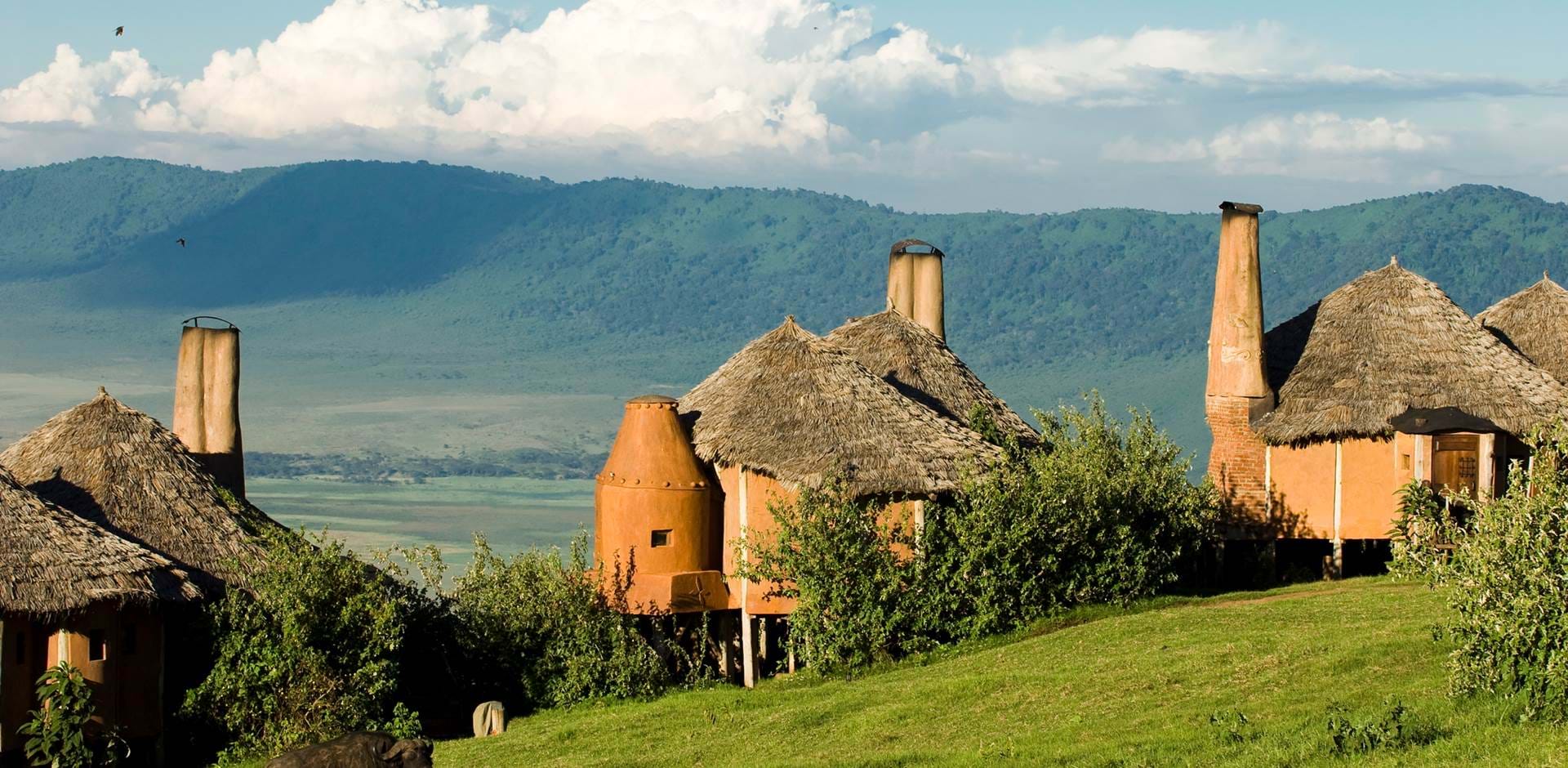
Properties here offer dramatic views overlooking the caldera and reduce travel time into the crater.
Lodges in Karatu
Karatu, located outside the conservation area, offers a range of accommodation options.
Staying here can reduce costs but increases travel time to the crater, which may affect early entry.
Cost Structure and Park Fees
Conservation Area Fees
The Ngorongoro Conservation Area has one of the highest fee structures in Tanzania.
This includes conservation fees, vehicle entry fees, and crater descent fees.
These costs contribute to conservation management and infrastructure within the area.
Value Consideration
While the cost is high, the density of wildlife and the probability of high-quality sightings make the crater a high-return safari investment.
How Ngorongoro Compares to Serengeti
Density vs Scale
Ngorongoro offers high wildlife density in a confined space.
Serengeti offers vast landscapes with migratory systems and lower density per unit area.
Predictability vs Movement
The crater provides predictable sightings due to its enclosed nature.
Serengeti requires tracking migratory patterns and seasonal timing.
Experience Type
Ngorongoro is intense and concentrated.
Serengeti is expansive and exploratory.
Both complement each other when combined in a longer itinerary.
Practical Considerations for a Crater Safari
Vehicle Traffic
Due to its popularity, the crater can experience high vehicle density, especially during peak hours.
This is another reason early descent is critical.
Weather and Conditions
The crater floor can become muddy during rains, affecting vehicle movement.
Temperatures on the rim are cooler than the floor due to elevation.
Physical Effort
Unlike gorilla trekking in Bwindi Impenetrable National Park, crater safaris are vehicle-based and require minimal physical exertion.
Structuring a Ngorongoro Safari Within a Larger Itinerary
The crater is often combined with:
Serengeti National Park for migration and large-scale wildlife movement
Tarangire National Park for elephant concentrations and baobab landscapes
This creates a multi-park itinerary that balances density, scale, and ecosystem diversity.
Ngorongoro Crater Experience
In practical terms, the Ngorongoro Crater is one of the most efficient wildlife viewing environments in Africa.
It compresses a wide range of species into a manageable space, allowing for high-impact game drives within a short timeframe.
However, it is not a wilderness in the same sense as larger parks. Its contained nature and popularity mean that it operates more like a high-yield wildlife arena than an open, exploratory ecosystem.
Understanding this distinction allows travelers to approach the crater strategically—maximizing its strengths while complementing it with broader safari landscapes elsewhere.