


Ngorongoro Crater Floor vs Rim: Where Should You Stay?
Let’s be honest—planning a Tanzania safari is equal parts thrilling and overwhelming. And one of the first big decisions you’ll hit? Whether to book a lodge perched on the edge of the Ngorongoro Crater, or somewhere lower down, closer to the ground.
It sounds like a simple question. But trust me—it changes everything.
Your morning coffee view. The temperature outside your tent. How early do you have to drag yourself out of bed? Even the stories you’ll tell when you get back home.
So let’s cut through the confusion. Here’s what it actually feels like to stay in each spot—and how to pick the one that’s right for you.
First, a little context (because it helps)
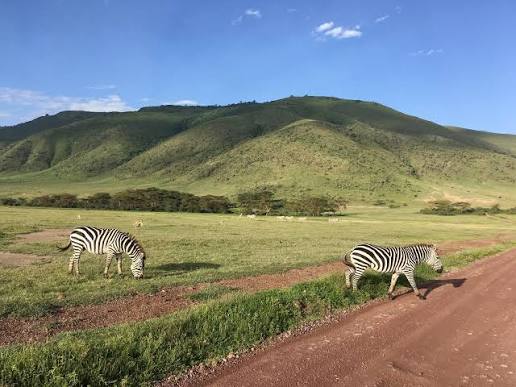
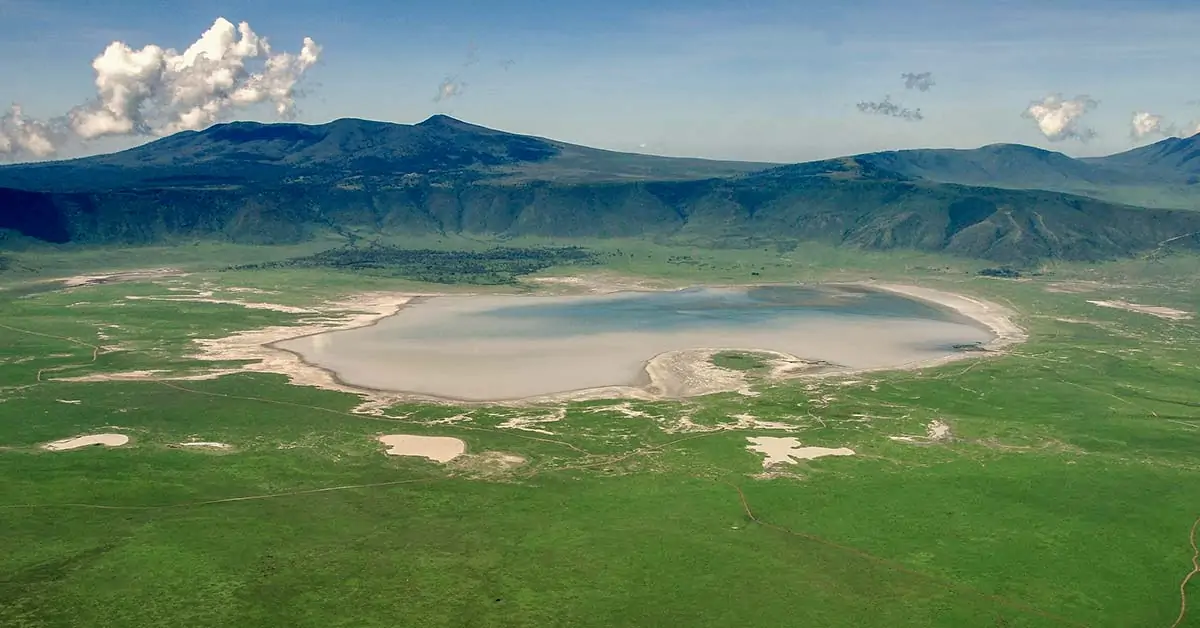
The Ngorongoro Crater is absolutely mind-blowing. It’s the largest intact volcanic caldera on Earth—picture a giant bowl, 19 kilometers across, with walls shooting up over 600 meters. Inside? It’s like Noah’s Ark decided to settle down. Lions, elephants, buffalo, zebras, hippos, hyenas, and—if you’re really lucky—the elusive black rhino.
But here’s the twist no one tells you upfront: you literally cannot stay on the crater floor. The park protects it fiercely, which is great for the animals, but it means all the lodges are either up on the rim or scattered around the lower areas outside the conservation zone.
Imagine standing on the edge of a giant natural bowl, so vast it feels like its own world. That’s the Ngorongoro Crater—the largest intact volcanic caldera on Earth, stretching about 19 kilometres across, with towering walls that rise over 600 metres above the floor below. Step inside, and you’re not just visiting a park—you’re stepping into a wildlife haven like no other.
Lions laze in the grass, elephants wander in small herds, zebras and wildebeests graze side by side, while hippos wallow in the wetlands. Hyenas cackle in the distance, jackals skulk about, and if you’re lucky, you might just spot one of Tanzania’s best-kept secrets: the endangered black rhino, quietly surviving in this ancient sanctuary.
What makes it even more special? The animals don’t really leave. The crater walls keep them close, so no matter what time of year you visit, the show is always on. There’s no “bad season” here—just different shades of awe.
So your real choice is: Do you want to look down into the crater, or look up at its walls?
Staying on the Rim: Honestly? It’s pure magic
Picture this: You wake up before sunrise, shuffle out onto your balcony in your fleece pajamas, and watch the mist burn off the crater floor below you. The first rays of sun hit the caldera, and it feels like the whole world is waking up just for you.
That’s the rim experience. And it’s spectacular.
The lodges up here know exactly what they’re selling—and it works. You get sweeping panoramic views, cosy fireplaces, gourmet dinners with a side of jaw-dropping sunsets, and that crisp, cool highland air that makes you sleep like a baby.
The best part? You’re just a short drive from the descent road. That means you can be down on the crater floor with the wildlife before the crowds roll in. Early morning is when the predators are still active, the light is soft and golden, and the whole place feels like it belongs just to you.
The catch? It’s not cheap. Those views come with a price tag. But if you’re celebrating something special—an anniversary, a milestone, or just surviving another year—it’s the kind of splurge you’ll never regret.
Oh, and pack warm clothes. Even in summer, mornings up there can be biting. We’re talking below 10°C in June. But honestly? Wrapped in a blanket with a hot coffee in hand, watching the sunrise over the crater? Worth every shiver.
Staying Lower Down: For the wild-at-heart
Now, if you choose to stay down below—maybe in a tented camp or a lodge in Karatu—you’re in for a completely different vibe.
It’s warmer. The air smells like dry earth and acacia. You’re not looking down at the crater; you’re looking up at its towering walls, feeling small in the best possible way.
And the nights? Pure magic. You sit around a crackling campfire, the sky absolutely drenched in stars, and you listen. Maybe it’s a hyena calling in the distance. Maybe it’s the rustle of something big passing through the bush. It feels raw, real, and alive.
The best part? It’s usually more affordable. You can often get a much better deal, which means you might stretch your budget to add another park—like Tarangire or the Serengeti—to your itinerary. Also, you’re more immersed. Wildlife sometimes wanders right past the camp, which is both thrilling and humbling.
The catch? You’ll need to wake up earlier. Depending on where you’re staying, you could be looking at an extra 30 to 60 minutes of driving just to get to the crater entrance. If you’re only spending one day in Ngorongoro, that lost time stings a little.
But wait—does this affect the animals you see?
Nope. Not one bit.
Once you’re inside the crater, everyone follows the same roads. Your guide’s skill and a little bit of luck determine what you see—not where you slept. The lions don’t care if you’re staying at a five-star lodge or a budget camp. They’re just out there living their best lives.
So don’t stress about missing out on wildlife because of your accommodation. You won’t.
So… which one should you choose?
Look, there’s no “right” answer. It’s about what kind of traveller you are.
Go for the rim if…
-
You want those iconic, postcard-perfect views
-
You don’t mind spending a bit more for luxury and convenience
-
You’re a photographer who wants to catch the golden morning light
-
You love the idea of curling up by a fireplace after a long day of safari
Go lower down if…
-
You’re watching your budget but still want an incredible experience
-
You crave authenticity—campfires, starry skies, the sounds of the bush
-
You don’t mind an early wake-up call to save some cash
-
You want to feel inside the wild, not above it
Honestly? Ngorongoro is one of those places that sticks with you. Whether you watch the sunrise from a luxury balcony or listen to the bush come alive from a tent, you’re still going to spend your day driving through one of the most incredible wildlife sanctuaries on the planet.
So pick the stay that feels right for your heart—and your wallet. Then get ready. Because that first glimpse of the crater floor, teeming with elephants and zebras and flamingos? That moment will take your breath away, no matter where you slept.
Where you stay can really set the tone for your whole safari—it’s the first thing you see in the morning and the last before you drift off at night. Maybe you’ll wake up perched on the crater’s edge, with endless views that stretch all the way to the horizon. Or perhaps you’ll find yourself tucked away in a quiet bush camp, where the sounds of the wild are your lullaby. Either way, the real magic of Ngorongoro is always waiting for you.
The trick is finding a place that feels right for you—one that fits your budget, matches your vibe, and doesn’t ask you to compromise on the experience you’re after. When that falls into place, your Ngorongoro adventure stops being just a trip—and starts feeling like it was made just for you.