


Mombasa Old Town: Walking Guide to Swahili Heritage
Mombasa Old Town is a cool place to visit. When you walk in, you can smell the salt in the air. Hear the sound of people building boats near the harbor. This is what Mombasa Old Town is like. If you want to see Mombasa Old Town, you need to walk around it slowly and look at all the little details.
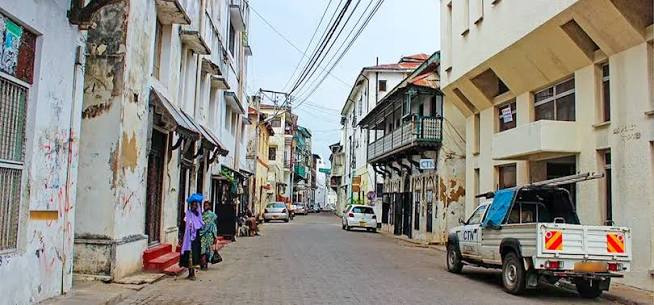
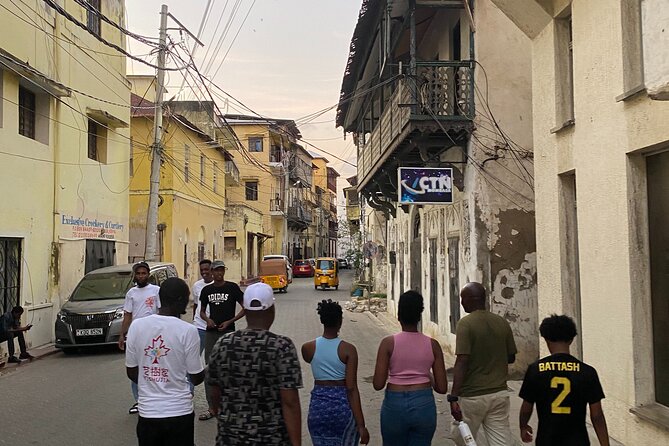
Mombasa Old Town is on the tip of Mombasa Island. It is near Fort Jesus and the old harbor. A long time ago, people from different places like Swahili, Arab, Persian, Indian, and Portuguese came to live here. You can still see their influence in the buildings today. Wooden balconies hang over the narrow streets. There are also doors with carvings that are over a hundred years old. These doors are the entrances to homes that have been passed down through generations of families.
You should start your walk at Fort Jesus.
It was built by the Portuguese in 1593 to protect the harbor. Over the years, the fort has been controlled by groups of people including the Portuguese, the Omani Arabs, and the British. Each group has left its mark on the fort. You should give yourself 45 minutes to look around the fort. There is a museum inside that has ceramics, cannons, and stones that you can touch.
It costs around 1,200 shillings to get into the fort if you are a foreign visitor. It is cheaper if you are from East Africa. You should go to the fort early in the morning around 8 a.m. when it opens. This way you can avoid the heat and the big groups of tourists that come later.
From the fort you can walk into the streets of Mombasa Old Town. This is where the real walking starts. You will see old buildings and narrow streets.
Ndia Kuu Street and the Old Trading Routes
There is a street called Ndia Kuu Street. It means ” road” in Swahili. A long time ago, it was the main street where people traded goods. You should walk slowly on this street. Look at all the old buildings. You will see doors with brass studs and carvings. Some of these doors took craftsmen over a year to make.
As you walk, look up. See the old balconies. These balconies are called barazas. A long time ago, families would sit on these balconies and watch the street below. Some families still do this today.
If you walk down Ndia Kuu Street, you will come to a square. A long time ago, this square was where spice traders would weigh spices like cloves, cardamom, and cinnamon. These spices were sent to places like Oman and India. Mombasa Old Town was a busy place for spice trading.
Mombasa Old Town: Walking Guide to Swahili Heritage Through the Old Streets
When you walk around Mombasa Old Town, you should also look at the alleys. These alleys are where you can see the details that most visitors miss. You will see the coral rag construction close. This is a type of building material that was used to build homes. It is made from limestone and lime plaster. It helps keep the homes cool in the weather.
You will also see shrines and prayer niches in the walls. Many people in Mombasa Old Town are Muslims. You will hear the call to prayer five times a day. There is an old mosque called the Mandhry Mosque. It was built in 1570. Is still used today. You can look at the outside of the mosque. Only Muslims can go inside.
You should plan to spend around two to three hours walking around Mombasa Old Town. You should bring some cash with you because many shop owners sell handmade goods like kikoi fabric, wooden boxes, and silver jewelry. They do not always have change for notes. A good kikoi fabric can cost between 800 and 1,500 shillings. You can bargain the price. Be friendly and do not be too aggressive.
Mombasa Old Town: Walking Guide to Swahili Heritage Stops You Shouldn’t Miss
Mombasa Old Town is a place to walk around. There are some stops that you should spend time at. The Old Harbour is one of them. This is where you can see wooden boats coming back from fishing trips or short trips to Lamu and Zanzibar. If you go there around 4pm, you will see fishermen taking out the fish they caught and putting it on the dock.
The Jain Temple is another place you should visit. It is near the edge of Old Town. This temple is very different from the buildings around it. It was built by the Indian people in the early 20th century. You can see the stone carvings and bright colors. This shows how many different cultures have been a part of this peninsula.
You should. Eat at one of the small local restaurants near Government Square. You can get a plate of biryani with grilled fish for around 400 to 600 shillings. This is where the local people who work on the dock and own shops eat. If you go in the morning, you should try mahamri, which is a fried bread, with a cup of spiced Swahili tea.
Practical Tips for Walking Mombasa Old Town
You should wear shoes that cover your feet. The streets are not even. Some of the passages are very narrow. You should also bring water because there is no shade and it can get very hot. Mombasa is near the ocean. It can feel very humid.
You should dress in a way that shows respect for the people who live there the women. Mombasa Old Town is a neighborhood where people live, not a place for tourists to visit. If you cover your shoulders and knees, the local people will be more welcoming.
It is a good idea to hire a local guide. They can show you things that you would not notice on your own. A guide can point out which doors belong to families that have been connected to the trade or which building was used for customs. You can find a guide at Fort Jesus. Ask your hotel to help you. It costs around 1,500 to 2,500 shillings for a two-hour walk.
You should visit Mombasa Old Town between June and October. The weather is cooler and drier, which makes it easier to walk
Why You Should Take Your Time in Mombasa Old Town
Mombasa Old Town is a place that rewards patience. If you rush through it, you will only see buildings and narrow streets.. If you take your time, you will see the small things that make this place special. You might see a woman selling food from a basket on her head or children playing football in a square. You might see a man fixing a sail exactly the way his father taught him.
Mombasa Old Town has been around for a long time, and it is still a living community. It has survived things, including attacks from other countries and modern development. This is rare in this part of the coast. It is worth seeing for yourself.
Whether you spend a few hours or a few days in Mombasa Old Town, it will give you something that most beach vacations do not: a look at the culture and daily life of the people who live there. You should walk slowly, ask questions when people are willing to answer them, and let the streets show you their pace. Mombasa Old Town is a place, and Mombasa Old Town will stay with you.