


Mkomazi National Park: Tanzania’s Rhino Sanctuary You Forgot About
You know that feeling when you discover a song nobody else knows about, and it’s so good you almost want to keep it a secret? That’s Mkomazi for me.
Everyone talks about the Serengeti. And don’t get me wrong—it’s incredible. It deserves the hype. But Tanzania has this other park, tucked away up north, that hardly anyone mentions. And honestly? I think that’s part of its magic.
Mkomazi isn’t trying to impress you with crowds or fancy lodges or jeeps lined up at every watering hole. It doesn’t need to. It just sits there, quiet and proud, doing something far more important: saving lives. Rhino lives. Wild dog lives. And when you visit, you feel like you’ve stumbled into something sacred.
I remember the first time I heard about it. Someone casually said, “Oh, there’s this rhino sanctuary near the Kenyan border.” And I thought, rhinos? In Tanzania? I had no idea. And I bet you didn’t either.
But here’s the thing—once you know about Mkomazi, you can’t un-know it. It stays with you.
Where Even Is This Place?
If you pull out a map of Tanzania and look way up north, right where the country bumps into Kenya, you’ll find it. Mkomazi sits shoulder-to-shoulder with Kenya’s Tsavo West National Park, which means animals don’t care about borders—they wander freely between the two, as they’ve always done.
The park itself is massive—over 3,200 square kilometers of this raw, untamed Africa that makes your chest feel tight just looking at it. Endless savannah. Acacia trees scattered like confetti. And in the distance, the Pare and Usambara Mountains rise like old, wise grandparents watching over everything.
It’s the kind of landscape that makes you want to roll down the window and just breathe.
A Story That’ll Make You Believe in Second Chances
Mkomazi wasn’t always this peaceful.
Back in 1951, it became a game reserve. But for decades, things were rough. Poaching was brutal. The land suffered. Animals disappeared. There were times when people thought this place might never recover.
And then something shifted.
In 2006, Mkomazi became a national park. And with that change came a wave of hope. Rangers started patrolling day and night. Conservationists poured their hearts into bringing the wildlife back. Local communities joined in. It wasn’t easy—nothing worth doing ever is—but slowly, painfully, beautifully, the park began to heal.
Now? Now it’s home to black rhinos again. African wild dogs. Elephants. Giraffes. Lions. It’s not just a park anymore—it’s a living, breathing success story. And when you stand there, watching a rhino graze just a few meters away, you realize you’re witnessing something that almost didn’t happen.
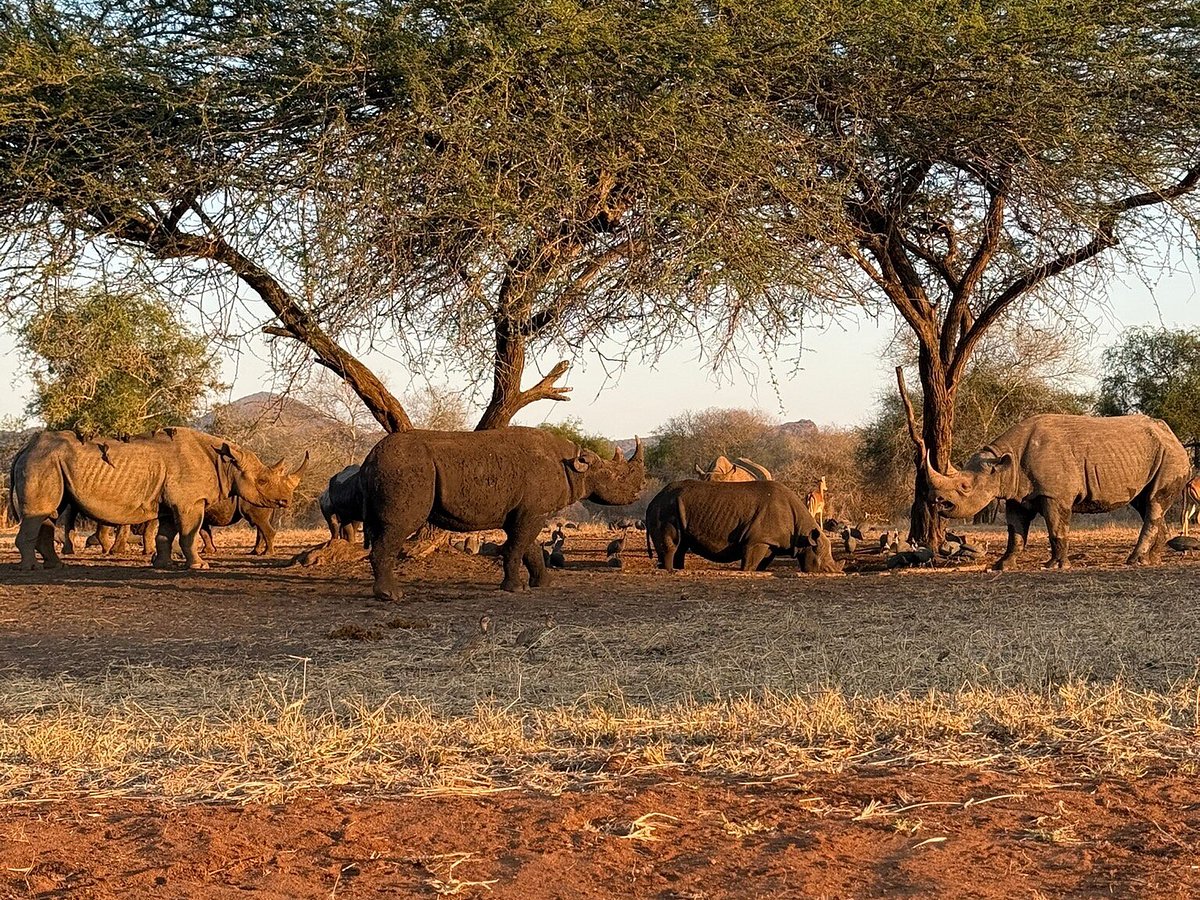
The Rhino Sanctuary: Where You Look a Rhino in the Eye and Forget to Breathe
The rhino sanctuary at Mkomazi isn’t like a zoo. It’s not a show. It’s a safe space, a fortress really, where critically endangered black rhinos can finally exhale. No poachers. No threats. Just space to live, to mate, to raise their babies.
With a ranger, of course. Someone who knows each rhino by name, who’s spent years watching over them. You drive slowly, engine barely humming, and then—there she is. This massive, ancient creature is completely unfazed by you, just doing her rhino thing. Eating. Snorting. Existing.
I remember gripping the jeep’s door handle, heart pounding, not from fear but from sheer awe. She was so close I could see the dust on her skin. Her horn caught the sunlight. She blinked slowly, like she had all the time in the world.
In that moment, I wasn’t thinking about my emails, my deadlines, or anything back home. I was just there. Fully, completely present. And that’s rare these days, isn’t it?
Every visit to that sanctuary pays for the rangers who protect these animals. So when you go, you’re not just watching—you’re helping.
The Wild Dogs Nobody Talks About
African wild dogs are some of the most endangered predators on the planet. They’re also some of the most beautiful. Painted coats. Big round ears. Long legs that seem too graceful for their bodies. They move like a pack of shadows, communicating in clicks and whines, working together like a perfectly choreographed team.
Mkomazi has one of the best wild dog conservation programs in Africa. And getting to see them in the wild? It’s not like watching lions. It’s quieter. More intimate. You sit there, binoculars glued to your face, watching them interact—playful, serious, always watching out for each other.
It makes you realize how much we’ve lost when we let species slip away. And it makes you grateful that people are fighting to keep them here.
The Wildlife—Because Yes, There’s Plenty
Rhinos and wild dogs might be the headliners, but Mkomazi has a full cast of characters.
You’ll see giraffes gliding across the plains like they own the place (they kind of do). Zebras, always in groups, always striped in that hypnotic pattern. Elephants—big, wise, unhurried—lead their families through the bush like they know every inch of it. Buffaloes are giving you that heavy stare that says, “Don’t even think about it.”
And if you’re lucky, you might catch a lion lounging in the shade, a leopard melting into a tree, or a cheetah stretching its impossibly long legs.
It’s not a zoo. You’re not guaranteed anything. And honestly? That’s what makes it so thrilling.
For the Bird Nerds (And Everyone Else)
Even if you’ve never picked up a pair of binoculars in your life, Mkomazi might change that.
Over 450 bird species call this place home. Ostriches are running like they’re late for something. Secretary birds stomping through the grass with that serious, business-like walk. Kori bustards, huge and awkward and wonderful.
You’ll find yourself stopping just to listen. To hear the calls, the whistles, the rustle of wings. It’s like a symphony you didn’t know you were missing.
The Views That Make You Forget to Take Photos
I know, I know—everyone wants the perfect safari photo. But here’s the thing about Mkomazi: sometimes, the view is so stunning, you just lower your camera and stare.
The plains stretch out forever, dotted with baobab trees that look like they’ve been there since the beginning of time. The mountains throw long shadows in the golden light. The sky puts on a show every single evening.
I spent one sunset just sitting on a rock, not taking a single picture. Just watching. Feeling the breeze. Listening to the quiet.
That’s the kind of place this is.
When Should You Go?
If you want the classic dry-season experience, aim for June to October. The animals gather around water, and the bush is thinner, making sightings easier.
But honestly? Every season has its own soul. The rainy months turn everything lush and green; birds are everywhere, and you’ll have the whole place almost to yourself.
There’s no wrong time to visit Mkomazi. Just different kinds of right.
What Can You Actually Do There?
Simple, beautiful things:
-
Wake up before sunrise for a game drive and watch the world come alive.
-
Visit the rhino sanctuary—it’s the kind of experience you’ll tell your grandkids about.
-
Sit quietly with your binoculars and let the birds surprise you.
-
Take photos, sure—but don’t forget to also just look.
Getting There Feels Like an Adventure
Mkomazi isn’t hard to reach, but it doesn’t feel touristy either.
By road, it’s about three to four hours from Moshi and five to six from Arusha. The drive takes you through changing landscapes, small villages, and eventually, into the wild.
Or you can fly in—small charter planes that make you feel like an explorer from another era.
Either way, the journey is part of the story.
Where You’ll Rest Your Head
Accommodation here isn’t about luxury for luxury’s sake. It’s about being close to nature.
There are simple bandas that let you fall asleep to the sound of crickets and hyenas. And there are private lodges that offer comfort without stealing the rawness of the experience.
You choose what feels right for you.
Why You Should Go—Really, Truly Go
Because Mkomazi gives you something most places can’t anymore: space. Quiet. A chance to actually connect—with the animals, with the land, with yourself.
There are no long lines. No selfie sticks blocking your view. Just you, the bush, and a whole lot of heart.
And every single dollar you spend there goes straight back into protecting rhinos, wild dogs, and everything else that calls this park home.
When you leave, you won’t just have photos. You’ll have a story. A feeling. A little piece of your heart that stays behind in that red dust.
Pair It With the Big Names—or Don’t
Mkomazi plays well with others. You can easily combine it with Kilimanjaro, Tarangire, Ngorongoro, or the Serengeti if you’re doing a big loop.
But honestly? You could also just come here. Spend your whole trip in this one park. And I don’t think you’d regret it for a second.
A Few Things to Keep in Mind
-
Wear light, comfy clothes—it gets hot.
-
Bring binoculars. Seriously. You’ll kick yourself if you don’t.
-
Listen to your ranger. They know these animals like family.
-
And please, be patient. Nature doesn’t perform on command. That’s what makes it so beautiful