


Marsabit National Park: Kenya’s Remote Northern Desert Oasis
Marsabit National Park is a special place. It is located in the part of Kenya. If you drive north from Nairobi for ten hours, you will see that the land is very different from what you saw before. The green highlands will give way to scrubland and then to open desert plains where the heat is very strong. Then you will see a forested mountain rising out of the flat land. This is Marsabit National Park, a place where you can find rainforest, crater lakes, and lots of wildlife in one of the parts of the country.
Most people who visit Kenya do not go this far north. They usually visit the Mara, Amboseli and Tsavo, which are all close to Nairobi. Marsabit National Park is much harder to get to. You need to have a lot of time, a vehicle, and be willing to travel on roads that are not very good. If you make the effort, you will be rewarded with a park that feels like it has not been discovered yet. You might spend a morning without seeing another vehicle.
Getting to Marsabit National Park: Kenya’s Remote Northern Desert Oasis
To get to Marsabit National Park, you need to drive 560 kilometers north of Nairobi. The drive takes ten to twelve hours depending on the condition of the roads. You will pass through Isiolo and along the A2 highway before you get to Marsabit town. There are also flights from Nairobi to Marsabit airstrip, which take ninety minutes. Many people prefer to fly because the region is so remote.
Marsabit town is located at an altitude of 1,345 meters, and the surrounding mountain is even higher. This elevation is important because it brings moisture from the clouds and creates a climate that is wet enough to support a dense forest. The locals call the mountain an island in a sea of sand. When you stand at its base and look out at the surrounding plains, you can see why they call it that.
The Kenya Wildlife Service established Marsabit National Park in 1948. The park is 1,554 square kilometers big, but the part that most people visit is much smaller. You can explore the park in a day or two.
The Craters That Define This Landscape
There are three volcanic craters in Marsabit National Park. These craters are very important. Shape what you see and photograph. The first crater is called Gof Sokorte Dika. It is close to Marsabit town. It has water in it for most of the year, and elephants and buffalo come to drink from it. The second crater is called Gof Bongole. It is bigger and drier. The third crater is called Sokorte Guda or Lake Paradise. It is a beautiful lake surrounded by thick forest.
When you stand on the edge of any of these craters, you will see a different view depending on the time of year. During the season the lakes are full and the forest is very green. During this season, the water levels are low, and the craters look more bare. This is also when you can see more wildlife because they come to the water that is left. Marsabit National Park is a special place, and it is worth visiting if you have the time and are willing to make the effort to get there. Marsabit National Park is a place that you will not forget.
Marsabit National Park is a place to see Wildlife in Kenyas Remote Northern Desert Oasis.
The park is famous because of one elephant. This elephant was called Ahmed. Ahmed lived in Marsabit’s forest from the 1960s to the 1970s. He had big tusks. Each tusk weighed 67 kilograms.
Ahmed was very big. His tusks were very long. This made him very famous all over the world. In 1970, the president of Kenya at that time said that Ahmed would have his guards protect him all the time.
Ahmed died in 1974 when he was 55 years old. There is a statue of Ahmed outside the Nairobi National Museum. His skeleton is inside the museum.
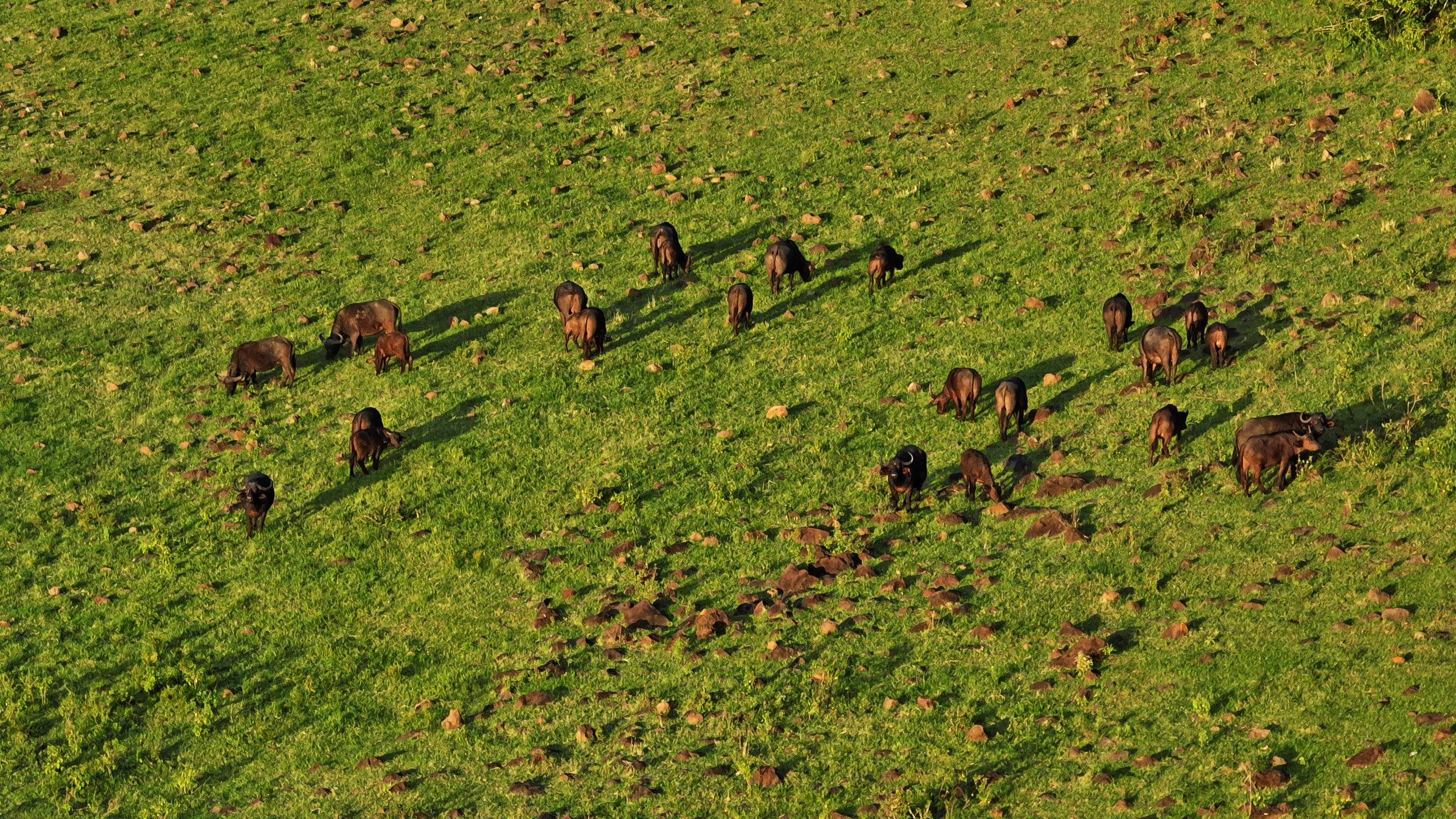
You can still see elephants that are related to Ahmed in Marsabit’s forest today. You can also see buffalo, greater kudu and leopard.. It is hard to see leopards because the forest is very dense.
The park is great for bird watching. There are over 350 types of birds in the park. You can see goshawks, Verreaux’s eagle-owls and many water birds on the crater lakes.
If you come to the park for a day, you can see many more birds than you would in other famous parks in Kenya. This is because Marsabit is where different types of habitats meet.
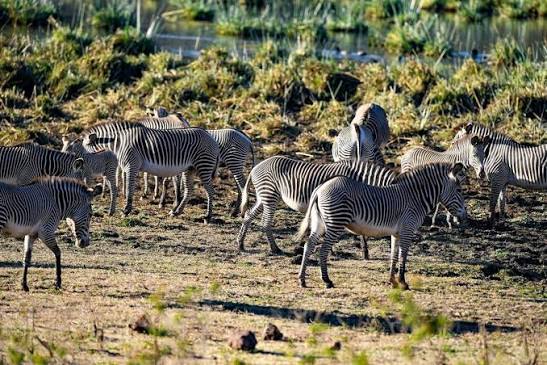
You can also see breasted starlings and lesser kudu in the park. The park has different types of habitats in a small area. This makes it a great place to visit even if you have already been to parks in Kenya.
Planning Your Visit to Marsabit National Park
The best time to visit the park is from June to February. This is because the weather is dry and you can see animals easily. The animals go to the water sources at the same time every day.
You need a Four Wheel Drive car to drive in the park. It is a good idea to hire a guide who knows the park. The guide can help you find animals in the forest.
The cost to enter the park is 25 US dollars per day. You should check with the Kenya Wildlife Service to make sure. There are hotels and guesthouses in Marsabit town. You can also camp in the park if you want to.
You should bring your food and supplies. The town of Marsabit is very remote. The shops do not have many things. The gas stations can also run out of fuel. So you should fill up your tank before you leave Isiolo.
It is cooler on the mountain than in the desert. You should bring clothes. It can be very cold in the morning, especially if there is mist on the crater lakes. It can be very hot in the afternoon.
A Landscape Worth the Journey
Marsabit National Park is a place to visit. It is not one big thing that makes it great. It is the combination of things. You drive through the desert. Then you are in a forest. It feels like you are in a country.
The elephants that live in the park are related to Ahmed. They still walk on the crater rims. Lake Paradise is a place. It is a green lake inside a volcano.
People who visit Marsabit National Park say that it is a place. They say that there are no people; it is quiet, and you feel like you have really been somewhere. This is hard to find in parks in East Africa.
If you are planning a trip to Kenya, you should think about visiting Marsabit National Park. It takes planning, and the roads can be bad. It is worth it. The park is still a place even after being protected for over 70 years.