


Laikipia Plateau: Kenya’s Community Conservation Frontier
Kenya has famous places for safaris. Some of its most meaningful conservation stories are found away from the busiest national parks. The Laikipia Plateau stands out. It brings together wildlife protection, sustainable tourism, and local communities. These communities have chosen to preserve their heritage. They also want to improve their livelihoods.
The Laikipia Plateau is in Kenya. It is north of Mount Kenya. The plateau offers a landscape. Elephants, lions, giraffes, rhinos, zebras, wild dogs, and hundreds of bird species roam here. They roam beyond park boundaries.
Private ranches, community conservancies, and conservation organizations work together. They protect wildlife in this region. They do not rely on government-managed protected areas.
Laikipia delivers a safari. It has wildlife encounters. The scenery is breathtaking. There are cultural experiences. Every journey through the plateau reveals how conservation can succeed. Local people become partners. They are not just spectators.
A Landscape Unlike Anywhere Else
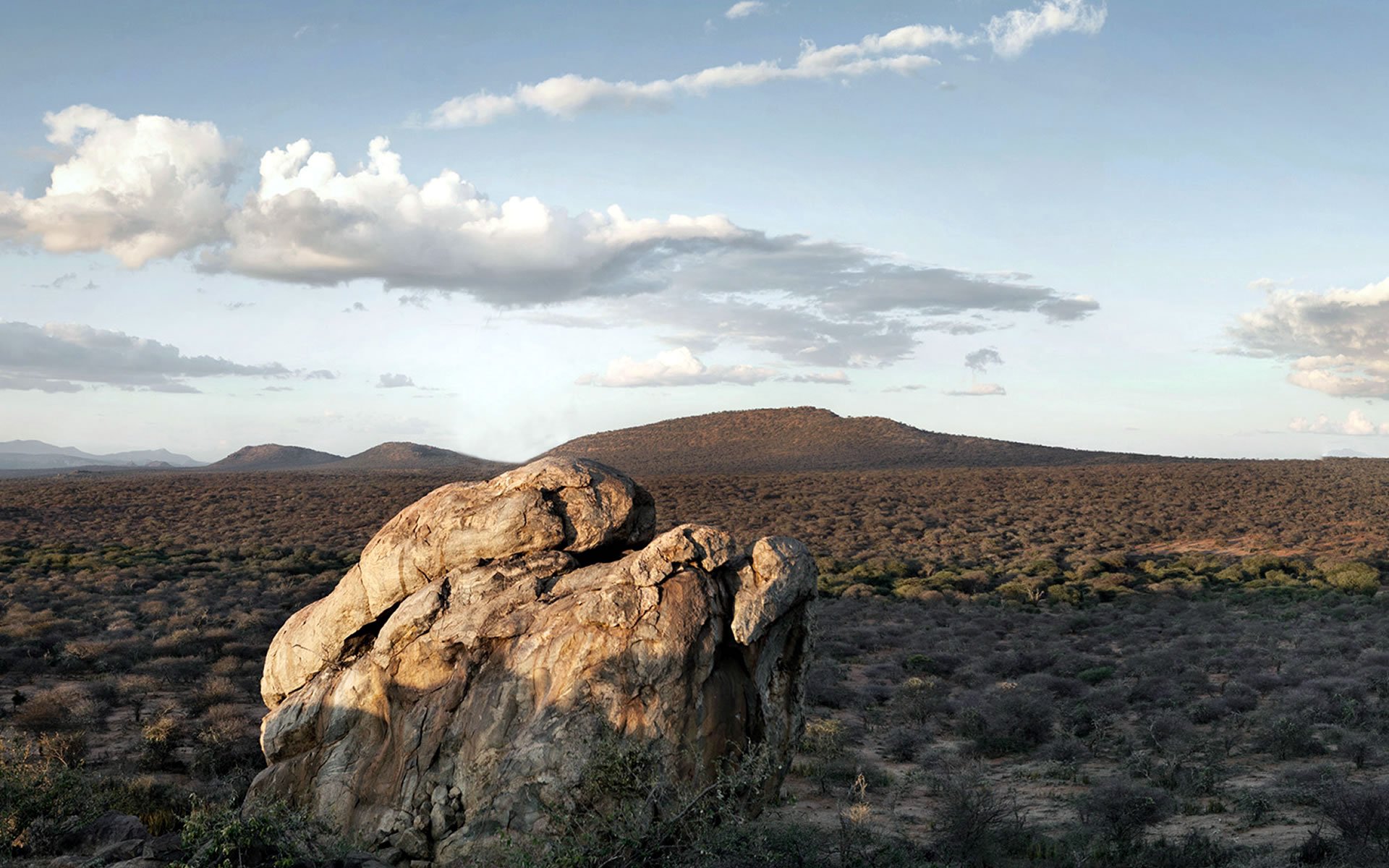
The Laikipia Plateau has temperatures. It sits at elevations between 1,700 and 2,500 meters above sea level. Rolling grasslands blend into acacia woodlands. There are hills, seasonal rivers, wetlands, and dense forests. The scenery changes constantly. Every game drive feels different.
The plateau is a wildlife corridor. It connects ecosystems across central and northern Kenya. Animals move freely across conservancies and ranches. They search for food, water, and breeding grounds. This freedom supports wildlife populations. It also supports genetic diversity. This is more than protected areas.
Laikipia allows wildlife and livestock to coexist. They coexist under managed grazing systems. These practices reduce pressure on vegetation. They support the communities. These communities have depended on these lands for generations.
Community Conservation in Action
The thing that makes Laikipia Plateau in Kenya so strong is that the people who live there work together to take care of the land and the animals. The people who own the land, the herders, the tour operators, the charities that help with conservation, and the government all work together to make sure the natural resources are used in a sustainable way.
A lot of communities in the area have started their conservancies. When tourists come to visit, the money they pay goes directly to help the community. It pays for things like schools, hospitals, water projects, and jobs for the people who live there. Now, a lot of people in the area see the animals as a thing, not as a problem. They know that the animals can bring in money and help them in the run.
The community rangers keep an eye on the animals and make sure they are safe. They also help to stop people from hurting the animals. They teach the people who live in the area about why conservation is important. Because the rangers know the land well, they can respond quickly if an animal gets too close to a village or a farm.
Young people in the area also get to benefit from the conservation programs. They can get scholarships, job training, and learn how to take care of the environment. This helps to create a generation of people who care about conservation and want to protect the animals and the land in Kenya.
Incredible Wildlife Diversity
Laikipia Plateau is home to a lot of kinds of animals. There are seventy kinds of big mammals that live in the area, which makes it one of the best places in Kenya to see wildlife.
You can see elephants walking around in family groups. They like to eat under the acacia trees or cross the plains at sunrise. The area is also home to:
lions
Leopards
Cheetahs
wild dogs
Spotted hyenas
Giraffes
Grevys zebras
Plains zebras
Buffaloes
Elands
Impalas
Waterbucks
Jacksons hartebeests
Warthogs
Bushbucks
Because the animals can roam freely, it does not feel too crowded when you are trying to see them. There are not many cars so you can watch the animals for a longer time and see what they are doing.
A Sanctuary for Endangered Species
One of the things about Laikipia is that it is a safe place for animals that are in danger. The plateau is home to a lot of very rare rhinos. The people who take care of the land and the animals have worked hard to make sure the rhinos are safe and that their numbers are increasing.
The Grevy’s zebra, which is a kind of zebra, also lives in the area. The conservation organizations work with the people who live in the area to make sure the zebras have food and a safe place to live. They use technology to keep track of the zebras and make sure they are doing okay.
African wild dogs, which were disappearing from the area, have also found a home in Laikipia. The big open spaces allow them to run around and have babies, which is helping their numbers to increase.
All of these successes show that when we take care of the land and the animals, we can help to protect the species that’re in danger.
Birdwatching Throughout the Seasons
If you like birds, you will love Laikipia. There are over five hundred kinds of birds that live in the area.
Depending on where you’re you might see:
Secretary birds walking across the grass
Martial eagles flying overhead
Lilac- rollers showing off their bright colors
African fish eagles calling near the rivers
Crowned cranes are eating in the wetlands
Vultures flying above the savannah
Bee-eaters catching insects in the air
Hornbills moving through the trees
Some birds migrate to the area at certain times of the year, which makes it an exciting place to visit for people who like birds and take pictures
Safari Experiences Beyond Traditional Game Drives
When people come to visit, they usually think they will just go on game drives, but they soon find out that Laikipia has a lot more to offer.
Laikipia offers a lot more than that.
People who come to Laikipia often think that is all they will do. Laikipia offers safari experiences beyond traditional game drives.
Walking safaris are a way to see the things that Laikipia has to offer.
On a walking safari, the guides can show guests animal tracks, medicinal plants, insects, and smaller wildlife that people in vehicles often do not see.
Laikipia walking safaris allow experienced guides to introduce guests to animal tracks, medicinal plants, insects, and smaller wildlife that vehicles often overlook.
When people walk around Laikipia, they feel more connected to the landscape.
Laikipia also has horseback safaris.
Horseback safaris in Laikipia are an adventure.
Laikipia horseback safaris provide another adventure.
People can ride horses across the plains. Get close to the animals without scaring them, which is great for taking pictures and enjoying the countryside.
Laikipia also has camel treks.
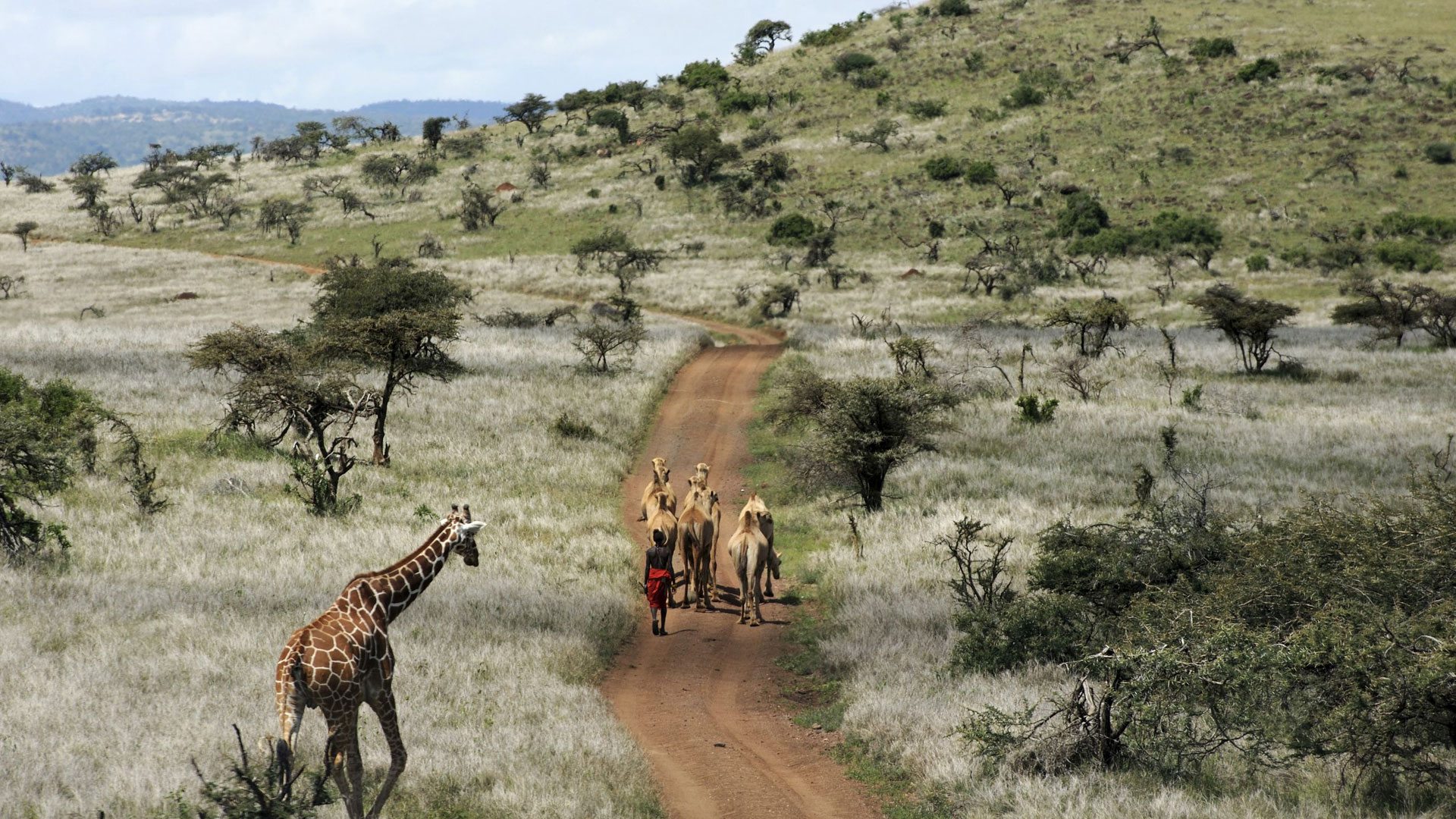
Camel trekking in Laikipia is a pace of travel that is inspired by the way people used to travel in the past.
Laikipia camel trekking offers a pace inspired by traditional pastoral travel.
When people go on a camel trek in Laikipia, they can go on a trip, camp under the stars at night, and learn about the local environment.
Laikipia night drives are also a lot of fun.
Night drives in Laikipia reveal different wildlife.
A spotlight may reveal aardwolves, porcupines, genets, civets, bush babies, or elusive leopards beginning their hunts in Laikipia.
At night, people can go for a drive. See animals that they would not see during the day, like aardwolves and leopards.
Laikipia has cycling safaris and fly camping, helicopter excursions, fishing, and conservation tours.
Cycling safaris, fly camping, helicopter excursions, fishing in selected areas, and conservation-focused tours further expand the range of Laikipia experiences.
These are things that people can do in Laikipia, like going on a bike ride or going fishing.
Meeting the People Who Protect the Land
A safari in Laikipia is about the people who live there and the wildlife.
Laikipia safari is much about people as wildlife.
When people go on a safari in Laikipia, they can meet the people who take care of the land.
Many visitors spend time with the Maasai and the Samburu, and other local communities who have lived in Laikipia for a time.
Many visitors spend time with Maasai, Samburu, and other local communities whose traditions have shaped the region for centuries in Laikipia.
These people have been living in Laikipia for centuries. They have their own traditions.
People can visit these communities. Learn about how they take care of their animals and make crafts, music, and dance.
Community guides in Laikipia can explain how the local people help with conservation.
Community guides explain how indigenous knowledge contributes to conservation practices in Laikipia.
Many of the skills that the guides use to track animals have been passed down from their grandparents.
When people buy things that the local people make, like beads and baskets, they are helping the families. Keeping the traditional skills alive.
Purchasing beadwork, woven baskets, carvings, and handmade crafts provides direct support to families while preserving traditional skills in Laikipia.
This helps the people, and it also helps people have a more meaningful experience when they visit Laikipia.
These interactions create travel experiences that go far beyond wildlife viewing alone in Laikipia.
Responsible Tourism Creates Lasting Benefits
The success of Laikipia Plateau: Kenya’s Community Conservation Frontier depends heavily on tourism done in a way. When visitors spend money here, it directly helps conservation projects. Creates jobs in the surrounding communities.
Many safari camps try to be kind to the environment. They use energy, collect rainwater, recycle waste, build with sustainable materials, and manage water carefully to reduce their impact.
Several lodges also help schools, health clinics, women’s groups, tree-planting projects, and vocational training initiatives. Guests can often visit these community projects. See how tourism money benefits local people.
Responsible travel helps visitors become part of conservation efforts, not observers.
The Best Time to Visit
Laikipia welcomes visitors all year round. Each season has its advantages.
The dry seasons, from June to October and January to March, make it easier to see wildlife. The vegetation is thinner. Animals gather around water sources, making them easier to spot.
After the seasons, the landscape turns into green grasslands with wildflowers. Birds are very active newborn animals, and the photography conditions are great because of the skies.
The plateaus’ moderate elevation keeps temperatures low, allowing enjoyable game viewing during much of the day.
Conservation Challenges Continue
Laikipia has become a conservation success story, but challenges remain.
Climate change affects rainfall, putting pressure on wildlife and livestock during periods. Human population growth creates demand for land, water, and infrastructure. Sometimes human-wildlife conflict occurs when elephants damage crops or predators attack livestock.
Conservation organizations are developing solutions, including livestock management programs to compensate for predator attacks, stronger community partnerships, habitat restoration, wildlife monitoring technologies, and environmental education.
The community’s willingness to stay engaged in these efforts is one of the region’s greatest strengths.
A Destination That Inspires Hope
Every safari leaves lasting memories. Few places show the future of African conservation as clearly as Laikipia Plateau: Kenya’s Community Conservation Frontier. Visitors see a landscape where wildlife conservation supports opportunity, where tourism strengthens communities, and where people work together to protect one of Kenya’s richest natural environments.
The plateau proves that successful conservation extends beyond park boundaries. It depends on partnerships built on trust, shared benefits, and long-term commitment. Every elephant roaming freely, every rhino protected by rangers, and every Grevy’s zebra grazing across open plains reflects years of cooperation between communities, conservationists, and responsible tourism operators.
For anyone planning a safari in the Laikipia Plateau: Kenyas Community Conservation Frontier offers more than just great wildlife viewing. It provides an opportunity to experience a destination where every game drive, cultural encounter and conservation activity helps protect nature and improve lives. The result is a safari that remains memorable long after the journey ends because it shows how people and wildlife can thrive together when conservation becomes a shared responsibility.