


Is the Great Migration Affected by Climate Change?
Yes, the Great Migration is increasingly being influenced by climate change, although not in a simple or uniform way. The movement of over a million wildebeest, zebra, and gazelle across the ecosystems of Serengeti National Park and Maasai Mara National Reserve is fundamentally driven by rainfall patterns, pasture availability, and water access. Because these factors are directly tied to climate systems, any long-term shifts in weather have a cascading effect on migration behavior.
How the Migration Normally Works
Under natural conditions, the migration follows a relatively predictable seasonal cycle. Herds move in response to alternating wet and dry seasons, tracking fresh grass growth across the Serengeti–Mara ecosystem.
When rains begin in southern areas, animals gather there for calving. As those regions dry out, herds gradually move toward central, western, and northern zones in search of grazing and water. This rhythm is not fixed to a calendar but to rainfall distribution.
How Climate Change Is Disrupting Rainfall Patterns
Climate change is altering the timing, intensity, and reliability of rainfall in East Africa.
Instead of steady seasonal rains, the region is experiencing:
Delayed rainfall onset
Shorter or longer-than-usual rainy seasons
Unpredictable drought periods
Sudden heavy rainfall events
These shifts directly affect grass growth, which is the primary driver of migration movement.
When grass availability changes, herds adjust their routes and timing accordingly, sometimes earlier or later than expected.
Changes in Migration Timing
One of the most noticeable impacts is variability in timing.
In some years, the calving season in southern Serengeti begins earlier or later depending on rainfall patterns. Similarly, river crossings in northern regions can shift in timing because water levels and grazing pressure change.
This makes the migration less predictable for safari planning. While general seasonal patterns still exist, exact wildlife locations cannot be guaranteed far in advance.
Impact on Calving Season
The calving period is especially sensitive to climate change.
When rains arrive late or are inconsistent, grass quality in calving grounds is affected. This can influence:
Calving timing
Calf survival rates
Predator-prey interactions
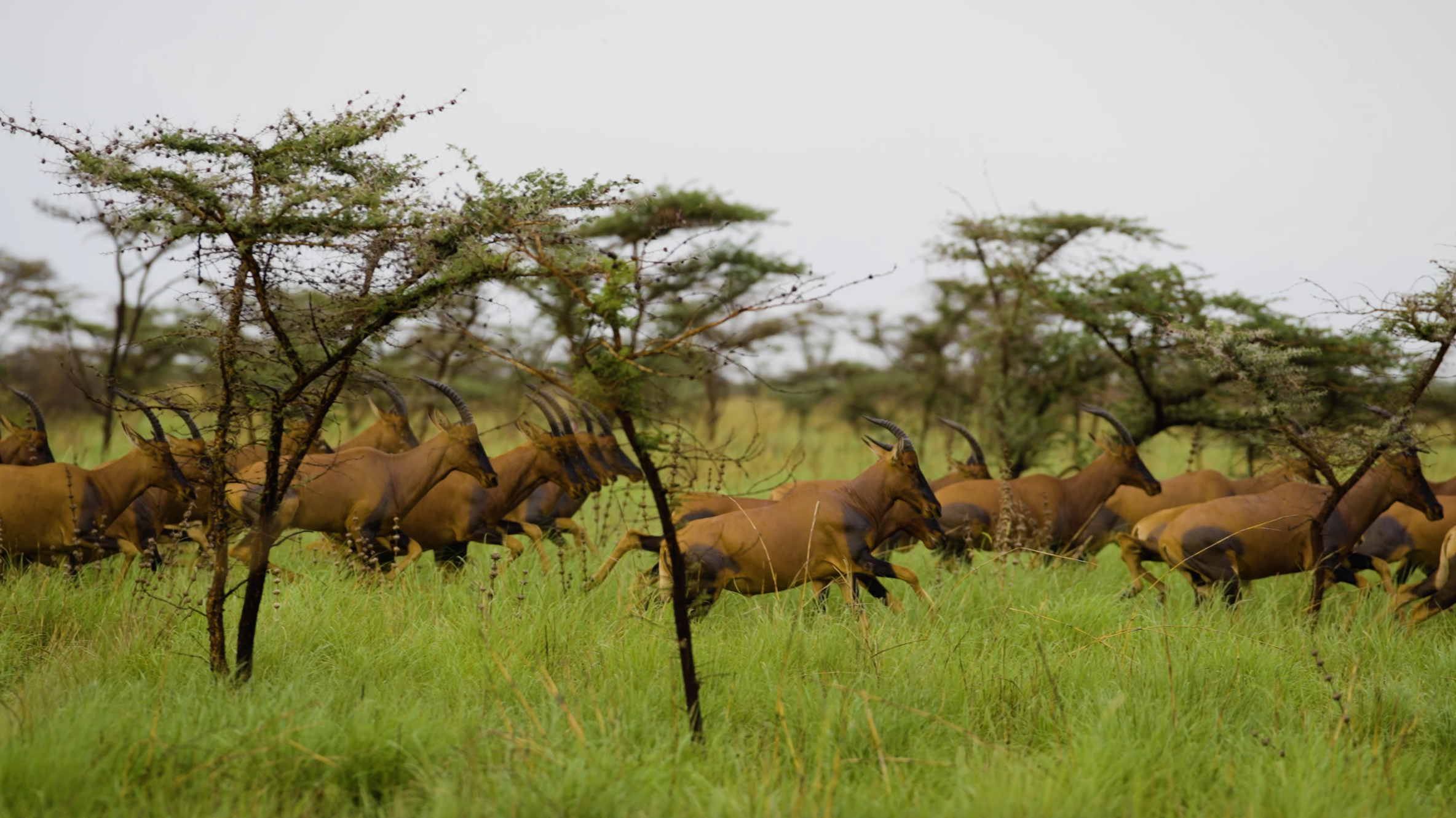
In some cases, if conditions are poor, herds may spread out more widely instead of concentrating in one area, reducing the density of wildlife sightings.
Water Stress and River Systems
River crossings, particularly in northern regions of the Serengeti ecosystem, depend on water flow in key rivers.
Changing rainfall patterns can lead to:
Lower water levels during dry seasons
Sudden flooding during heavy rains
Unstable river crossing conditions
These changes affect both animal movement and the dramatic timing of crossing events.
Habitat and Grassland Changes
Long-term climate shifts also influence vegetation patterns.
If certain areas become drier over time, grass quality may decline, pushing herds to adjust their traditional routes. Conversely, regions that receive more consistent rainfall may become more important grazing zones.
This gradual ecological shift can slowly reshape migration pathways, although the overall system remains intact.
Wildlife Adaptation and Resilience
Despite these challenges, the Great Migration is highly resilient.
Wildebeest and other migratory species have evolved to respond quickly to environmental changes. Their movement is flexible, not fixed, allowing them to adapt to shifting conditions.
This adaptability is one reason the migration has survived for thousands of years despite past climate fluctuations.
However, the speed and unpredictability of current climate change present new pressures that are more intense than historical patterns.
Impact on Safari Experiences
For travelers, climate change means greater variability in wildlife viewing.
You may experience:
Migration herds appearing earlier or later than expected
Changes in river crossing timing
Variation in predator concentration areas
Less predictable herd density in specific locations
This is why experienced guides and flexible itineraries are more important than ever when planning a safari.
Conservation and Monitoring Efforts
Researchers and conservation organizations closely monitor migration patterns to understand how climate change is affecting the ecosystem.
Efforts include:
Satellite tracking of herd movement
Rainfall and vegetation monitoring
Wildlife corridor protection
Community-based conservation programs
These initiatives help maintain ecosystem connectivity and ensure that migratory routes remain viable.
Final Thoughts
The Great Migration is not disappearing, but it is becoming more variable due to climate change. Shifts in rainfall patterns, vegetation cycles, and water availability are influencing timing, routes, and wildlife distribution across the Serengeti–Mara ecosystem.
While the system remains one of the most resilient natural phenomena on Earth, it is no longer as predictable as it once was. For travelers, this means flexibility is essential, and for conservationists, it underscores the importance of protecting large, connected landscapes that allow wildlife to adapt naturally.
In essence, the migration is still thriving—but it is evolving in response to a changing climate.