


How to Get Your Body Ready for a Gorilla Trek in 3 Months
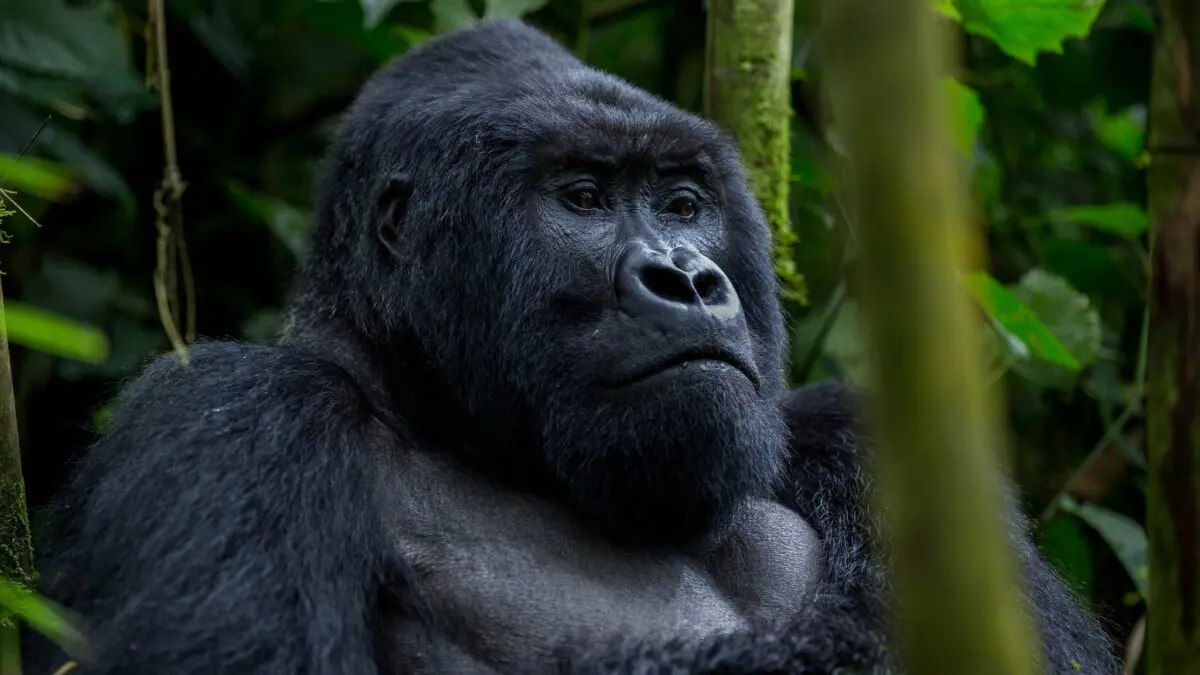
So you’ve booked a gorilla trek—amazing. You’re probably dreaming of that moment when you’re sitting a few metres from a massive silverback, watching him munch on bamboo like it’s no big deal. But here’s something nobody really warns you about: the hike to get there can be an absolute beast.
Don’t panic. You don’t need to be some trail-running, protein-shake-chugging machine. I’ve seen grandparents and first-time hikers make it just fine. But if you’ve got three months to prepare, a little honest effort now will save you a world of pain (and whining) later.
Why even bother training?
Look, some people find the gorillas in under an hour. Others are out there for four or five hours, slipping down muddy slopes, scrambling over roots, and sweating through their shirts in humid jungle heat. You won’t know until you’re in it.
Being in decent shape means you actually get to enjoy the magic instead of spending the whole time thinking, “I can’t feel my legs”. Plus, you’re way less likely to twist an ankle or be too sore to move the next day.
Month one: honestly, just start walking
Forget the gym. Seriously. The best thing you can do this month is walk. A lot.
-
First two weeks: Walk for 30 minutes, four or five times a week. Flat ground. Easy pace. That’s it. The only goal is to get off the couch consistently.
-
Next two weeks: Bump it to 45–60 minutes, five days a week. Find some gentle hills if you can. Got stairs nearby? Do 10–15 minutes of stair climbing a few times a week. Your backside will thank you later.
Month two: make it a little spicier
By now, walking is probably feeling pretty easy. Good. Time to challenge yourself a bit.
-
One long walk each week: Go for 90 minutes to two hours. Find hills. Pretend you’re already in the jungle.
-
Strength training (just twice a week, nothing crazy): You don’t need weights. Squats? Yes—they’re your new best friend for climbing. Lunges? Awkward at first, brilliant for balance. Step‑ups onto a sturdy chair or bench? That’s basically hill training. Throw in some planks or bird-dogs for your core, because nobody enjoys wobbling like a baby deer on uneven ground.
Month three: make it feel real
This is the home stretch. Time to stop pretending and start simulating.
-
Ditch the pavement: Walk on dirt, grass, rocky paths, forest trails—anything uneven. You’ll quickly realise that balancing on slippery ground is way harder than the actual distance.
-
Wear your trekking backpack: Throw in some water bottles, a jacket, snacks, and your camera gear. Start light, then add weight slowly. Let your shoulders and back complain now, not in Uganda.
-
Do one proper long hike: Aim for two to three hours of walking with climbs. It doesn’t have to be perfect. You just want your body to know “oh, this is what being tired feels like” before you go.
-
Mix up your cardio: Walk, bike, swim, jog—whatever doesn’t bore you to tears. Aim for about 150 minutes a week of moderate effort (where you can still talk, but you’d rather not).
Don’t ignore your balance (yes, really)
The trails are full of roots, rocks, and ankle‑traps. Spend a few minutes on balance: stand on one leg while brushing your teeth, try a little yoga, do some Pilates. Stretch your hamstrings, calves, and lower back after exercise. Ten minutes is plenty. In the future, you will be grateful.
What if your knees aren’t great?
You’re not alone. Lots of people worry about this. Here’s what helps: strengthen the muscles around your knees, start with gentle hills, use trekking poles (even at home on practice walks), and wear proper boots. Poles are lifesavers on the way down—descending is often harder on the knees than going up.
What about a heart condition?
Talk to your doctor. Seriously. Don’t guess. If they give you the green light, go slow. Three months of gentle, steady progress is way better than pushing too hard and crashing. Listen to your body.
Please, please break in your boots
I cannot say this enough. Do not—I repeat, do not—bring brand new hiking boots on your trek. Wear them around the neighbourhood. Get blisters at home, not in the rainforest. Test your socks, your backpack, your poles. In the future, you will want to send a thank‑you card.
Rest is not laziness
This is the part everyone forgets. Sleep. Eat real food. Drink water. Take days off. Your muscles don’t grow while you’re working out—they grow while you’re resting. Don’t skip that part.
A super simple 12‑week plan
Weeks 1–4: Getting into the groove
For the first month, just focus on walking regularly. Try to get out for 30 to 60 minutes, five days a week. Nothing crazy—just a pace that feels good. A couple of times a week, find some stairs and go up and down a few extra times.
It wakes up your legs. Twice a week, do a simple strength session at home: squats, lunges, planks. Nothing fancy. This is just about building a habit so your body remembers what moving feels like.
Weeks 5–8: Adding some oomph
Now it’s time to make things a bit harder. Once a week, swap a normal walk for a longer hike—think 90 minutes to two hours. Pick a trail with a few hills. Strength moves up to three times a week, and you can add light hills to your regular walks too.
Start carrying a light backpack—just a few pounds, like a water bottle and a jacket. It doesn’t feel like much at first, but your back and shoulders will notice.
Weeks 9–12: Almost there
This is the real deal. Your long hike each week should be on rough, uneven ground—roots, rocks, loose dirt. Wear your actual trekking boots and carry your real pack,
with the weight you’ll have on the trip. Keep up your daily walks and stair climbing, and don’t skip strength work. But most importantly, stretch. Your hips and knees will thank you. By the end of week 12, you’ll be ready to hit the trail without your body going into shock.
So what shape do you actually need to be in?
Honestly? If you can walk for a few hours, handle some hills, and not fall apart on bumpy ground, you’ll be fine. You don’t need to be an athlete. You just need to show up prepared enough that the trek feels like an adventure—not a near‑death experience.
Three months is plenty of time. Take it week by week. And when you’re finally standing there, staring into the eyes of a mountain gorilla who clearly couldn’t care less about your fitness level, you’ll be so glad you put in the work.