


Great Migration Eco-Camps: Sustainable Safari Options
Eco-camps are one of the most responsible and immersive ways to experience the Great Migration. Instead of permanent, high-impact lodges, these camps are designed to be low-impact, mobile, and environmentally conscious, often following the movement of wildebeest across ecosystems like Serengeti National Park. They combine comfort with conservation, allowing travelers to experience wildlife while minimizing disturbance to the ecosystem.
What Makes an Eco-Camp “Sustainable”?
A true Great Migration eco-camp is defined by how it interacts with nature. Unlike large permanent structures, eco-camps are usually temporary and designed to leave minimal trace.
Key sustainability features include:
Solar power instead of diesel generators
Mobile or semi-permanent tented structures
Waste separation and removal from protected areas
Low guest capacity to reduce environmental pressure
Locally sourced food and employment for nearby communities
Many camps also actively support conservation programs and anti-poaching efforts within the Serengeti–Mara ecosystem.
Mobile Eco-Camps That Follow the Migration
One of the most unique types of sustainable safari is the mobile eco-camp, which physically relocates with the migration.
These camps move between northern, central, and southern Serengeti depending on herd location. This reduces the need for heavy infrastructure and ensures guests are always close to wildlife without permanent disruption.
For example, mobile camps shift seasonally between calving grounds in the south and river-crossing zones in the north, ensuring minimal environmental footprint while maximizing wildlife viewing opportunities.
Fixed Eco-Lodges with Sustainable Design
Not all eco-camps move. Some are permanent but built with strict sustainability principles.
These lodges typically feature:
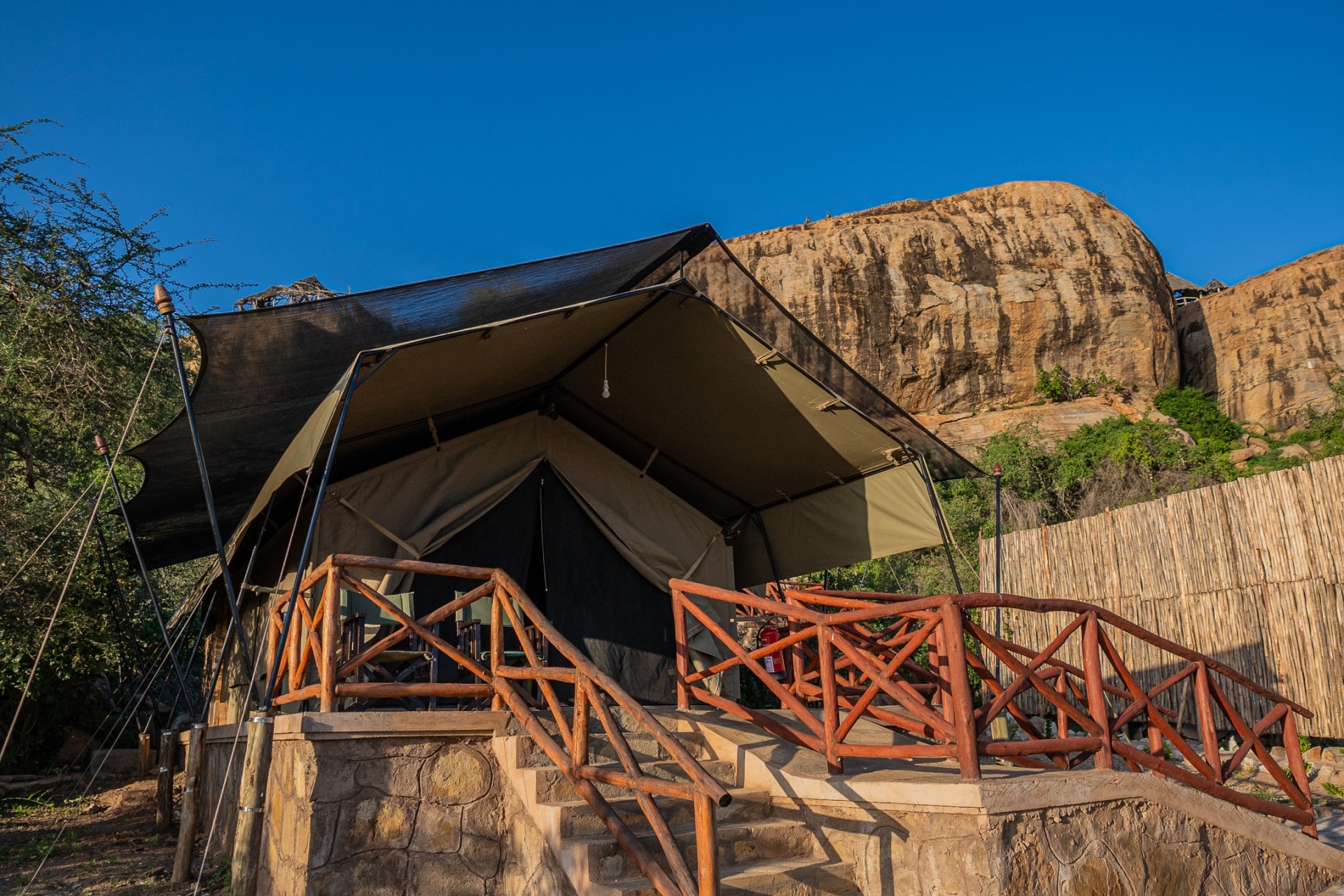
Raised tented structures to avoid soil disturbance
Natural ventilation instead of air conditioning
Water recycling systems
Minimal light pollution to protect nocturnal wildlife
Many are designed to blend into the landscape rather than dominate it, especially in sensitive areas near migration corridors.
Why Eco-Camps Matter for the Migration
The Great Migration depends on open landscapes and intact wildlife corridors. Unsustainable tourism development can disrupt these routes through fencing, roads, or excessive vehicle traffic.
Eco-camps help reduce this pressure by:
Limiting the number of guests in sensitive zones
Avoiding permanent construction in migration pathways
Supporting conservation-based land management
This is especially important in fragile areas where wildlife movement must remain unrestricted.
Types of Eco-Camp Experiences
Eco-camps vary in style, but most fall into three main categories:
Mobile Tented Eco-Camps
These offer the most immersive experience. Guests stay in lightweight tents that move with the migration. The focus is on proximity to wildlife rather than luxury infrastructure.
Mid-Range Eco-Lodges
These combine comfort with sustainability, offering en-suite tents, solar power, and structured safari experiences while maintaining low environmental impact.
Luxury Eco-Camps
High-end eco-camps offer premium services such as private guides, gourmet meals, and large tented suites while still maintaining strict conservation principles and low-impact design.
Some luxury eco-camps are even located in private conservancies adjacent to migration routes, reducing pressure on core protected areas.
Conservation Integration
Many eco-camps are directly involved in conservation work.
This includes:
Funding anti-poaching units
Supporting wildlife research projects
Partnering with local Maasai and pastoral communities
Contributing tourism revenue to habitat protection
Some mobile camps are explicitly designed around a “leave no trace” philosophy, where all materials are removed after seasonal use, leaving the land to recover naturally.
Where Eco-Camps Are Found in the Migration Route
Eco-camps are strategically located across key migration zones:
Southern Serengeti (calving season)
Central Serengeti (movement and grazing)
Northern Serengeti (river crossing zones)
Border areas near the Maasai Mara ecosystem
This flexibility allows camps to follow ecological patterns rather than fixed infrastructure constraints.
Benefits for Travelers
Choosing an eco-camp offers several advantages beyond sustainability:
Closer proximity to wildlife without large tourist crowds
More authentic bush experience with fewer vehicles
Stronger connection to conservation and local communities
Flexible locations aligned with seasonal migration movements
It is a more immersive and environmentally responsible way to experience the safari ecosystem.
Limitations to Consider
Eco-camps are not designed for everyone. They may involve:
Less luxury infrastructure compared to permanent lodges
Limited Wi-Fi or connectivity
Basic but comfortable bush-style accommodation
Remote locations with longer travel times
However, these limitations are often part of the intentional design to reduce environmental impact.
Final Thoughts
Great Migration eco-camps represent a shift toward more responsible safari tourism. By combining mobility, low-impact design, and conservation-focused operations, they allow travelers to experience one of the world’s greatest wildlife spectacles without placing unnecessary pressure on the ecosystem.
Across regions like Serengeti National Park, these camps play an important role in protecting migration corridors while offering highly immersive safari experiences.
For travelers seeking both authenticity and sustainability, eco-camps are one of the most meaningful ways to witness the Great Migration in 2026.