


Great Migration and Serengeti National Park — Complete Visitor Guide
The Great Migration is one of the most extraordinary wildlife spectacles on Earth, unfolding across the vast savannahs of Serengeti National Park and extending into Maasai Mara National Reserve. This continuous, circular movement of over a million wildebeest, accompanied by zebras and gazelles, is driven by rainfall patterns and the search for fresh grazing. It is not a single event but a year-round ecological cycle that transforms the Serengeti ecosystem into a living theatre of survival, movement, and predator-prey interaction.
Understanding how this migration works, when to visit, and how to plan a safari around it is essential for any traveler seeking a high-quality experience.
Understanding the Great Migration Cycle
The Great Migration is not random. It follows a predictable ecological rhythm shaped by rainfall and grass growth across northern Tanzania and southern Kenya.
From December to March, the herds concentrate in the southern Serengeti plains, particularly around the Ndutu region. This is calving season, when thousands of wildebeest calves are born daily. It is also one of the best times to witness predator activity, as lions, cheetahs, and hyenas take advantage of the abundance of vulnerable young animals.
Between April and June, the migration begins moving northwest through the central Serengeti. This period is marked by long columns of animals on the move, often stretching across the horizon.
From July to October, the herds reach the northern Serengeti and begin crossing into the Maasai Mara. This is the famous river crossing season, particularly at the Mara River, where dramatic scenes unfold as animals attempt to cross crocodile-filled waters.
By November, the herds begin moving south again as short rains return, completing the cycle.
Best Time to Visit Serengeti National Park
Timing your visit depends on what aspect of the migration you want to experience.
If your goal is to witness calving and predator interaction, January to March is ideal. For travelers seeking the drama of river crossings, July to October offers the most iconic scenes. Those interested in large moving herds across open plains may prefer April to June or November transitions.
It is important to note that migration patterns can vary slightly each year depending on rainfall, so flexibility improves your chances of seeing key moments.
Regions of the Serengeti and What They Offer
Serengeti National Park is vast, and different regions offer distinct experiences.
The southern plains are open and ideal for calving season, with excellent visibility for wildlife photography. Central Serengeti, also known as Seronera, is a year-round wildlife area with high predator density. The western corridor features river systems and migration movement during early dry season months. Northern Serengeti is remote and best known for river crossings and quieter safari experiences.
Each region requires strategic planning depending on your travel goals.
Wildlife Beyond the Migration
While the Great Migration is the headline attraction, Serengeti National Park offers exceptional wildlife viewing year-round.
You can expect to see:
Large prides of lions
Leopards in riverine forests
Cheetahs on open plains
Elephants and giraffes across varied landscapes
Buffalo and diverse antelope species
This biodiversity ensures that even outside peak migration periods, the safari experience remains rich and rewarding.
Safari Types and Experience Options
Visitors can choose from several safari styles depending on budget and preference.
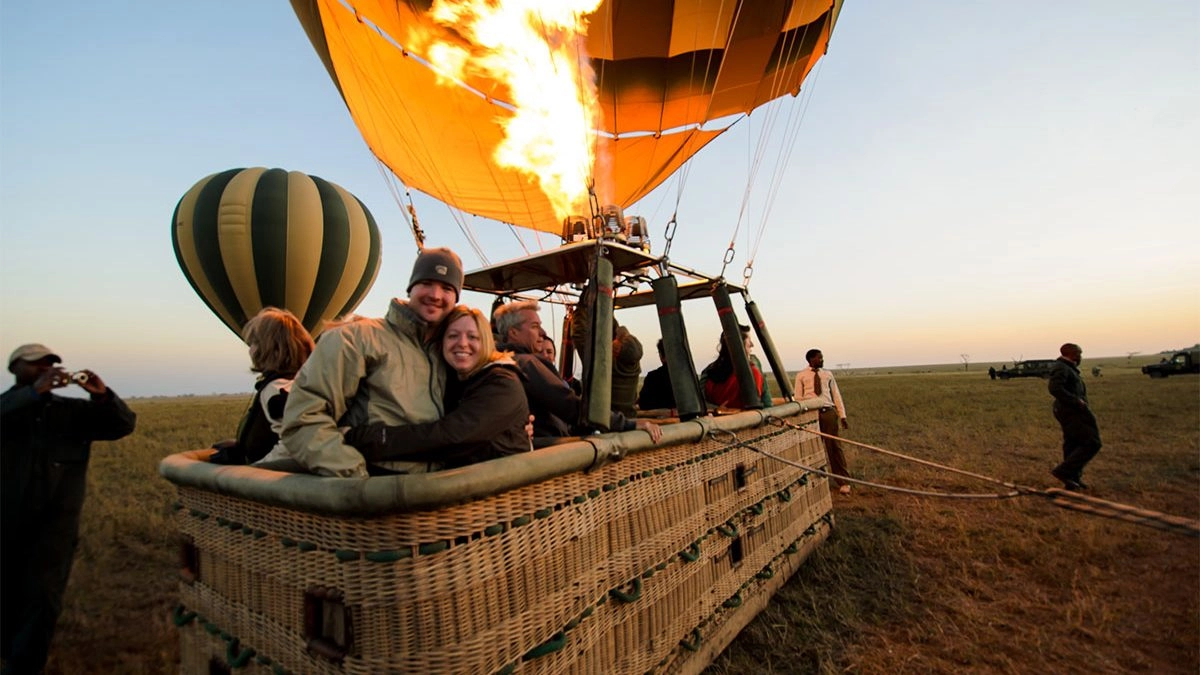
Game drives are the most common, conducted in 4×4 vehicles with experienced guides. Walking safaris are available in specific zones and offer a more immersive perspective. Hot air balloon safaris provide aerial views of the plains, often at sunrise, offering a unique vantage point over migrating herds.
Each experience adds a different dimension to understanding the Serengeti ecosystem.
Accommodation Options
Serengeti accommodation ranges from basic camps to high-end luxury lodges.
Mobile tented camps follow the migration, offering proximity to wildlife movements. Permanent lodges provide consistent comfort and are often located in central wildlife areas. Luxury camps combine remote locations with high service standards and private guiding options.
Choosing accommodation close to current migration zones significantly improves wildlife viewing opportunities.
Access and Travel Logistics
Most travelers access the Serengeti via flights from major East African hubs such as Arusha. Small aircraft connect to airstrips within different Serengeti regions, reducing travel time across the park.
Overland travel is also possible but can be time-consuming due to distances and road conditions. Combining flights and ground transfers is often the most efficient approach.
Weather and Climate Considerations
Serengeti experiences a tropical savannah climate with distinct wet and dry seasons.
The dry season, from June to October, offers easier wildlife viewing due to shorter grass and animals gathering around water sources. The wet season, particularly March to May, brings lush landscapes but can make travel more challenging due to muddy roads.
Each season offers different advantages depending on traveler priorities.
Photography and Viewing Tips
Wildlife photography in the Serengeti requires patience and timing.
Early morning and late afternoon game drives provide the best light conditions. Understanding animal behavior improves chances of capturing key moments, especially during migration crossings or predator hunts.
Using appropriate lenses and maintaining steady positioning in vehicles enhances image quality.
Conservation and Responsible Tourism
Serengeti National Park is a protected ecosystem, and tourism plays a critical role in its conservation.
Visitors are expected to:
Follow park regulations
Respect wildlife distances
Avoid disturbing animal behavior
Support eco-friendly lodges and operators
Responsible tourism ensures that the Great Migration continues for future generations.
Combining Serengeti with Other Destinations
Many travelers combine Serengeti safaris with other East African experiences.
Popular additions include:
Ngorongoro Crater for dense wildlife viewing
Tarangire National Park for elephant populations
Zanzibar for coastal relaxation after safari
This creates a well-rounded itinerary combining wildlife, landscapes, and cultural experiences.
The Great Migration in Serengeti National Park is not just a safari highlight—it is one of the most significant natural events on the planet. Its scale, unpredictability, and ecological importance make it a must-see for serious wildlife travelers.
By understanding the migration cycle, choosing the right time and region, and planning logistics carefully, visitors can experience one of Africa’s most iconic landscapes at its best.
Whether witnessing a dramatic river crossing or quiet grazing on open plains, the Serengeti delivers a safari experience defined by movement, life, and the raw rhythms of nature.