


Great Migration and Ngorongoro Crater: Perfect 7-Day Combo
A 7-day safari combining the Great Migration with the Ngorongoro Crater is one of the most efficient and rewarding itineraries in East Africa. It blends two of Tanzania’s most iconic wildlife experiences into a single, well-paced journey. On one side, you have the vast, ever-moving herds of wildebeest across the Serengeti ecosystem. On the other, you have the compact, wildlife-rich caldera of Ngorongoro Crater, often described as one of the best places in Africa to see the Big Five in a short time.
This combination works particularly well for travelers who want both scale and density. The Serengeti offers movement, drama, and unpredictability, while the crater delivers consistency, structure, and high wildlife concentration.
Why This Combination Works So Well
The key advantage of combining the migration with Ngorongoro is contrast. In Serengeti National Park, wildlife is spread across vast plains, and sightings depend on timing, tracking, and patience. In the crater, wildlife is concentrated within a relatively small area, making sightings more predictable.
This creates a balanced safari experience. Even if migration movement is slower or dispersed, the Ngorongoro Crater ensures strong wildlife viewing, including lions, elephants, buffalo, and often black rhinos.
Logistically, the two destinations are well connected, allowing efficient travel without long transfers.
Best Time to Do This 7-Day Safari
Timing is critical because the migration moves throughout the year.
From December to March, herds are concentrated in the southern Serengeti during calving season. This period offers excellent predator action and open plains filled with newborn animals.
From April to June, the migration moves through central and western Serengeti areas, often with fewer crowds and good general wildlife viewing.
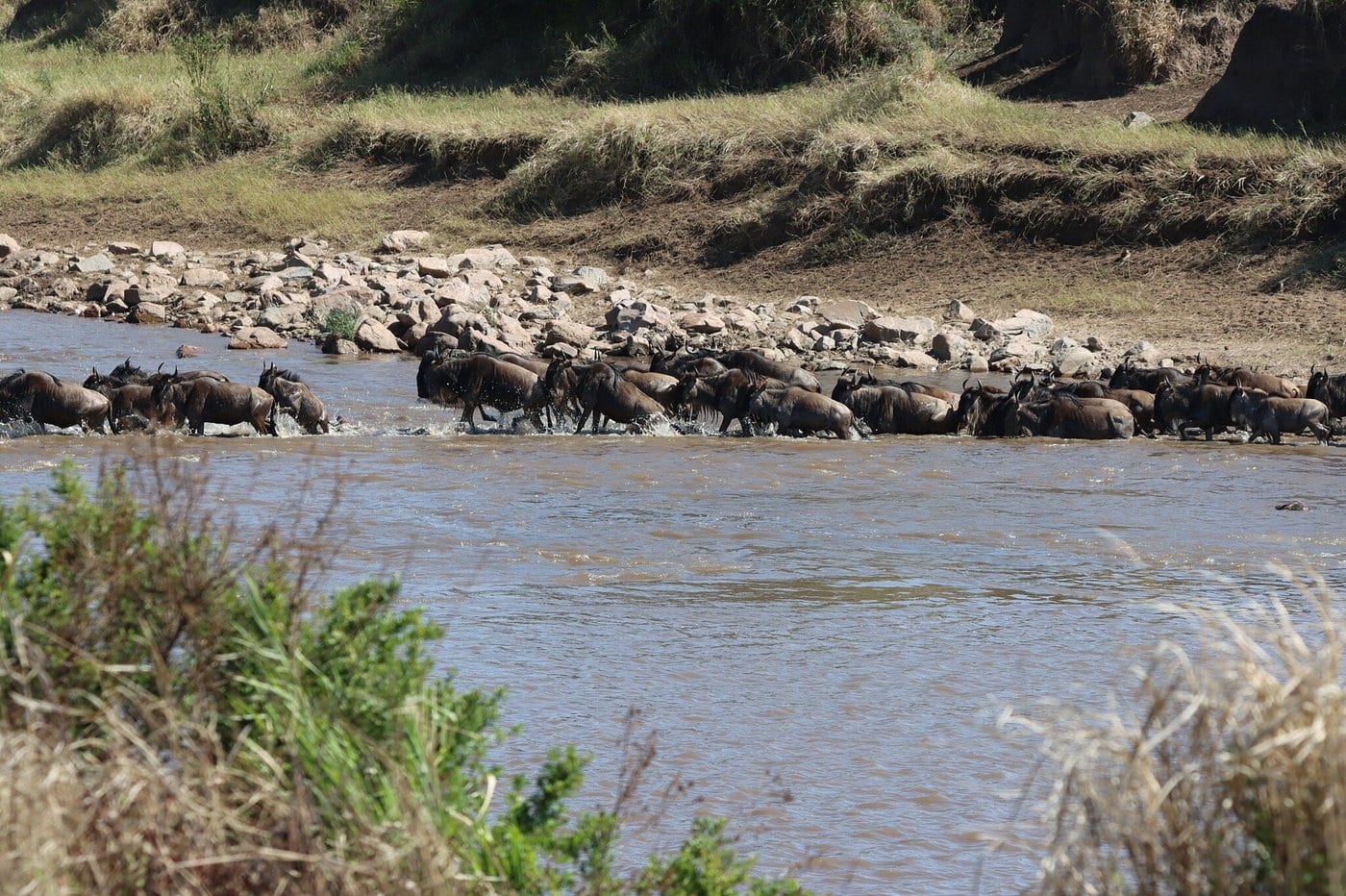
From July to October, herds reach the northern Serengeti, where river crossings become the highlight.
Ngorongoro Crater, however, is excellent year-round, making it a reliable component regardless of when you travel.
Ideal 7-Day Itinerary Structure
Day 1: Arrival in Arusha
Your safari begins in Arusha, the main gateway to northern Tanzania’s safari circuit. Most international travelers arrive via Kilimanjaro International Airport and transfer to a lodge in Arusha for rest and briefing.
This day is primarily for recovery from travel and preparation for the safari.
Day 2: Arusha to Serengeti
You transfer from Arusha to the Serengeti, either by road or domestic flight depending on budget and time.
Road transfers allow you to pass through scenic landscapes and the Ngorongoro highlands, while flights save time and offer aerial views.
Upon arrival in the Serengeti, you begin your first game drive, focusing on areas where the migration is currently located.
Day 3: Full Day in the Serengeti (Migration Tracking)
This day is dedicated to tracking the migration.
Your guide will position you based on recent herd movements. Activities may include following wildebeest herds, observing predator behavior, and exploring different habitats within the park.
Expect long game drives, early starts, and flexible planning depending on wildlife activity.
Day 4: Another Full Day in the Serengeti
A second full day increases your chances of witnessing key migration moments such as herd movement, predator interactions, or river crossing buildup if in the right season.
This day often provides the most memorable sightings due to extended time in the field.
Day 5: Serengeti to Ngorongoro Conservation Area
After a morning game drive, you begin your journey toward the Ngorongoro Conservation Area.
The landscape changes dramatically as you move from open plains to highland terrain. Lodges are typically located on the crater rim, offering cooler temperatures and scenic views.
This transition day also allows time to relax after multiple intense game drives.
Day 6: Ngorongoro Crater Game Drive
You descend into the Ngorongoro Crater for a full-day game drive.
The crater floor is home to a dense concentration of wildlife, including lions, elephants, buffalo, hippos, hyenas, and, with some luck, black rhinos.
Because the area is enclosed, wildlife viewing is consistent and efficient. You can often see multiple species within a short period.
This is one of the most productive game drive days of the entire itinerary.
Day 7: Return to Arusha and Departure
After breakfast, you return to Arusha for your onward flight or international departure.
Depending on timing, optional activities such as cultural visits or short excursions can be added.
Accommodation Options
This itinerary works across different budget levels.
Budget travelers typically stay in tented camps or basic lodges. Mid-range options offer comfortable tented camps with en-suite facilities. Luxury travelers can choose high-end lodges with premium services, private guides, and fly-in transfers.
Accommodation location in the Serengeti should match the migration’s position to minimize travel time and maximize viewing opportunities.
Wildlife Highlights You Can Expect
This combination safari offers a wide range of wildlife experiences.
In the Serengeti, you focus on wildebeest herds, zebra, and predators such as lions, cheetahs, and hyenas. The scale and movement define this part of the trip.
In Ngorongoro, you focus on density. You may see the Big Five within a single day, along with large numbers of herbivores and birdlife.
The contrast between these two environments creates a more complete safari experience.
Cost Expectations for 2026
Prices vary depending on accommodation level, transport mode, and season.
Budget safaris typically range from $2,000 to $3,000 per person for 7 days. Mid-range options range from $3,500 to $5,500. Luxury safaris can exceed $7,000 per person, especially with fly-in options and premium lodges.
Peak migration season (July to October) is the most expensive period.
Key Planning Tips
Booking accommodation close to migration routes is essential. Working with experienced guides improves your chances of locating herds. Flexibility in itinerary timing increases success rates for migration viewing.
It is also important to balance expectations. Migration is a natural movement, not a guaranteed event at a fixed location.
Final Thoughts
A 7-day combination of the Great Migration and the Ngorongoro Crater delivers one of the most complete safari experiences in Africa. It combines movement and scale with density and reliability, offering both dramatic wildlife encounters and consistent sightings.
For travelers with limited time but high expectations, this itinerary provides an efficient and well-rounded introduction to Tanzania’s most iconic wildlife destinations.