


Gorilla Trekking in Rwanda During the Rainy Season: What to Expect
Many travellers planning a gorilla trekking adventure in Rwanda often wonder whether visiting during the rainy months is a good idea. The short answer is yes—gorilla trekking is available year-round in Volcanoes National Park, and the rainy season offers unique advantages that experienced safari travellers truly appreciate.
Rwanda’s rainy seasons run from March to May (the long rains) and October to November (the short rains). During these months, rainfall is more frequent, especially in the mountainous areas of Volcanoes National Park, which sits at an altitude of 2,400 to 4,500 metres. This guide breaks down exactly what to expect, from trail conditions and gorilla behaviour to the pros, cons, and essential preparation tips.
The Rainy Season in Rwanda: An Overview
Rwanda’s climate is defined by two distinct rainy seasons and two dry seasons. The park’s high elevation keeps temperatures cool throughout the year, usually between 10°C in the morning and about 23°C during the day.
Long Rainy Season (March to May): This period brings heavy and frequent rainfall, particularly in April. Trails become muddy and slippery, and trekking can be more physically demanding. However, this is also the most beautiful period for forest scenery because everything is lush and vibrant.
Short Rainy Season (October to November): Rainfall increases again but is not as intense as the long rainy season. Trekking difficulty varies depending on recent rainfall. Many photographers love this season because the forest has dramatic mist and magical light conditions.
Rainfall in November averages roughly 90 to 150 mm, spread across about 12 to 18 days, but it rarely disrupts your plans. Showers are typically short and fall in the late afternoon or overnight, leaving mornings—when most activities take place—clear and highly usable.
What Changes During the Rainy Season
Trail Conditions
During the rainy seasons, forest trails become muddy and slippery. Rainwater softens forest soil quickly, particularly in sloped areas, and footpaths become slick with clay, roots, and leaf litter after only 20 minutes of rain. The hike can be physically demanding, especially when navigating steep volcanic slopes or dense vegetation. Trekkers need sturdy waterproof boots, gaiters, and hiking sticks. In contrast, the dry months provide firmer ground and easier movement.
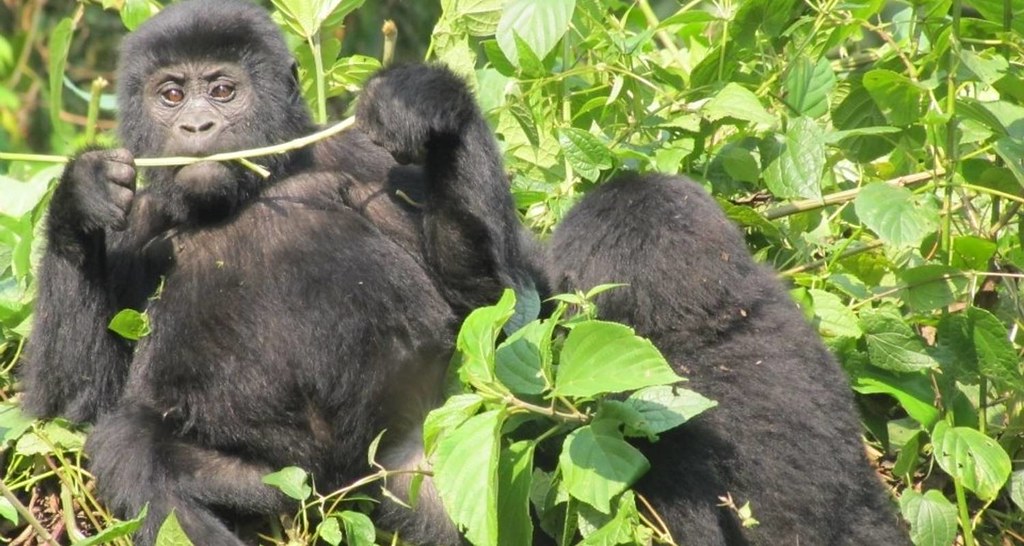
However, some treks may actually be shorter during the rainy season. Gorilla groups sometimes stay near trail-accessible feeding zones due to cooler temperatures and denser edible vegetation. Trackers who follow gorilla groups from dawn are often in contact with the apes well before the tourist groups depart, and because food is abundant near their home ranges, gorilla families do not move as far.
Gorilla Behaviour and Sightings
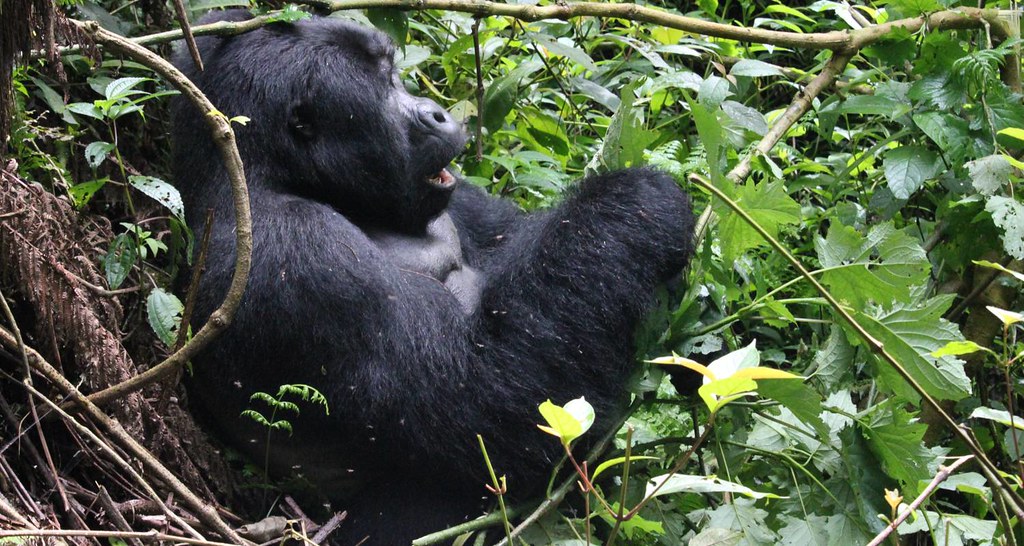
Gorilla behaviour does not follow tourism logic. These primates are not discouraged by rainfall and do not retreat into hidden shelters when it rains. They remain within their defined home ranges year-round, rain or shine. Trackers stay close to known nests, dung trails, and feeding sites, and report movements to park headquarters in real time. The success rate of gorilla sightings remains extremely high year-round.
Visibility and Photography
Visibility differs significantly between the dry and rainy seasons. During the dry season, clearer skies and less mist allow stunning mountain views and better light for photography. During the rainy season, mist often blankets the forest, creating a mystical atmosphere perfect for dramatic close-up shots of gorillas but reducing long-range visibility. Rain transforms the forest into a vibrant green paradise, and the volcanic slopes become dramatic backdrops.
Crowd Levels
The rainy season attracts fewer tourists, which means more personalised treks and easier permit availability. Daily treks are limited to eight visitors per gorilla group, but in the low season, groups often depart with five or fewer, creating a quieter, more exclusive experience.
Costs
During the rainy season, permit availability is more flexible, and some lodges near Volcanoes National Park offer lower rates. While gorilla permit prices remain fixed at $1,500 for international tourists, the overall safari costs may be slightly reduced through accommodation discounts.
Pros of Rainy Season Trekking
Fewer Tourists and More Privacy: The park atmosphere feels quieter and more exclusive. For travellers who prefer peaceful nature experiences and fewer crowds, the rainy season is ideal.
Lush Green Landscapes and Stunning Photography: Rain transforms the forest into a vibrant green paradise. The mist-covered mountains add a magical touch to the entire experience.
Better Gorilla Permit Availability: During peak season, Rwanda gorilla permits often sell out months in advance. In contrast, the rainy season provides more flexibility for last-minute planning.
Possible Lodge Discounts: Some lodges offer lower rates during rainy months, reducing overall safari costs.
Shorter Trekking Distances Are Sometimes More Likely: In rainy months, mountain gorillas often stay closer to feeding areas at lower altitudes, and rangers note that groups like Amahoro are regularly located within a 90-minute walk of the trailhead.
Cons of Rainy Season Trekking
Muddy and Slippery Trails: The biggest challenge is muddy terrain. Forest trails can become slippery, especially on steep slopes.
Occasional Heavy Rainfall: While rain often comes in short showers, there may be days of heavier rainfall that can delay departures as rangers reassess route conditions.
Increased Physical Demand: The forest becomes heavier with moisture—clothes cling, steps sink deeper into the mud, and air pressure at higher altitudes becomes more noticeable when humidity spikes.
Gear Vulnerability to Water Ingress: Even waterproof gear reaches its limits after prolonged exposure. Boots may fill with runoff on steep slopes, and rain jackets can soak through seams and zippers.
Limited Clear Mountain Views: During rainy months, cloud cover may reduce visibility of the Virunga volcano peaks, though many travellers find the misty atmosphere equally beautiful.
Essential Travel Tips for Rainy Season Trekking
Wear Proper Footwear: Invest in waterproof hiking boots with strong grip and good ankle support. Break them in well before your trip.
Pack a Rain Jacket: A lightweight waterproof jacket is essential. Ensure it has a hood and sealed seams.
Use Gaiters: Gaiters are invaluable for keeping mud, water, and debris out of your footwear.
Protect Camera Equipment: Bring waterproof covers or dry bags for cameras and electronics.
Hire a Porter: Porters provide stability on slippery slopes, carry your daypack, and enhance safety. For a small fee, around $15–20, they make a world of difference.
Bring Gloves: Gardening gloves protect your hands from nettles, thorns, and rough bark when grabbing branches for balance.
Use Trekking Poles: Walking sticks are provided at the park headquarters and are extremely helpful for balance on steep and slippery slopes.
Carry Extra Socks and Quick-Dry Clothing: Changing into dry socks mid-trek can be a lifesaver.
Start Trek Early: Morning departures help avoid heavier afternoon rainfall.
Pack Light: Only carry what you absolutely need for the day. Use a waterproof cover for your daypack or line the inside with a dry bag.
What a Rainy Season Trekking Day Looks Like
Early Start (4:30–5:00 AM): A 2–3 hour drive to the park as cool, misty conditions set the tone for the day.
Morning Briefing (7:00–8:00 AM): Damp ground and light cloud cover linger from overnight rain. Rangers assess weather and assign gorilla families based on tracking data.
Trekking Begins: Lasting anywhere from 1 to 6 hours depending on gorilla movement. Trails are slightly muddy and vegetation is wet, so pacing is steady and more deliberate than in drier months.
Gorilla Encounter: Occurs in soft, diffused light—ideal for visibility, photography, and observing subtle behaviours. Gorilla families are often active between light rain breaks.
Return Hike: Feels more manageable as conditions stabilise, usually finishing early to mid-afternoon.
Back to Lodge or Kigali: Late afternoon or early evening, depending on distance.
Who Should Consider Rainy Season Travel?
Gorilla trekking during the rainy season is ideal for:
-
Photographers seeking dramatic mist and lush greenery
-
Couples seeking privacy and quieter experiences
-
Budget-conscious travellers looking for potential lodge discounts
-
Flexible itinerary planners who prefer easier permit availability
-
Repeat visitors wanting a different perspective on the park
Those who prioritise dry hiking conditions may prefer peak dry season months from June to September and December to February, but rainy season travel remains highly rewarding.
Rainy Season vs Dry Season Comparison
| Factor | Rainy Season | Dry Season |
|---|---|---|
| Crowd Levels | Lower | Higher |
| Permit Availability | Easier | Limited |
| Trail Conditions | Muddy, slippery | Drier, firmer |
| Landscape | Lush & green | Clear & sunny |
| Photography | Dramatic mist | Bright visibility |
| Costs | Possible lodge discounts | Peak rates |
Both seasons offer unforgettable experiences. The rainy season rewards prepared travellers with quieter trails, vibrant scenery, and the same extraordinary mountain gorilla encounters that make Rwanda famous.
Verdict
Yes, gorilla trekking in Rwanda during the rainy season is absolutely worth it. Despite occasional mud and rain, the experience provides quieter trails, lush scenery, and the same extraordinary mountain gorilla encounters that draw visitors from around the world.
The forest becomes a magical, misty world of deep greens and dramatic light. Gorilla sightings remain virtually guaranteed, and sometimes treks are shorter as families stay close to abundant feeding areas. For adventurous travellers, it truly feels like discovering a hidden gem.
Pack properly, hire a porter, and embrace the elements. The gorillas are waiting, rain or shine.