

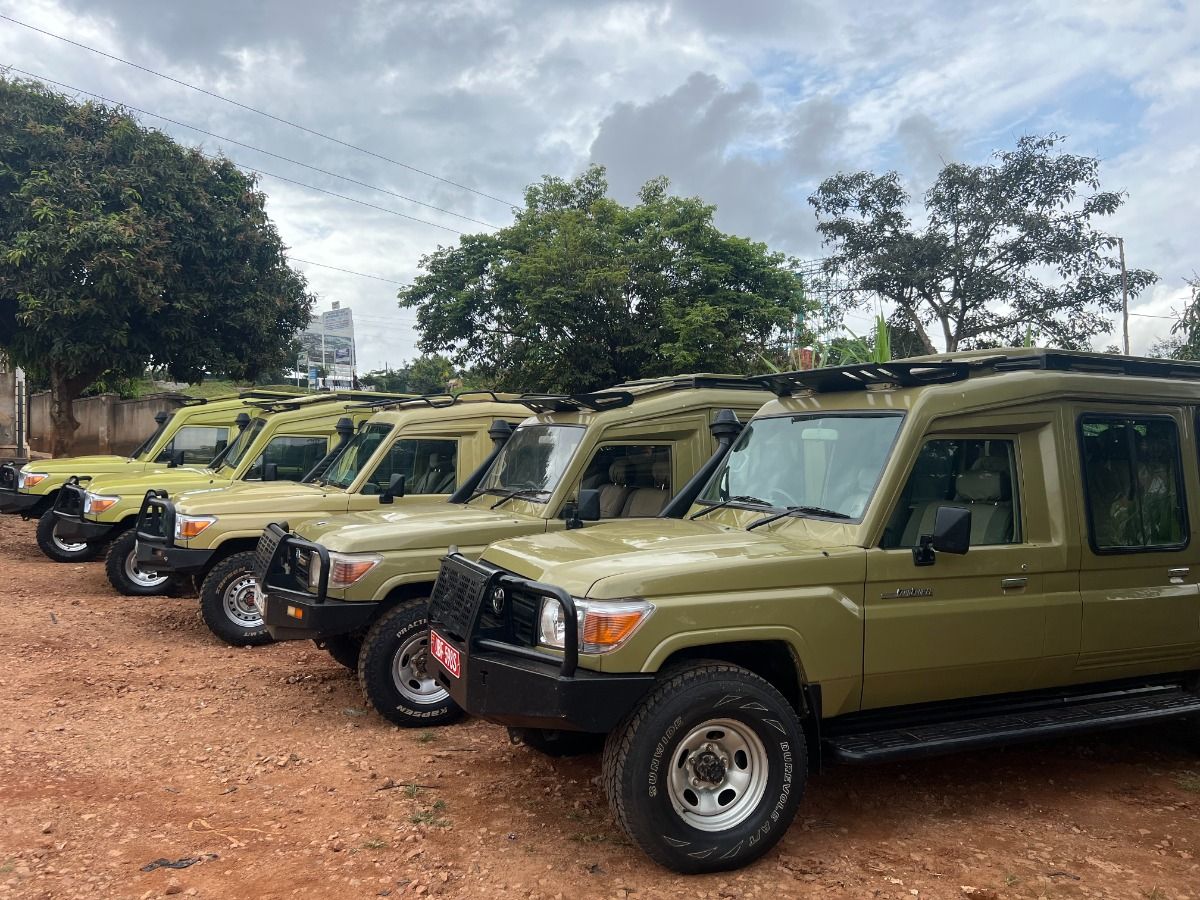
Do Group Safaris Include Park Fees? Guide to Understanding Wildlife Conservation Charges
Introduction: The Critical Role of Park Fees in African Safaris
When planning an African safari, understanding park fees is as essential as choosing your destinations or packing the right gear. These mandatory conservation charges significantly impact both your travel budget and the sustainability of Africa’s precious ecosystems.

Park fees typically include:
-
Daily conservation charges (per person)
-
Vehicle entry fees
-
Community development levies
-
Sometimes camping or activity surcharges
The inclusion of these fees in safari packages varies dramatically between operators, with price differences often exceeding $1,000 for multi-day tours. This guide will provide exhaustive detail on navigating this complex but crucial aspect of safari planning.
Chapter 1: The Anatomy of African Safari Park Fees
1.1 Conservation Fees: The Backbone of Wildlife Protection
Every major African safari destination implements conservation fees that directly fund:
-
Anti-poaching units
-
Ranger salaries and equipment
-
Wildlife research programs
-
Habitat restoration projects
Example Breakdown (Serengeti National Park 2024):
-
Adult foreign visitor: $82 per day
-
Child (5-15 years): $23.50 per day
-
East African resident discount: 60% reduction
1.2 Vehicle Fees: The Hidden Cost Factor
Unlike conservation fees, vehicle charges apply per jeep rather than per person:
-
Standard safari vehicle (6-8 seats): $40-60 daily
-
Large overland truck: $80-120 daily
-
Private conservancy supplement: +$30-50
1.3 Seasonal Variations and Special Levies
Many parks implement dynamic pricing:
-
Peak season (July-Oct): +15-25%
-
Shoulder season: Standard rates
-
Green season: Discounts up to 30%
-
Special event surcharges (e.g., wildebeest crossing periods)
Chapter 2: Group Safari Pricing Models Compared
2.1 All-Inclusive Operators (Fees Included)
Premium operators like &Beyond and Singita typically bundle all fees, offering:
Advantages:
-
Predictable total cost
-
No surprise payments during travel
-
Often includes premium park access
Disadvantages:
-
Higher upfront pricing
-
Less fee transparency
2.2 Partially Inclusive Operators
Mid-range companies may use hybrid models:
Common Inclusions:
-
Basic park entry
-
Standard vehicle fees
Common Exclusions:
-
Special reserve access
-
Night drive permits
-
Walking safari supplements
2.3 Budget Operators (Fees Excluded)
Companies like G Adventures often list fees separately:
Typical Additional Costs:
-
$70-150/day conservation fees
-
$50-80/day vehicle charges
-
$20-30 community levies
Chapter 3: Country-by-Country Park Fee Breakdown
3.1 Tanzania: The High-Cost, High-Reward Destination
Serengeti National Park Fee Structure (2024):
-
Adult foreign visitor: $82/day
-
Child (5-15): $23.50/day
-
Vehicle fee: $40/day
-
Crater service fee: $295/vehicle
Ngorongoro Conservation Area:
-
Additional $70/person/day access fee
3.2 Kenya: Tiered Pricing System
Masai Mara National Reserve:
-
High season (Jul-Oct): $100/person/day
-
Low season: $80/person/day
-
Vehicle fee: $50/day
Private Conservancies:
-
Additional $70-120/person/day
3.3 Botswana: Premium Wildlife at Premium Prices
Okavango Delta Fees:
-
$120/person/day
-
$80/vehicle/day
-
$30 community levy
Chobe National Park:
-
$65/person/day
-
$50/vehicle/day
Chapter 4: Calculating True Safari Costs
4.1 The All-Inclusive Illusion
Many “all-inclusive” safaris actually exclude:
-
Premium park zones
-
Special activities
-
Transit days between parks
4.2 Budget Safari Math: A Case Study
7-Day Tanzania Budget Safari:
-
Advertised price: $1,800
-
-
Park fees ($82×7): $574
-
-
-
Vehicle fees ($40×7): $280
-
-
-
Community levy ($20×7): $140
-
-
True cost: $2,794 (55% higher than base)
4.3 Luxury Safari Value Proposition
7-Day High-End Tanzania Safari:
-
All-inclusive price: $5,200
-
Covers all fees and premium access
-
Includes private conservancy visits
Chapter 5: Strategies for Managing Park Fees
5.1 Timing Your Visit
Fee Reduction Opportunities:
-
Kenya’s “Green Season” (Apr-May): 25% discount
-
Tanzania’s shoulder season: Waived transit fees
-
Botswana winter: Lower vehicle charges
5.2 Group Size Optimization
Cost Efficiency Tips:
-
6-person vehicle maximizes fee分摊
-
Private groups can negotiate concessions
-
Large families may qualify for discounts
5.3 Alternative Destination Savings
Lower-Fee Options:
-
South Africa’s Kruger: $25/day
-
Zambia’s South Luangwa: $50/day
-
Namibia’s Etosha: $15/day
Chapter 6: Ethical Considerations of Park Fees
6.1 Where the Money Really Goes
Typical Allocation:
-
60% Conservation efforts
-
20% Community development
-
15% Infrastructure
-
5% Administration
6.2 The Poaching Prevention Impact
$100 in park fees typically funds:
-
3 ranger patrol days
-
5 camera traps
-
0.5km of fence maintenance
6.3 Community Benefits Breakdown
Per tourist fees support:
-
School programs
-
Medical clinics
-
Sustainable agriculture projects
Chapter 7: Future Trends in Park Fee Structures
7.1 Dynamic Pricing Models
Emerging Systems:
-
Real-time demand pricing
-
Conservation priority surcharges
-
Carbon offset integrations
7.2 Digital Payment Innovations
New Technologies:
-
Blockchain fee tracking
-
Mobile pre-payment systems
-
Automated permit verification
7.3 Climate Change Adjustments
Expected Changes:
-
Drought condition surcharges
-
Habitat restoration levies
-
Wildlife corridor premiums
Conclusion: Making Informed Safari Choices
Understanding park fee inclusion is arguably the most important factor in safari budgeting. While all-inclusive tours offer simplicity, savvy travelers can sometimes save significantly by booking fee-exclusive packages during low seasons or at alternative destinations.
Key Takeaways:
-
Always verify exactly which fees are included
-
Calculate true costs before comparing packages
-
Consider traveling during shoulder seasons
-
Larger groups fees more efficiently
-
Park fees directly fund crucial conservation work
Remember that these fees represent an investment in preserving Africa’s wildlife heritage. By understanding and properly budgeting for them, you ensure both a financially predictable safari and a meaningful contribution to conservation. Book Now!