


Dian Fossey: Hiking to Her Gorilla Research Centre in Rwanda
The first time I stood at the trailhead, I had no idea what I was getting into.
It was one thing to read about Dian Fossey—to admire her from the safety of a documentary or a book. It was another thing entirely to follow in her footsteps, to climb the same volcanic slopes she’d climbed, to stand where she’d stood, to see the forest she’d called home for eighteen years.
The Karisoke Research Center sits high in the Virunga Mountains, at an elevation of around 3,000 meters. It’s not a tourist attraction in the traditional sense. There’s no café, no gift shop, no paved path. Just a steep, muddy trail through dense vegetation, a small museum at the top, and a cemetery where Dian Fossey is buried.
Getting there is a hike—a real one. Upwards of three hours on foot, depending on your fitness and the weather. It’s not technical, but it’s physically demanding. The altitude is high, the terrain is steep, and the rain can turn the trail into a mudslide.
But when you finally arrive, standing in the misty forest where Fossey lived and worked and died, you understand why she chose this place. It’s wild. It’s remote. It’s beautiful.
Here’s what it’s really like to hike to the Karisoke Research Centre.
Who Was Dian Fossey?
Before the hike, you should know who she was.
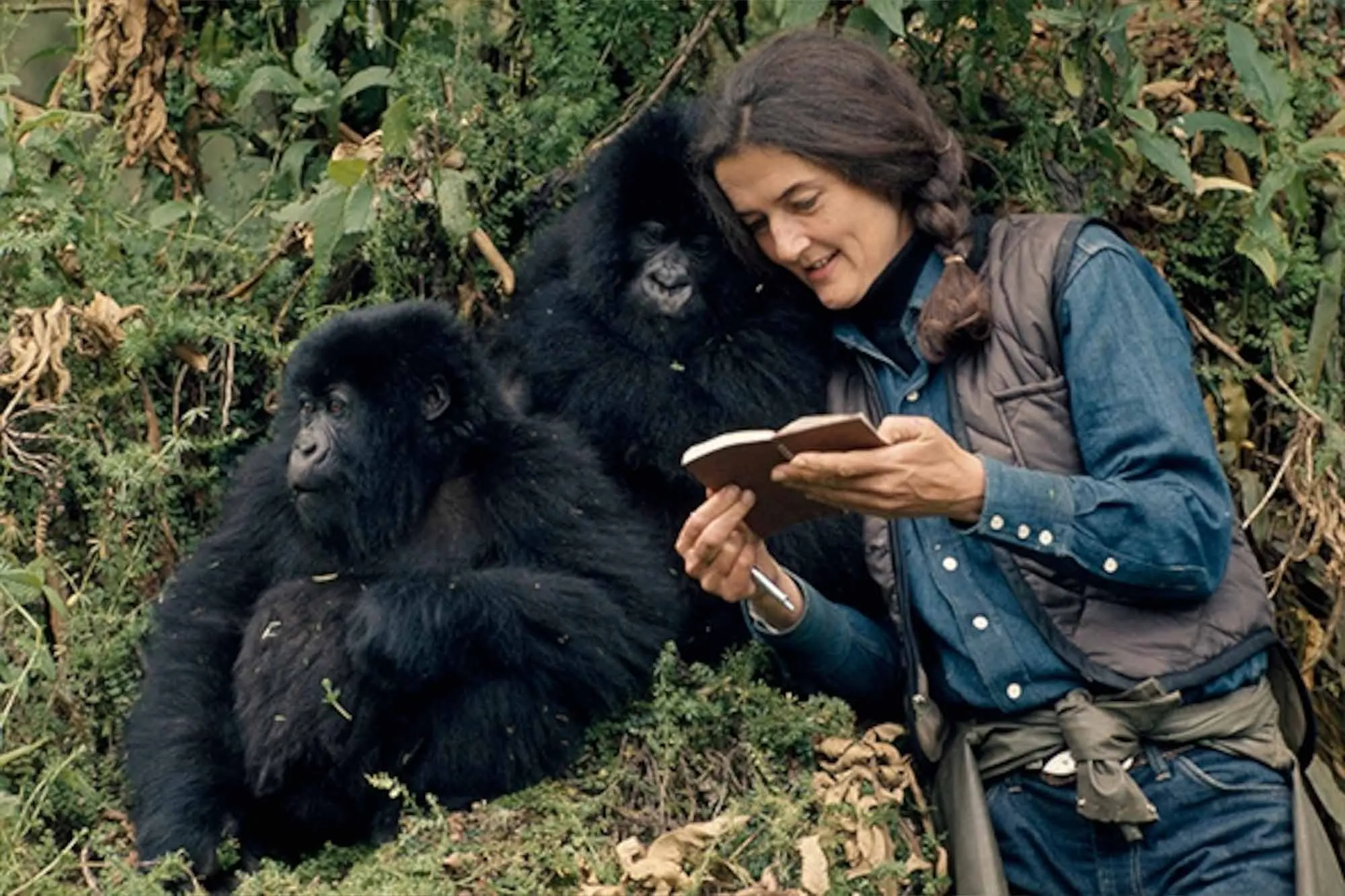
Dian Fossey was an American primatologist who dedicated her life to studying and protecting mountain gorillas. She arrived in Rwanda in 1967, established the Karisoke Research Center, and spent eighteen years living in the forest, observing gorilla behavior and fighting against poaching.
She was brilliant, stubborn, and controversial. She alienated the Rwandan government, fought with other researchers, and clashed with local communities. But she was also effective. Her work helped change the perception of gorillas from aggressive monsters to gentle, intelligent beings. She helped bring international attention to gorilla conservation.
In 1985, she was found murdered in her cabin at Karisoke. Her killer has never been identified, though it’s widely believed she was killed by poachers.
Today, the Karisoke Research Center is run by the Dian Fossey Gorilla Fund. It continues her work—monitoring gorilla families, training local trackers, and supporting conservation efforts.
Getting There
The hike to the research center starts near the headquarters of Volcanoes National Park in Rwanda. The exact trailhead depends on the day, as the park rangers assign groups to different routes to prevent overcrowding.
You’ll need a permit. The cost is around $75 per person, which includes a guide, a ranger, and entry to the museum. You can book in advance through the Rwanda Development Board or through a tour operator.
The hike itself is about three hours each way. The trail is steep and muddy, with sections that require scrambling over rocks and roots. There are no paths, no stairs, no signs—you follow the guide through the forest.
What to Bring
-
Sturdy hiking boots. Broken in, waterproof, with good tread. The mud is relentless.
-
Long pants and long sleeves. The vegetation is thick and stinging nettles are abundant.
-
Rain jacket. It will rain. Probably.
-
Sun protection. Even in the forest, the sun can be strong at high altitude.
-
Water and snacks. There are no refreshment stands along the way.
-
Camera. The views of the volcanoes are stunning.
-
A small donation. The center accepts donations for the Dian Fossey Gorilla Fund.
-
Patience. The hike is slow going, and the altitude will slow you down.
The Hike
The trail begins in the fields at the base of the mountains. You’ll pass through small farms, walking past terraced hillsides and grazing cattle. It’s peaceful, open, and deceptively easy.
Then the forest starts.
The farmland gives way to bamboo thickets, then to dense, green vegetation. The trail narrows. The mud deepens. The ground steepens.
The first hour is the hardest. The altitude is above 2,500 meters, and your lungs will feel it. Every step requires effort. You’ll stop frequently to catch your breath.
As you climb, the landscape changes. The bamboo gives way to giant heather trees, their trunks twisted and covered in moss. The mist rolls in and out, giving the forest an eerie, otherworldly feel.
Your guide will point out wildlife along the way. Birds, monkeys, and sometimes even gorilla nests—the gentle giants have been spotted here, though usually farther up the mountain.
After about two and a half to three hours, you’ll arrive at the research center.
The Centre
The Karisoke Research Center is small and modest. There’s a visitor center with exhibits about Fossey’s life and work, a small museum, and a graveyard where Fossey is buried.
The exhibits are simple but powerful. Photographs of Fossey, the gorillas, and the research station in its early days. Items from her cabin. Handwritten notes and field journals. The details paint a picture of a woman who was obsessive, dedicated, and deeply connected to the forest.
Next to the centre is a small cemetery. This is where Fossey is buried, alongside a few other researchers and rangers who dedicated their lives to gorilla conservation. The graveyard is simple, serene, and surrounded by wildflowers.
The guide will explain the history of the centre and the work that continues today. It’s remarkable to think that Fossey lived here, alone, in the 1960s and 70s, without electricity, running water, or any modern conveniences. Her commitment is almost unfathomable.
The Grave of Dian Fossey
Fossey’s grave is marked with a small headstone bearing her name and the dates of her birth and death.
Nearby is the grave of a gorilla named Digit, one of her favorites. Digit was killed by poachers in 1977, and Fossey was devastated. She had Digit’s grave added to the cemetery.
The symbolism is powerful—Fossey and Digit resting side by side, forever connected.
What to Expect Emotionally
The hike is physically demanding, but it’s also emotionally intense.
Standing in the place where Fossey lived and died, surrounded by the forest she loved, can be overwhelming. You’ll feel her absence and her presence at the same time.
The cemetery is quiet and peaceful. The bird songs and rustling leaves feel like a gentle goodbye.
The Karisoke experience is not just a hike. It’s a pilgrimage. A way of honoring someone who gave her life to protect something she loved.
What Not to Do
Don’t take photos in the cemetery. It’s disrespectful.
Don’t touch anything in the museum. The items are fragile and irreplaceable.
Don’t treat it as a tourist attraction. The Karisoke Research Center is a place of remembrance and research, not a photo opportunity.
Don’t leave anything behind. Take all your trash with you.
Thought
Fossey once said, “When you realize the value of all life, you dwell less on what is past and concentrate on the preservation of the future.”
That’s what the hike to Karisoke is all about.
It’s not about the destination—though the research center is moving. It’s not about the exercise—though you’ll definitely get a workout. It’s about the commitment to something bigger than yourself. The dedication to the wild.
Hiking to her research center is a way of honoring that commitment.