


Can Someone in a Wheelchair or With Limited Mobility Go Gorilla Trekking?
I remember staring at my laptop, that question burning in my mind. My hands were shaking a little. Not from fear, but from hope. See, my aunt uses a wheelchair. And ever since she saw a documentary about mountain gorillas, she’s been dreaming of that moment—a silverback looking right at her, just meters away. But the internet kept shouting “rugged terrain,” “steep climbs,” “not for everyone.” It felt like the door was slamming shut.
Can someone in a wheelchair or with limited mobility go gorilla trekking?
Honestly? Yes. But not in the way you see on Instagram reels of fit hikers slipping in mud. You have to be smart about it. You need the right park, the right team, and a willingness to let strangers help you in ways that might feel awkward at first. In Uganda’s Bwindi and Rwanda’s Volcanoes National Park, rangers now offer sedan chairs—basically a sturdy seat on poles carried by four strong porters. They’ll lift you over fallen logs and mud pits while you hold onto your camera for dear life. It’s not glamorous. It’s actually a little bumpy. But it works. You’ll move slower than the main group, and that’s fine. The gorillas aren’t checking their watches.
What animals will you actually see?
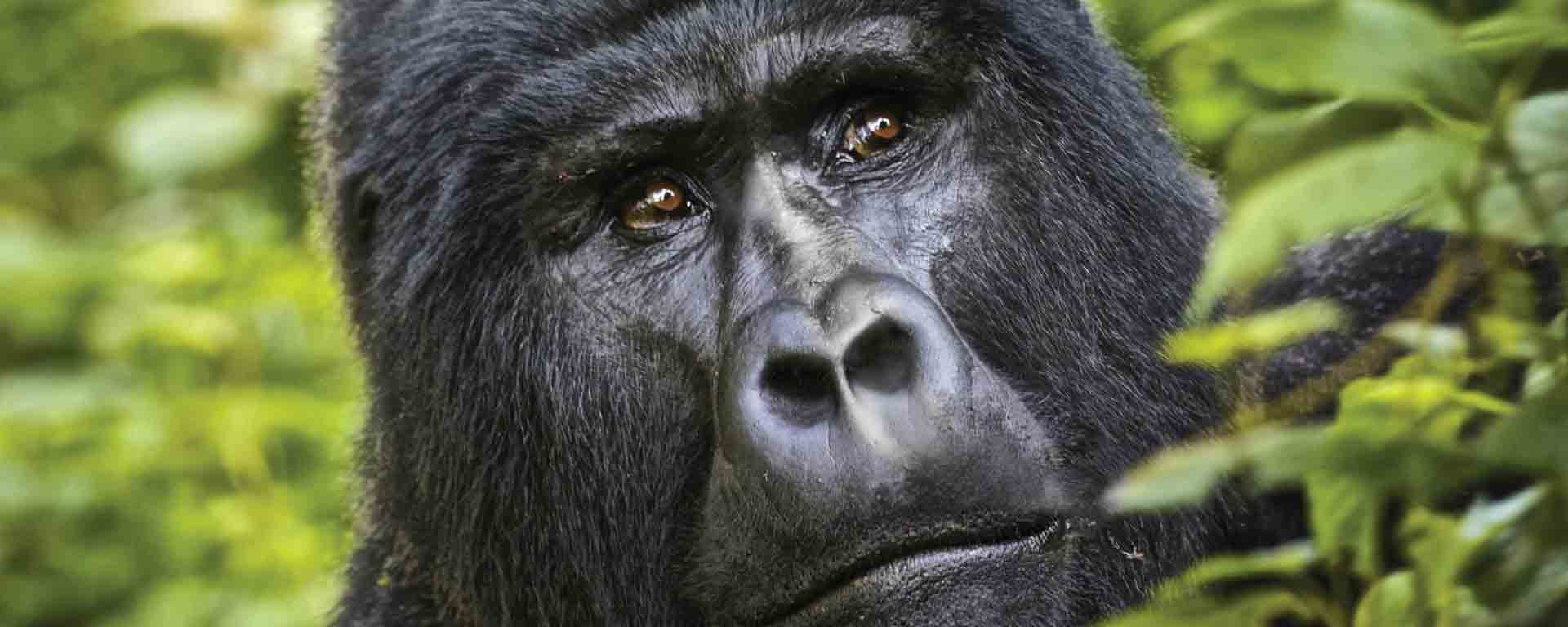
The main stars are the mountain gorillas, and let me tell you—no screen prepares you for that. We sat there, my aunt in her sedan chair, and a baby gorilla rolled right past her wheel. Just rolled past like she was a rock in a river. The mother followed, dragging a branch. No hurry. No fear. My aunt cried. I pretended I had dust in my eyes. You’ll also spot golden monkeys if you’re lucky—they move like little acrobats on caffeine. And in the forest around you, chameleons that look like tiny dinosaurs, butterflies bigger than your palm, and birds that sound like laughing people. The animals don’t care about your mobility. They only care if you’re quiet and kind.
What about the local people?
Here’s what no one tells you: the cultural part might actually be your favorite memory. After the trek, we visited a village near Volcanoes National Park. They’d flattened a path just for my aunt.
Women in bright fabrics danced so hard the ground shook. Then an old man—must have been eighty—sat next to her wheelchair and showed her how to peel a sugarcane with his teeth. She laughed so loud the goats ran away. Later, a group of Batwa women taught us to weave baskets while sitting on simple mats. No one rushed. No one stared at her chair. They just passed her the reeds and said, “You try.”
That’s the real gift of this place. You stop feeling like “someone with limited mobility” and just become another person sharing a story.
. The Batwa Cultural Experience (Uganda/Rwanda)
Planning a gorilla trek in Bwindi, Mgahinga, or Volcanoes National Park? Add this moving encounter with the Batwa, the original “keepers of the forest.” Instead of just watching, you’ll walk with them as they point out hidden caves where their ancestors once lived, teach you how to set a simple trap, and show you which roots and leaves can stop a wound from bleeding. The most unforgettable moment? Gathering around a small fire as Batwa women lift their voices in a haunting melody—music that feels less like a performance and more like a prayer for a way of life that’s almost gone.
2. The Bakiga Village Walk (Lake Bunyonyi, Uganda)
After the intensity of the forest, Lake Bunyonyi offers a gentle reset. Just a few hours from Bwindi, this is where the Bakiga people turn steep hillsides into art—each terrace a family’s story written in soil and sweat. You’ll hop into a dugout canoe to reach an island where a local elder might show you how coffee beans become a morning brew. Or walk through the farms, pausing to help a grandmother carry firewood or share a quiet laugh with children who run to hold your hand. No rush. No script. Just life happening.
3. Azizi Life Experiences (Rwanda)
Trekking in Volcanoes National Park? Take a short detour to Ruhondo, but leave your expectations behind. This isn’t a performance—it’s a Wednesday. You might find yourself knee-deep in a potato field, learning why Rwandans plant in mounds. Or sitting on a mat, struggling to make a sisal basket while a woman half your age finishes hers in minutes, grinning. The quiet power here is in the conversations: a widow and her neighbor’s son, from opposite sides of the genocide, sharing a meal they cooked together. You won’t just witness reconciliation—you’ll taste it.
4. Iby’Iwacu Cultural Village (Rwanda)
At the base of the Virunga volcanoes, something unexpected is happening. The men leading your tour once set snares for antelope; now they show you how to twirl a traditional spear without hurting anyone. You’ll try your hand at pounding millet, get wildly inaccurate with a bow and arrow, and find yourself laughing at your own clumsiness. But the quiet moment comes when a former poacher points up at the forest and says, “That mountain used to feed my family illegally. Now it feeds my pride.” You realize the gorillas aren’t the only ones who got a second chance.
When’s the best time to go?
Please don’t go in the rainy season if you use wheels or walk slowly. Just don’t. I say that with love. March to May and October to November turn trails into chocolate pudding. You’ll sink, porters will slip, and everyone ends up laughing but exhausted. Aim for June to September or December to February. The ground is firmer, the sun peeks through more often, and your chair won’t collect two kilos of mud. That said, January is my secret favorite. Fewer tourists, cooler air, and the paths are still solid. One tip: book your trek for the morning. Afternoon rains can sneak in, and getting stuck on a mountain at 3 PM is not the adventure you want.
Where will you sleep?
I was honestly worried about this part. I imagined tiny tents with zippers on the floor. But lodges have gotten so much better. In Rwanda, we stayed at a place where they’d built a ramp right into the forest—no joke, you could roll from your bed to a deck overlooking the bamboo. The bathroom had grab bars and a shower seat that didn’t wobble. In Uganda, a smaller lodge converted an old bandahut by widening the door and smoothing the dirt path with gravel. Don’t trust booking photos. Call them. Ask, “Can a wheelchair turn around in the toilet?” If they hesitate, move on. The good ones will answer with confidence because they’ve actually thought about it. Some even offer accessible vans to take you from the lodge to the park gate. No lifting, no stress.
Can someone in a wheelchair or with limited mobility go gorilla trekking?
After watching my aunt lock eyes with a silverback named Muhozi—just ten feet away, no glass, no fence—I can tell you: yes. It takes more planning. It costs more money for extra porters. You might feel like a burden for five minutes until you realize the porters are grinning because they love showing off their forest.
And that last time I’ll ask the question: Can someone in a wheelchair or with limited mobility go gorilla trekking?
You already know my answer. Go. The gorillas are waiting. They don’t care how you got there. They just want to see who showed up.