


Can Gorillas Transmit Diseases to Humans During Trekking?
First off, yes, I had the same weird worry you probably have. Before I went, I kept thinking: wait, what if I catch something from them? Or worse, what if I give them something? It felt like a silly thing to ask out loud, but I asked it anyway. And the ranger just smiled and said, “That’s actually a really good question.” So let me just tell you what I learned.
The Morning
You wake up in the dark. Like, before-the-birds dark. You pull on pants that you don’t care about ruining forever. You eat a banana while standing up. Then you get in a car that bounces down a road that doesn’t even qualify as a road. By the time you reach the park gate, you’re already tired. And you haven’t even started yet.
They split everyone into groups. You get a walking stick. You think, “I’m strong, I don’t need this.” Take the stick. Trust me.
Then you walk. And walk. And slip. And grab a vine to stop yourself from falling. And step in mud that swallows your whole boot. And somewhere around hour two, you start asking yourself why you paid money for this.
And then the tracker’s radio crackles. He turns around and whispers, “Five minutes.” And suddenly you’re not tired anymore.
When You Finally See Them
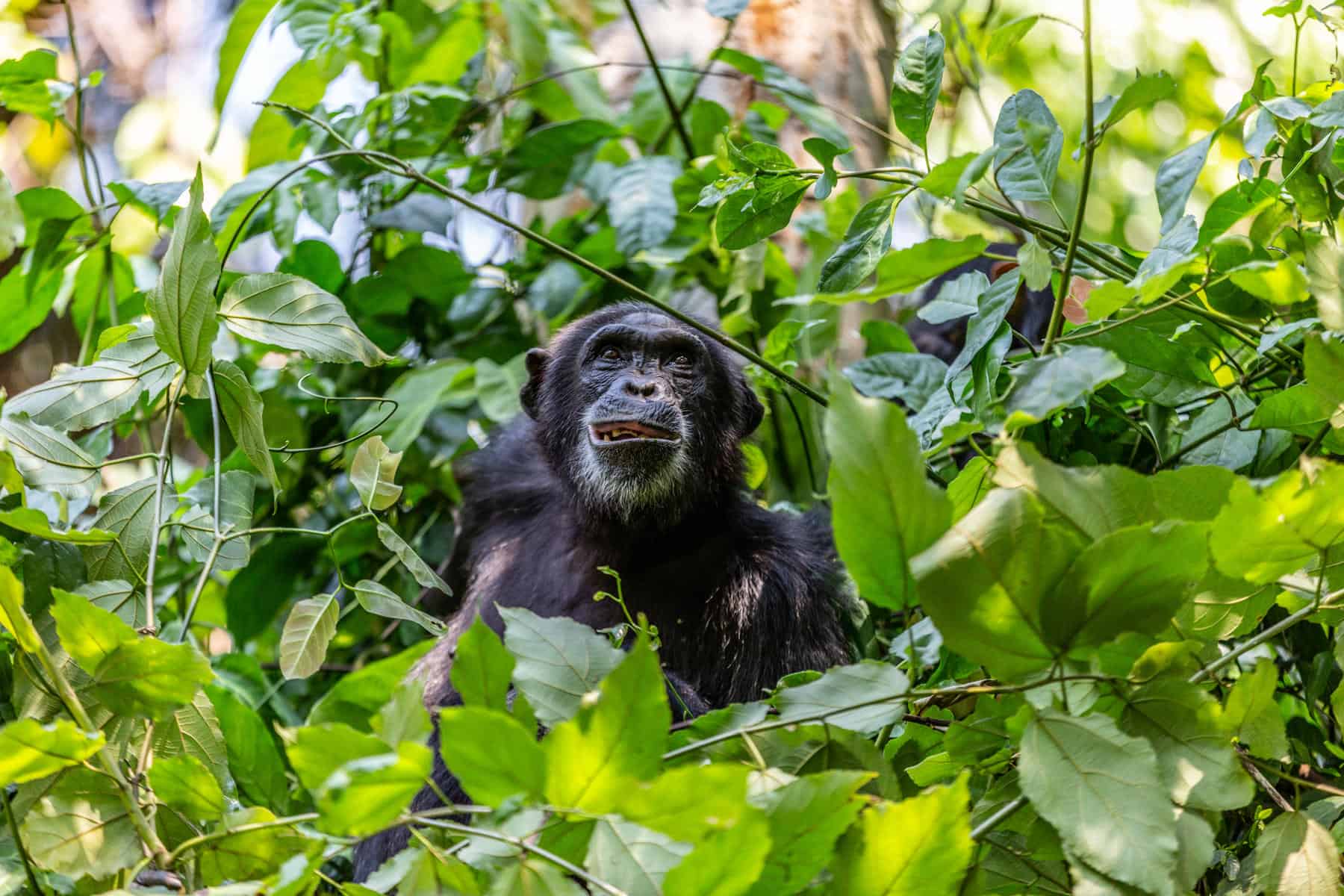
You crawl through some stinging nettles—yeah, that’s a real thing, they sting—and then you look up. And there they are. A whole family of gorillas just… hanging out. A mom picking leaves off a branch like she’s got all day. A baby rolling down a little hill, getting up, rolling down again. Having the time of its life.
And the silverback. He’s huge. Bigger than you imagined. He’s sitting there eating a celery-looking plant, and every few seconds he glances at your group like, “Yeah, I know you’re there. Just don’t be weird about it.”
You forget to take photos. Your phone is in your pocket the whole time. And you don’t even care.
The Other Animals Nobody Mentions
On the way up, you’ll see stuff that has nothing to do with gorillas. I saw a monkey with a white beard. A real beard. It looked like a tiny philosophy professor. There were these golden monkeys that jumped from tree to tree so fast I couldn’t even count them. And at one point, something ran across the trail in front of me—a forest hog, the guide said. I only saw its butt. Still counts.
Oh, and the birds. There’s one called the great blue turaco that looks like a kid designed it with markers. Bright red wings, blue body, yellow beak. It landed right above my head and screamed at me. I screamed back a little. We had a moment.
Albertine Rift Endemics – the forests are a premier birding destination. Look out for the Rwenzori Turaco, Shelley’s Crimsonwing, and various sunbirds, hornbills, and barbals.
Reptiles & Amphibians: Chameleons and Frogs – colorful tree chameleons and unique amphibians are often spotted by eagle-eyed local guides on the trek.
The People You Meet
Okay, so here’s the part that surprised me. The gorillas were incredible. Life-changing. All of that. But the people? I wasn’t ready for them.
After the trek, a woman named Grace invited me to her village. She didn’t speak much English. I didn’t speak her language. But she took my hand and walked me to her house. One room. Dirt floor. A pot over a fire. She handed me a bowl of beans and something green I couldn’t name, and she sat across from me and just smiled. Like I was her own kid coming home for dinner.
Later, some kids grabbed my hands and pulled me into a dance circle. I have no rhythm. I’m tall and clumsy. But they didn’t care. We just jumped around and laughed until my stomach hurt. I think about those kids more than I think about the gorillas sometimes. Don’t tell anyone I said that.
When To Go
I went in November. Everyone said not to. “It’s the rainy season,” they said. “You’ll be miserable.”
They were right about the rain. It poured. My boots squelched for three days. I smelled like a wet dog. But the forest? It was the greenest green I’ve ever seen. Waterfalls were everywhere. And because nobody else was dumb enough to come in November, I had the gorillas almost to myself.
If you want dry trails and easy walking, go from June through September. That’s the busy season. Everything costs more, but your socks stay clean. If you’re broke or you hate crowds, try the rainy months. Just bring a good jacket and a good attitude.
Where to Sleep
You don’t need anything fancy. I promise.
I stayed at a little guesthouse run by a family. The bed was thin. The shower was a bucket with a ladle. But the mom who ran the place kept bringing me tea and checking if I was warm enough. She didn’t speak English, so she just touched my shoulder and pointed at the fire.
There are expensive lodges if you want them. Fancy places with hot tubs and room service. But honestly, after a day of hiking, you’ll be so tired you could sleep on a rock. Save your money. Spend it on an extra day in the forest instead.
The Question You Keep Wondering About
Okay, let me just say it. Can gorillas transmit diseases to humans during trekking? Yes. Technically. Because we’re almost the same under the skin. So yeah, in some rare situation, they could pass you something.
But here’s what the rangers told me, and it stuck with me. What happens way more often is the other way around. Someone shows up with a little cough they think is nothing. They don’t say anything because they don’t want to miss the trek. And then that gorilla family gets sick. For them, a human cold can turn into something really bad. Really fast.
So the day of your trek, they’ll check your temperature. They’ll ask how you feel. Don’t lie. If your throat feels weird, just stay back. Read a book. Take a nap. The gorillas will still be there tomorrow. They’ve been there for a long time. They can wait one more day.
The Feeling Afterwards
You leave the forest covered in mud and sweat and probably some nettle stings. You’re exhausted. You can barely walk. And yet, you’re already thinking about how to come back.
That worry you had—can gorillas transmit diseases to humans during trekking?—It fades away. Because standing there, watching a baby gorilla play with its own foot like it’s the most interesting thing in the world, you realize something. We’re not that different. You, me, the silverback, the mom making you tea. We’re all just trying to get by.
Go see for yourself. Just bring good boots and an honest answer when they ask how you feel. That’s all it takes.