


Best Time to Visit Rwanda: Gorilla Trekking Seasons Explained
The first time I planned a gorilla trek, I assumed any time was fine. I mean, the gorillas are there year-round, right? They don’t migrate. They don’t hibernate. Show up whenever, see gorillas, go home.
Then I started reading about Rwanda’s weather, and I realized how wrong I was.
It’s not that you can’t trek in the rainy season. You absolutely can. But the difference between a dry-season trek and a wet-season trek is like night and day. One is a pleasant hike through a beautiful forest. The other is sliding down mud slopes, soaked to the bone, wondering why you didn’t pack better boots.
I’ve done both. And I’ve got strong opinions. Here’s the honest breakdown of when to go.
The Short Answer (For Impatient People)
Best overall: June to September and December to February. These are the dry seasons. Trails are firm. Visibility is good. The trekking is easier.
Best for budget travelers: March to May and October to November. Rainy seasons. Fewer crowds. Lower lodge prices. More mud.
Best for photography: The rainy seasons, honestly. The mist and greenery make for spectacular shots. Just bring a rain cover for your camera.
Most popular: July and August. Peak season. Book permits and accommodation months in advance.
Least crowded: April and November. The wettest months. Quiet trails. Intimate experiences.
There’s no bad time to see gorillas. But there are better times than others.
Understanding Rwanda’s Two Dry Seasons
Rwanda has a tropical highland climate, which basically means the temperature is mild year-round. Days are warm — around 25°C to 28°C depending on where you are. Nights are cool — especially in the mountains where you’re trekking, temperatures can drop to 9°C or even lower. Volcanoes National Park sits at high altitudes, and the cold can surprise you.
The key difference is the rain.
Long dry season: June to September
This is the big one. The most popular time. The one everyone talks about.
From June through September, the rain lets up. Trails dry out. The sun comes out more often. Trekking is easier, safer, and more comfortable. Visibility is better, which means better photography and easier gorilla sightings.
July and August are peak months. This is when most international tourists visit, especially those coming during summer holidays. The weather is at its best, but the trails are also at their busiest. You’ll share the forest with more people, but the gorillas don’t seem to mind. The silverbacks don’t check the calendar.
Short dry season: December to February
This is Rwanda’s second dry window. It’s shorter than the long dry season, but it offers similar advantages. Trails are firm. Weather is relatively predictable. The crowds are thinner than in June to September, making it a sweet spot for many travelers.
February is particularly good — the holiday rush has passed, the weather is still dry, and the trails are easier to navigate. If you want a dry trek without the July-August crowds, this is your window.
The Wet Seasons (And Why You Might Actually Want to Go)
Long rainy season: March to May
This is the heavy one. The rain is persistent and intense, especially in April. Trails become muddy. Slippery. Treacherous, even. You’ll be sliding down slopes, gripping branches, and arriving at the gorillas covered in red mud.
Sounds terrible, right?
Well, yes and no.
The rain brings the forest to life. The vegetation is lush. The mist hanging over the volcanoes is hauntingly beautiful. There are fewer tourists — you might have the trail almost to yourself. And lodge prices drop significantly.
For some travelers, the tranquility and lower costs are worth the mud.
But here’s the honest truth. If you’re not fit, if you’re not prepared for challenging conditions, or if you have limited mobility, the long rainy season can be genuinely difficult. I’ve seen people struggle. I’ve seen people cry. I’ve seen people turn back.
April is the wettest month. If you go in April, bring waterproof everything. And a sense of humor.
Short rainy season: October to November
October marks a shift — the long dry season ends, and the short rains arrive. November is the heart of this rainy period, with quick, heavy downpours that often come in the afternoon. The mornings can still be clear and beautiful.
November is similar to April in many ways — fewer crowds, lower prices, and lush green landscapes that photographers love. But the rain is less intense than in April. The trails are muddy but not as brutal. It’s a compromise between the dry and wet seasons.
Month by Month Breakdown
Let me walk you through each month so you can decide what works for you.
January
Dry season. Good weather. Moderate crowds. The holiday rush is over, the trails are still firm, and the gorillas are active. January is a solid choice — not too busy, not too wet. The landscapes are green but the rain is minimal.
February
Still dry. Still good. This is a hidden gem — the weather is reliably dry, but the crowds are thinner than June to September. February is perfect if you want good conditions without the peak-season chaos.
March
The long rains start. March is a transition month — you’ll get some rain, but it’s not relentless. The trails are still manageable, and the crowds are thinning. Prices start dropping. If you’re okay with a little mud, March is a good compromise.
April
Wettest month. Heavy rains. Mud everywhere. Trails are slippery and challenging. Fewer tourists. Lower prices. April is for the adventurous — the ones who don’t mind being soaked and sliding down hills. The forest is incredibly beautiful, but you’ll earn every step.
May
Rains start easing. May is still wet, but less intense than April. The trails are still muddy, but the conditions improve as the month progresses. By late May, the long rains are tapering off. Good for budget travelers who don’t want peak-season prices.
June
Dry season begins. The trails firm up. The crowds start growing. June is a great time — the weather is good, the gorillas are visible, and the peak crowds haven’t fully arrived yet. Book early.
July
Peak season. Beautiful weather. Crowded trails. July is when the international tourists arrive in force. Permits sell out. Lodges fill up. Prices spike. But the trekking conditions are excellent. If you can handle the crowds, July is fantastic.
August
Still peak. Still crowded. Still good weather. August is the heart of summer holidays in Europe and America — expect full lodges, busy trails, and premium prices. Book at least six months in advance.
Dry season continues. Great weather. September is similar to June — the crowds start thinning as summer holidays end, but the trails are still firm and the gorillas are active. This is another sweet spot. Good conditions, fewer people.
October
Short rains start. October is a transition month — you’ll get afternoon showers, but mornings are often clear. The crowds are gone. Prices drop. If you want to avoid crowds and don’t mind occasional rain, October is a good choice.
November
Short rainy season in full swing. November brings quick, heavy downpours. The trails get muddy again. The landscapes are lush and beautiful. Few tourists. Intimate trekking experiences. Similar to May in terms of conditions.
December
Short dry season begins. The rain stops. The holiday crowds return. December is festive — the weather is dry, the trails are manageable, and the gorillas are active. Christmas and New Year bring tourists, so book early if you’re traveling in December.
What the Seasons Mean for Your Trek
Let me be more specific about what each season actually feels like on the trail.
Dry season hiking
You’ll walk on firm ground. The trails are dusty, not muddy. You’ll still get tired — the terrain is steep — but you won’t be sliding. Your boots will stay clean. Your socks will stay dry. You’ll be able to focus on the gorillas instead of your footing.
The forest is less dense in dry season. Visibility is better. The gorillas are easier to spot because the vegetation isn’t as thick. Photos come out clearer because there’s no mist or rain.
But there are downsides. The forest floor is more exposed. You’ll see more bare ground and fewer flowers. It’s still beautiful, but not as lush as the wet season.
Wet season hiking
You will get muddy. You will slip. You might fall. I’ve done wet-season treks and returned looking like I’d wrestled a hippo.
But the forest is alive. Everything is green. The mist hanging between the trees creates this ethereal, almost magical atmosphere. The gorillas seem to enjoy the rain — they sit in it, letting it run over their fur. The photos are moodier, more dramatic.
The trails are emptier. You might be the only group with a particular gorilla family. That silence, that intimacy, is rare in peak season.
The difficulty level is higher. Not impossible — plenty of people trek in wet season — but you need to be fitter and more prepared.
Which Season Should You Choose?
Here’s how I break it down for different travelers.
If you want the easiest experience: June to September. No question. The trails are dry, the visibility is good, and the gorillas are predictable. Book early, pay more, and enjoy a smooth experience.
If you want to save money: March to May or October to November. Lodge prices drop significantly in rainy season. Permits are the same price, but everything else is cheaper. If you’re on a tight budget, the wet season is a good option.
If you want quieter treks: April, May, or November. These are the quietest months. You’ll have the trails almost to yourself. The experience feels more personal, more intimate.
If you’re a photographer: March to May or October to November. The mist, the rain, the lush greenery — it’s more dramatic than the dry season. But bring rain covers for your gear and a fast lens for low light.
If you’re not fit: June to September. The easier trails make a huge difference. Wet-season mud adds an extra layer of difficulty that you don’t need.
If you only have one chance: June to September. Why risk bad weather when you’ve spent thousands of dollars to get there? The dry season gives you the best chance of a perfect day.
What About the Gorillas Themselves?
Here’s something important. The gorillas don’t care about the seasons.
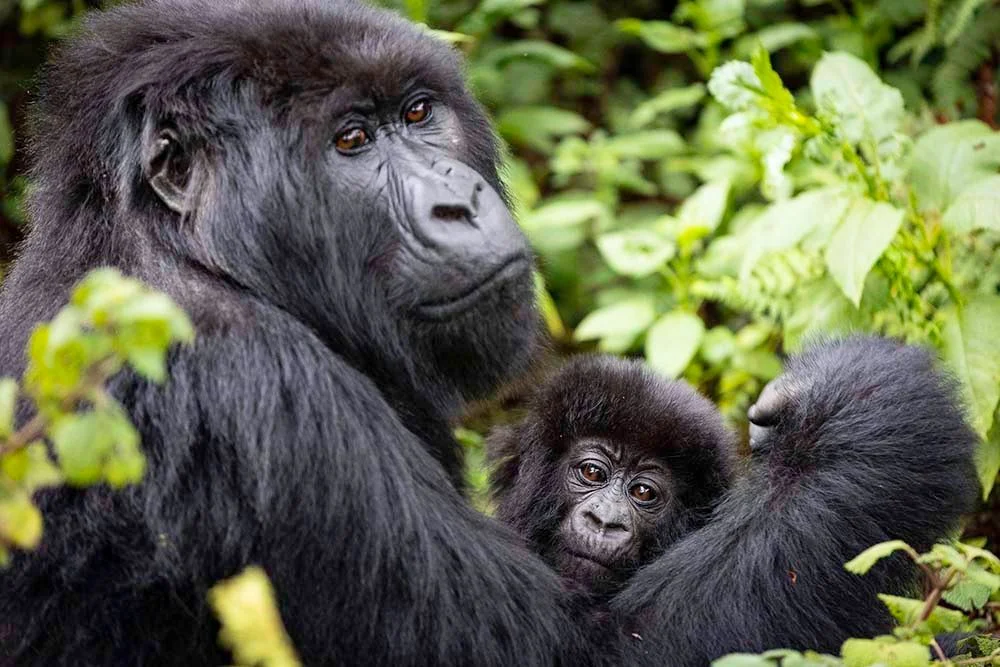
They don’t care if it’s raining. They don’t care if it’s sunny. They don’t hide in caves during wet weather. They just… carry on. Eating, resting, playing, raising their young. A silverback in the rain looks exactly the same as a silverback in sunshine. Maybe a little wetter. Maybe a little more dramatic.
The rain doesn’t affect your ability to see them — the gorillas are habituated and will stay visible regardless of weather. What affects you is the trail. The mud. The difficulty getting there. So don’t worry about the gorillas. They’re Worry about your boots.
A Story From Two Treks
Let me tell you about my two treks. One in dry season. One in wet season. Same park. Same species. Completely different experiences.
Dry season: I woke up at 5:00 AM. The sky was clear. The air was cool. I ate breakfast, drove to the park headquarters, and started hiking. The trail was firm. I walked for about 1.5 hours. Found the gorillas easily. Spent an incredible hour watching them. Hiked back. Washed the dust off. Had a lovely lunch. Everything was smooth. Almost too smooth.
Wet season: I woke up to rain pounding on my roof. It was dark. Cold. I considered staying in bed. Went anyway. The trail was a mudslide. I slipped constantly. Fell twice. Arrived at the gorillas covered in mud, soaked through, shivering. But the mist was beautiful. The gorillas were huddled together, the silverback’s fur dripping. The photos were some of the best I’ve ever taken. And the feeling of accomplishment? Unmatched.
Both were incredible. Both were worth it. But they were completely different experiences.
What to Pack for Each Season
Dry season packing:
-
Hiking boots
-
Layers — mornings are cold
-
Sunscreen and hat — the sun is strong
-
Light rain jacket — showers can still happen
-
Binoculars and camera
-
Snacks and water
Wet season packing:
-
Waterproof hiking boots — and extra socks
-
Poncho or waterproof jacket and pants
-
Dry bags for electronics
-
Gloves — for grabbing slippery vegetation
-
Quick-dry clothing — cotton stays wet
-
Extra change of clothes — you’ll need them
-
Patience
Here’s the thing about Rwanda’s weather. It’s unpredictable. The dry seasons are generally dry, but it can still rain. The wet seasons are generally wet, but you might get a sunny stretch. There’s no guarantee either way.
I’ve had perfect weather in April and terrible weather in August. That’s just how it works. But I’ve also never regretted a trek. Rain or shine. Mud or dust. Every time I’ve sat in front of a gorilla family, I’ve forgotten about the weather. The discomfort fades. The memory stays.
So plan for your preferred season. Book your permits. Check the forecast. And then accept that nature will do what it wants. The gorillas will be there. And they’ll be magnificent.