


Arusha National Park: The Perfect Warm-Up Safari Near Town
Look, when I first started planning my trip to Tanzania, I was obsessed with the big names. Serengeti. Ngorongoro. Tarangire. I had this whole mental checklist of the “must-sees,” and honestly, Arusha National Park wasn’t even on my radar. It felt like that awkward side dish nobody talks about.
But here’s the thing—after a long flight, jet-lagged and buzzing with nervous excitement, I didn’t want to dive straight into a five-day marathon across the savannah. I needed something gentler. Something that would let me catch my breath, shake off the travel fatigue, and ease me into the whole safari thing without overwhelming me.
It’s only an hour from Arusha city. Just a short, bumpy ride, and suddenly, you’re smack in the middle of this gorgeous patchwork of forests, lakes, and grasslands, with Mount Meru looming overhead like a quiet guardian. No marathon drives. No frantic schedules. Just pure, unfiltered nature that feels accessible and welcoming.
Where Is This Place?
It’s tucked away in northern Tanzania, just 35 kilometers (about 22 miles) northeast of Arusha city. If you’re flying into Kilimanjaro International Airport, you’re practically already there. No long, bone-rattling drives when you’re exhausted. You can literally land, grab a coffee, and be surrounded by wildlife within an hour.
And because it sits right on the Northern Safari Circuit, it’s the easiest thing in the world to tack onto your itinerary before you head off to the Serengeti or Ngorongoro. Think of it as the perfect warm-up act—the opening band that gets you excited for the headliners.
Why This Little Park Won Me Over as a “First Safari”
When you’re new to safaris, the big parks can feel intimidating. There’s so much pressure. You’re constantly scanning for the Big Five, your neck hurts from craning, and you’re secretly terrified you’ll miss something amazing.
Arusha National Park takes all that pressure off. It’s smaller, slower, and way more forgiving. You can actually practice here. Practice spotting animals without panicking. Practice using your binoculars without fumbling. Get used to those freezing early mornings when you’re sipping coffee and your breath fogs up the window.
It’s like safari training wheels, but in the most beautiful, stress-free setting you could imagine. By the time I left, I felt ready. Confident. Like I actually knew what I was doing. And that confidence made the rest of my trip so much better.
The Landscape Honestly Made My Jaw Drop
One minute, we were driving through dense, misty forests that felt like something out of a fantasy novel. Next, we were looking out over wide-open savannahs with golden grass swaying in the wind. Then suddenly, a volcanic crater appeared. Then a shimmering lake. Then a waterfall. All within a few kilometers of each other.
And throughout it all, Mount Meru was just there—massive, green, and absolutely breathtaking. It’s Tanzania’s second-highest mountain, and having it as your constant companion while you’re watching zebras graze? That’s the kind of moment that makes you put your camera down and just stare.
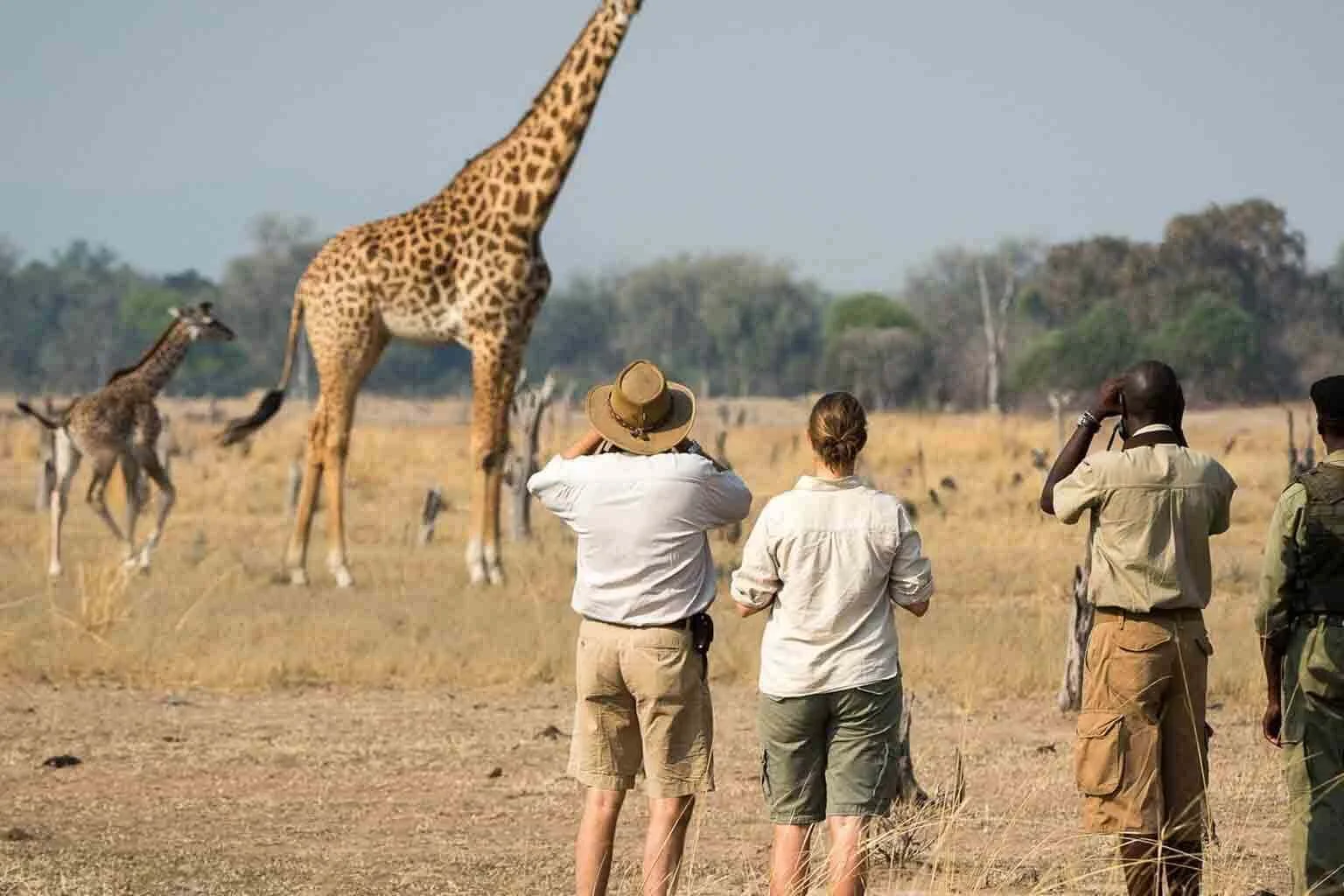
Because of all these different habitats, the wildlife is surprisingly varied. Giraffes peek over the treetops like curious neighbors. Buffalo looking grouchy and ancient, like they’ve seen it all. Zebras with their perfect, crisp stripes. And those adorable warthogs—I’m not gonna lie, I fell in love with those little guys. They trot around with their tails sticking straight up like little periscopes, and I caught myself smiling every single time.
Mount Meru – For When You Want to Earn Your Views
If you’re feeling adventurous, the slopes of Mount Meru are right there, waiting for you. I didn’t have the time or energy to summit, but even walking through the lower trails was incredible. The views are stunning—rolling hills, deep valleys, and on a really clear day, you can see Mount Kilimanjaro peeking through the clouds in the distance.
I sat on a rock for a good twenty minutes, just staring at it. No phone. No camera. Just me and that view. It was one of those rare, quiet moments that stick with you long after you’ve gone home.
The Momella Lakes – Pure Serenity on the Water
If there’s one place in the park that completely stole my heart, it’s the Momella Lakes. Seven shallow, alkaline lakes that look like something out of a dream. The water is so still and reflective that you can see the sky and the mountains mirrored perfectly on its surface.
Flamingos gather here in these soft, pink clusters that look almost fake, as if someone painted them onto the landscape. And the birdlife in general is absolutely insane. I’m not even a huge birder, but I found myself pointing and gasping like a little kid.
I could have stayed there all day, just sitting by the water, letting my mind wander. There’s something about that place that makes you forget about your to-do list, your emails, all that noise back home.
Ngurdoto Crater – The “Little Ngorongoro” That Doesn’t Feel Little
The locals call it that, and honestly, they’re not wrong. Standing at the rim and looking down into that lush, volcanic bowl—with animals grazing peacefully on the crater floor below—gave me all the Ngorongoro vibes without the crowds or the long drive.
It felt intimate. Personal. Like I’d stumbled onto a secret that only the locals knew about. I remember just leaning on the railing, watching a herd of buffalo move slowly across the floor, and thinking, “This is exactly what I came here for.”
The Wildlife Feels So Much Closer Here
You’ll see giraffes, buffalo, zebras, and warthogs, but what really struck me was how relaxed everything felt. Because there aren’t any big predators lurking around, the animals aren’t constantly on edge. They’re just going about their day—eating, resting, playing—and you get to watch them without the tension you sometimes feel in predator-heavy parks.
It’s refreshingly calm. Almost meditative. You’re not scanning for danger; you’re just observing. And that makes all the difference.
If You Love Birds, You’re Going to Lose Your Mind
Seriously—over 400 species. Flamingos, crowned cranes, African fish eagles. They’re everywhere. Even if you’re not a dedicated birdwatcher, you’ll find yourself stopping to watch
I don’t think I’ve ever used my camera’s zoom function as much as I did here. It’s a bird-lover’s paradise, plain and simple.
Walking Safaris – Actually Feeling the Earth Under Your Feet
This was hands-down my favorite part of the whole experience. Arusha is one of the few parks in Tanzania where walking safaris are allowed, and let me tell you—it’s a game-changer.
There’s something profoundly different about being on foot. The crunch of dry leaves under your boots. The sudden whiff of wild sage and damp earth. Your guide is pointing out animal tracks and telling you stories about the bush that you’d completely miss from a car.
Canoeing on the Lakes – A Whole New Angle
If you really want to try something different, rent a canoe and paddle out onto the Momella Lakes. Floating there, completely silent, with hippos grunting softly in the distance and waterbirds skimming past you, is pure magic.
You’re not just watching nature—you’re in it. Part of it. The perspective is completely different from any road-based safari. And honestly? It’s one of the most peaceful things I’ve ever done.
When’s the Best Time to Go?
-
June to October (Dry Season): This is prime time for wildlife viewing. Animals gather around water sources, the vegetation is thinner, and spotting them is so much easier. If you want the classic safari experience, aim for these months.
-
November to May (Green Season): Everything is lush and vibrant. Flowers are blooming everywhere, and migratory birds flock in from all over. It’s stunning for photography and those beautiful, colorful landscapes.
How Long Should You Actually Stay?
Most people do a single day, and honestly, that’s enough to get a wonderful taste of the park. But if you have an extra day to spare—take it.
Two days means you can do a game drive, a walking safari, and a canoe trip without rushing. You can actually sit down, have a picnic, and just exist in the beauty without constantly looking at your watch. And trust me, that’s when the real memories are made.
A Few Things I Wish Someone Had Told Me Before I Went
-
Layer up—mornings are way chillier than you expect, especially near the mountain. I shivered through my first game drive because I underestimated it. Don’t be me.
-
Bring proper walking shoes. Even if you’re not doing a full walking safari, there’s so much to explore on foot that you’ll regret flip-flops.
-
Binoculars are a must. I borrowed a pair and spent the whole time wishing I’d brought my own. They make a huge difference.
-
A camera with a good zoom range is your best friend. You’ll want to capture both those sweeping mountain vistas and those up-close animal moments.
Because the park is so compact, you spend way less time driving and way more time experiencing. And that’s rare on safari—you’ll appreciate it more than you expect.
Whether you’re a total first-timer, a climber looking for a gentle place to recover, or just someone wanting a memorable day trip, this park delivers way more than you’d expect for the price. The pace is slow. The access is easy. And the diversity is genuinely surprising.