


Akagera National Park: Rwanda’s Savannah Safari Comeback Story
The first thing you notice about Akagera isn’t the animals. It’s how quiet it is. I don’t mean silent. There’s plenty of noise — wind in the grass, birds calling, the occasional grunt of a hippo from somewhere down the lake. But it’s not crowded-quiet. It’s empty-quiet. The kind of quiet that makes you realize how loud most safari parks have become.
I remember sitting in the safari vehicle, engine off, just listening. My guide, a guy named Jean-Paul who’d been working in the park for about eight years, was watching a herd of zebras in the distance. He didn’t say anything for a long time.
Then, out of nowhere: “You know, fifteen years ago, there was almost nothing here. No lions. No rhinos. Barely any elephants. Just… empty land.” I looked around. A herd of zebras. Giraffes moving along the treeline. Elephants in the distance heading for the lake. It didn’t look empty.“It didn’t always look like this,” he said. “Trust me.”
That stuck with me. Because Akagera isn’t just a pretty park. It’s a story. A comeback story. And like most good comeback stories, it starts with things falling apart.
What Happened Here
Akagera has been around since 1934. For decades, it was exactly what you’d imagine — open plains, acacia trees, lions, rhinos, elephants, all of it. Then 1994 happened.
I don’t need to explain what happened in Rwanda that year. Everyone knows. But what people don’t always talk about is what happened to the land afterward. Displaced people came back, and some of them came back to land inside the park boundaries. The government reduced the park by about two-thirds to make room for them. That’s when things went downhill fast.
With so many people living near the park, poaching became a huge problem. Not organized, sophisticated poaching — just desperate people killing whatever they could to eat or sell. Lions vanished. Rhinos vanished. Elephant numbers dropped so low you could go days without seeing one.
Jean-Paul told me he grew up near the park. “When I was a kid, people said the park was dead. They said the animals would never come back.” He shrugged. “I believed them for a while.”
What Changed
In 2009, the Rwandan government did something bold. They brought in a conservation group called African Parks to help run the place. These guys have a reputation for stepping into broken parks and fixing them. But Akagera was a mess.
They started small. New fences. New rangers. Anti-poaching units — including dogs, which Jean-Paul seemed especially proud of. Community programs to help local people see the park as something good, not just a place they weren’t allowed to go.
Then came the animals.
2015: Lions came back after twenty years. Seven of them. Now there are dozens.
2017: Black rhinos returned. A decade after the last one disappeared.
2021: White rhinos, thirty of them, all the way from South Africa. That population has grown to over forty now.
2025: Seventy more white rhinos. Flown in on a cargo plane. A Boeing 747. From Durban to Kigali. Then trucked to the park.
Seventy rhinos. In one year. In a park that had zero just a few years ago. I asked Jean-Paul if he ever thought he’d see that many rhinos here. He laughed.
“Never. I never thought I’d see any rhinos here. Now I see them every week. It’s strange. Good strange. But strange.”He told me something else too. The park hasn’t lost a single high-value animal to poaching since 2010. Not one. He said it casually, like it wasn’t a big deal. But the way he smiled — that was a big deal.
What It’s Like Now
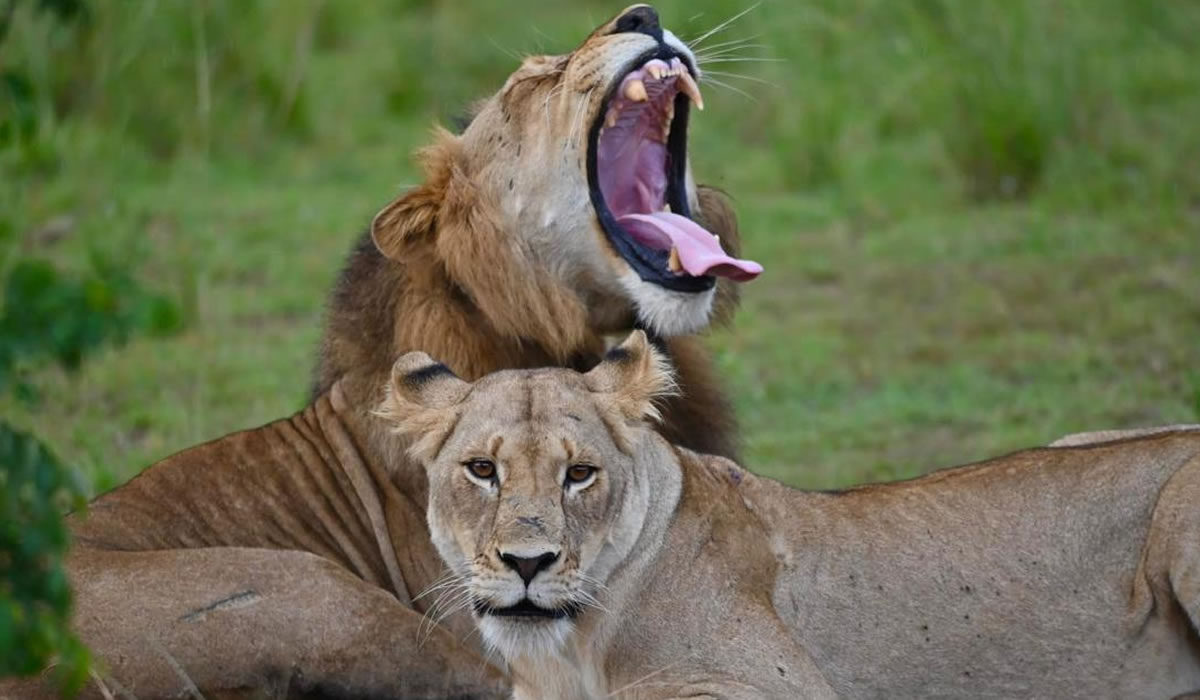
Akagera is Rwanda’s only place where you can see the Big Five. Lions, leopards, elephants, buffalo, and rhinos — both black and white. Plus giraffes, zebras, hippos, crocodiles, hyenas, and more antelope than I could keep track of.
And the birds. Nearly five hundred species. Fish eagles screaming over the lakes. Crowned cranes walking around like they own the place. And if you’re lucky — really lucky — the shoebill stork. That bird looks like something from the Jurassic period. Stands perfectly still in the reeds for twenty minutes, then stabs the water and comes up with a fish the size of your arm.
We saw one on my last trip. Jean-Paul practically whispered when he pointed it out, like he didn’t want to jinx it. Afterward, he kept grinning.“Most people miss it,” he said. “You got lucky.”He says that a lot. “You got lucky.” I think he just likes watching tourists get excited.
How It’s Different
If you’ve been on safari in Kenya or Tanzania, you know how it goes. You wake up early. You drive around. You find a lion, and suddenly there are fifteen other vehicles circling it like vultures.Akagera is not that.
It’s about 400 square miles — big enough, but not enormous. The crowds are almost nonexistent. I drove for two hours once without seeing another tourist vehicle. When we found a rhino, we had it to ourselves for a solid twenty minutes before anyone else showed up.That changes everything.
You’re not rushing. You’re not fighting for angles. You’re just… watching. A rhino and her calf grazing in the evening light. A lioness sleeping under a tree. A herd of elephants at the water’s edge.It feels personal. Like the park is yours for a little while.
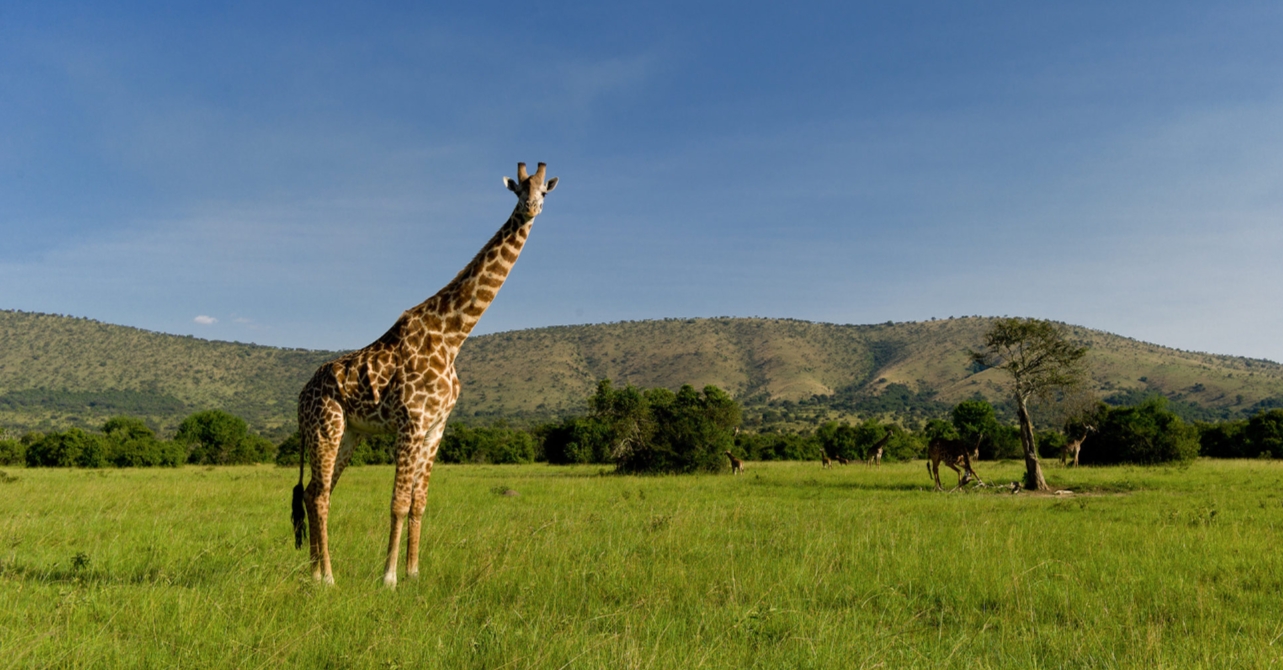
Another thing: the landscape. Most of Rwanda is green hills — that’s why they call it the land of a thousand hills. Akagera is the opposite. It’s savannah. Open plains, acacia trees, papyrus swamps, and a chain of lakes along the edge. About a third of the park is water — lakes, rivers, wetlands — and the animals are everywhere.
You never get bored. One minute you’re looking for lions on the plains. The next, you’re on a boat, watching hippos surface right next to you. Then you’re in the woodlands, watching giraffes eat leaves off thorny trees.It keeps you on your toes.
What You Shouldn’t Miss
The morning game drive. Start at 6:00 AM. The sun is just coming up. The predators are still active. The light is soft. We saw elephants, zebras, giraffes, and a hyena slinking back to its den within the first hour.
The boat safari on Lake Ihema. Do this. I’m serious. Even if you’re not a boat person. The hippos get close — close enough to see their eyes watching you. The crocodiles lie on the banks like logs that might suddenly decide to move. And the sunset cruise? The light turns everything gold. You’ll sit there, floating in the middle of the lake, listening to hippos grunt, and wonder why anyone would ever go on a game drive again.
The night drive. If you’re staying in the park, do this. It’s a different world after dark. We saw bush babies, civets, and heard hyenas whooping somewhere in the distance. Jean-Paul pointed his spotlight into the trees and said, “Leopard sometimes. Not tonight. But sometimes.”
We didn’t see a leopard. But the hyena calls were enough.
Walking safari. You don’t realize how much you miss from a vehicle until you get out and walk. Armed ranger leading the way. You notice tracks. Scat. The small things — insects, birds, plants — that you’d never see from a car. It’s humbling. Makes you feel like an explorer instead of just a tourist.
Hot air balloon. I haven’t done this one yet. But people who have say it’s incredible. Sunrise over the savannah. Animals below you. Breakfast after landing at the highest point in the park. Expensive, though. Really expensive. But the photos look unreal.
Where to Stay
There are options. Not a ton, but enough.
Magashi Camp is the fancy one. Six tents. Private guides. Night drives and walking safaris included. This is for people who want the park to themselves and don’t care what it costs.
Ruzizi Tented Lodge is mid-range. Comfortable tents, good food, great location on the lake. You’ll hear hippos at night. I stayed here and loved it.
Karenge Bush Camp is seasonal — only open during dry season. Rustic. Basic. Perfect if you want to feel like you’re actually camping in the bush.
Akagera Game Lodge is the budget option. Older. Simpler. Clean and functional. Good for saving money for other parts of your trip.
Book ahead. Akagera is getting more popular, and the good places fill up months in advance.
When to Go
Dry season — June to September, December to February — is the best for wildlife. Animals gather around water. Vegetation is thinner. You’ll see more. But you’ll also have more company.
Wet season — March to May, October to November — is greener, quieter, and cheaper. The landscapes are lush. The birding is amazing. You’ll often have sightings to yourself. But animals are spread out, and some roads get muddy.
I’ve been in both. Dry season is better for guaranteed sightings. Wet season is better for solitude. Your call.
Practical Stuff
Getting there. About 2.5 hours from Kigali. The roads are good — Rwanda actually has decent infrastructure. You can do it as a day trip. But don’t. Stay overnight. The best hours are early morning and late afternoon.
Entrance fees. About $100 per day for international visitors. Not cheap. That doesn’t include accommodation, guides, or activities. But the money goes back into the park. Almost all of it. A huge percentage of the park’s revenue comes from tourism, and nearly half of those visitors are Rwandan.
Guided or self-drive? You can drive yourself. The roads are fine. But a guide makes everything better. They know where the animals are. They talk to other guides. They understand behavior. I’ve done both. Guided trips are exponentially better.
What to bring. Binoculars. Don’t forget them. Sunscreen — the sun is brutal. A jacket — mornings and evenings are cold. Hat. Insect repellent. Patience. Animals don’t perform on schedule.
Health. Akagera is not malaria-free. Take precautions. Repellent. Long sleeves at dawn and dusk. Anti-malarials if your doctor says so.
I sat on the deck at Ruzizi Lodge one evening, watching the sun go down over the lake.
A herd of elephants was drinking at the water’s edge. Hippos grunted in the distance.
The sky turned orange, then pink, then purple.
A man at the next table was talking to his friend. He was Rwandan — maybe in his fifties. He’d grown up near the park.“When I was young,” he said, “there was nothing here. No animals. No tourists. Just empty land. People said the park was dead forever.”He took a sip of his drink. Nodded toward the elephants.“Now look at it.”
I looked.The elephants finished drinking and walked back into the savannah. A fish eagle called somewhere over the water. And in the distance — far off, barely audible — a lion coughed. That rough, sawing sound that carries for miles.The man smiled.“It’s not dead anymore,” he said.No. It’s not.