


What Anti-Insect Precautions Should I Take for Gorilla Trekking?
Okay, so you’re planning a gorilla trek. First of all: amazing. Seriously. It’s one of those trips that ruins you for normal vacations forever. You’ve probably already stressed about the permit (expensive, I know), the boots (blisters, ugh), and whether your legs can handle a few hours of muddy slipping and sliding.
But here’s the thing nobody tells you until you’re actually standing in the rainforest, dripping sweat, wondering what that buzzing sound is.
The bugs.
I’m not trying to scare you off. Really. Most of them are just irritating, not dangerous. But let me paint you a picture: you’ve hiked for two hours, your thighs are burning, the humidity is trying to murder you, and something—something tiny and relentless keeps biting your left ankle. Over and over. And you can’t even look down because you’re too busy not tripping over a root.
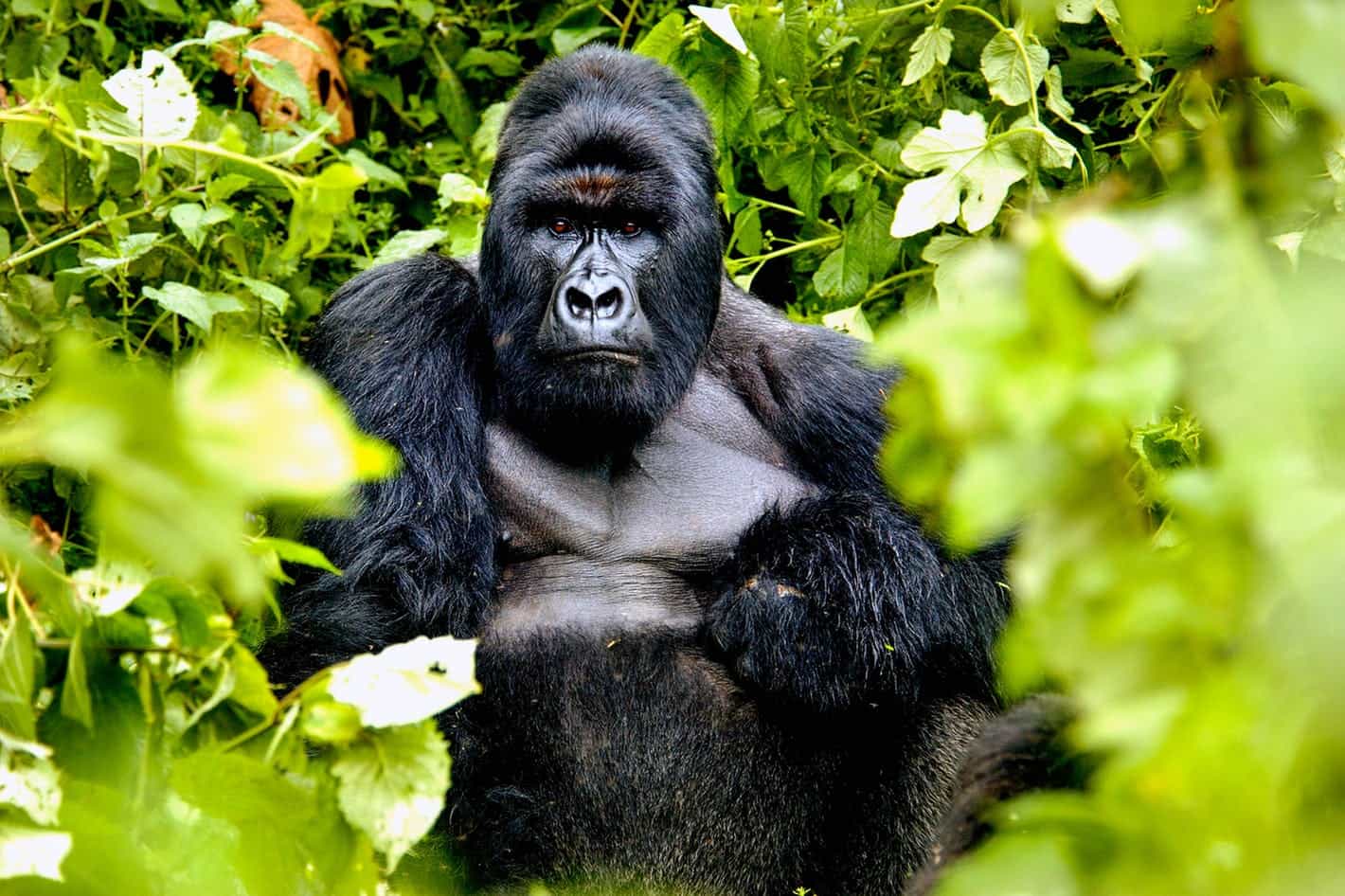
That little ankle biter? It will steal your focus. And you don’t want to be distracted when a silverback the size of a small car decides to sit down ten feet away from you. Trust me.
So let’s talk about how to not let insects ruin your once-in-a-lifetime moment.
First, forget the fancy “natural” bug sprays that smell like a pleasant farm stand on a summer morning.
I love lavender and citronella as much as the next person, but in a dense, humid gorilla trek, those gentle essential oils are about as useful as a paper umbrella in a downpour.
You want the hard stuff: DEET or picaridin, formulated at twenty to thirty percent concentration. I know—slathering that on your skin feels like you’re marinating in a chemistry lab, and the sticky, chemical scent isn’t exactly glamorous. But your future self, the one who isn’t lying awake at night scratching a hundred itchy welts, will thank you profusely.
Apply it everywhere: your wrists, the nape of your neck, behind your ears, around your ankles, and especially the backs of your hands—a spot people always forget.
Then, tuck a tiny refill bottle into your daypack because within two hours, you will sweat through the first layer, and you’ll need to reapply religiously to keep the invisible cloud of biting insects at bay.
Now, let’s talk clothes. I can already hear you thinking, “But it’s steaming hot, and I want to wear shorts.” I get it. The equatorial sun is brutal, and the humidity wraps around you like a wet blanket. But please, for the love of all that is holy, do not wear shorts. Instead, wear lightweight long pants and a lightweight long‑sleeved shirt.
Modern outdoor fabrics are incredibly breathable—nylon and polyester blends that wick moisture and dry in minutes. This isn’t like wearing a parka in a sauna. And here’s a pro move that separates the first‑timers from the trackers: tuck your pants into your socks. Yes, you’ll look like a complete dork—like someone who lost a bet or dressed in the dark.
No, the gorillas won’t care. They’ve seen far stranger humans. But what won’t happen? Ants, fleas, and ticks are marching up the inside of your leg. That alone is a beautiful, underrated victory in the jungle.
Your lower legs take a relentless beating on these treks.
You’ll trudge through mud that sucks at your boots, push past tall grass that slices at your shins, and cross paths with all manner of creepy‑crawlies hiding in the undergrowth. If you own gaiters—those nylon or canvas wraps that seal the gap between your boot and your pant leg—wear them without hesitation.
If you don’t have gaiters, pull on a pair of long, sturdy socks drawn up high over your pants. Again, you’re not walking a runway. You’re in a jungle. The fashion rules of the city do not apply. Embrace the weird. Your safety and sanity are worth looking a little strange.
Okay, here’s a secret that actual adventure nerds know by heart: permethrin. This is not for your skin—never apply it directly. Instead, you spray it on your clothes before you even leave home: your shirt, your pants, your socks, even your hat.
Once it dries completely (which only takes a few hours), it bonds to the fabric fibers and creates a powerful, invisible force field. When a mosquito, tick, or fly lands on treated cloth, the permethrin repels or kills it on contact.
You can buy pre‑treated expedition clothing, or you can buy a spray bottle for about ten dollars and treat your own gear in five minutes.
That short stretch of time is worth every second once you’re deep in the forest, watching bugs veer away from your sleeves while everyone else swats and sweats.
Here’s something else that might surprise you. The worst mosquito moments? Not during the trek. It’s back at the lodge, at sunrise or sunset, when you’re having a well-deserved drink and laughing about how tired you are.
That’s when they feast. So don’t let your guard down. Wear long sleeves in the evenings. Keep the repellent on. Sleep under the mosquito net if there is one. And please—please—talk to your doctor about malaria pills before you go. It’s not scary, it’s just smart.
Also, pack a light rain jacket. Not just because it pours without warning (it will), but because after it rains, the bugs go absolutely bonkers. That jacket gives you an extra layer of “nope.”
Oh, and leave the perfume at home. And the scented lotion. And the fancy hair products. Bugs love sweet smells like a toddler loves sugar. Go unscented. Be boring. Your skin will be so grateful.
Listen to your guide like your comfort depends on it—because it kind of does. Those rangers know where every ant trail and beehive lives. If they say “don’t touch that log” or “let’s walk quickly here,
” they’re not being bossy. They’ve just watched a dozen tourists get bitten by something furious, and they’re trying to save you the pain.
Even with all that, you might still get a bite or two. It happens. So throw a tiny “itch kit” in your bag: anti-itch cream, a few antihistamines, maybe some hydrocortisone. If you have a serious allergy to stings, bring your EPI-Pen or whatever you need, and tell your guide before you even set foot on the trail.
And stay on the path. I know you want to feel like Indiana Jones, but the second you step off into thick bush, you’re wading into Bug Central. Your ranger knows the way. Just follow them.
Here’s the real talk, though. Most people worry way more about bugs before they go than they ever do once they’re there. The gorillas live at higher, cooler elevations, so there are fewer mosquitoes than you’d expect. And with long sleeves, good repellent, and a few smart habits, most trekkers come back with hardly a bite at all.
Honestly? You’ll forget every single bug the moment a baby gorilla somersaults past you like a fuzzy little ninja. Or when a silverback looks up, mid-chew on a leaf, and just stares into your soul like he’s known you forever. That’s the moment. That’s why you came.
So prep a little. Don’t obsess. And go have the adventure of your life. You’ve got this. And it’s going to be incredible.