


Can I Actually Trek Gorillas If I’ve Got a Heart Condition?
Gorilla trekking is one of those once-in-a-lifetime experiences. The kind you see in documentaries and think, I have to do that one day.
But if you’re living with a heart condition, that dream can come with a very reasonable question hanging over it: Is this actually safe for me?
Short answer? Yes, many people with heart conditions do it. But—and this is important—it completely depends on you. Your specific condition, your everyday fitness, and most of all, what your doctor says.
Because here’s the truth: gorilla trekking is physically tough. You’re hiking through mountainous forests, climbing steep slopes, slipping around on muddy, uneven ground. It could take one hour. It could take six.
So let’s walk through what you’d actually be getting into.
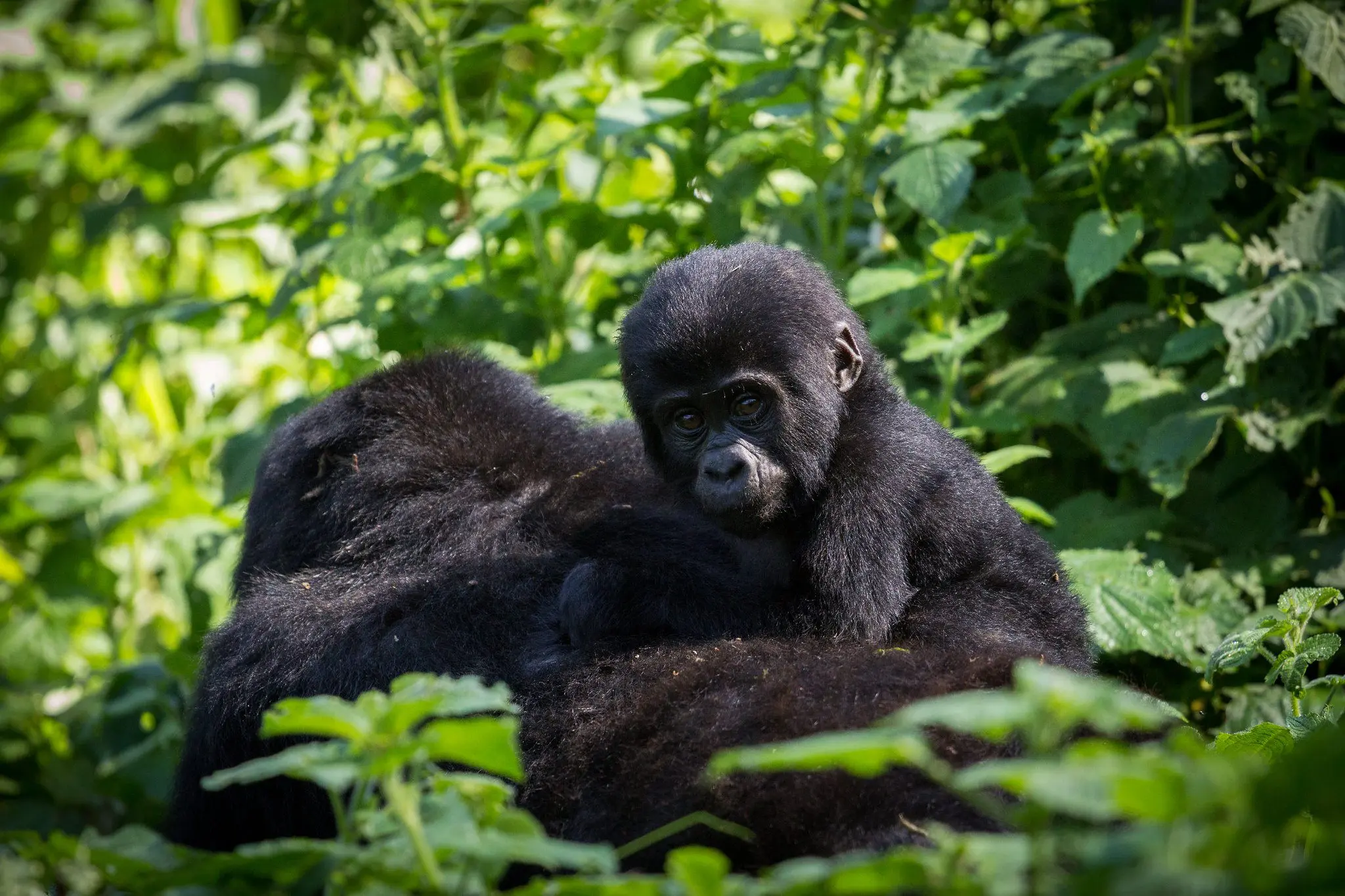
What Your Body Will Deal With (No Sugar-Coating)
In Uganda, you’ll be in Bwindi Impenetrable Forest or Mgahinga. In Rwanda, it’s Volcanoes National Park.
You start with a briefing at park HQ, then head into the jungle with guides and trackers. Some gorilla families are close—maybe an hour’s walk. Others? You could be hiking for four to six hours before you find them.
The terrain is no joke:
-
Steep hills and mountain slopes – Lots of uphill. Your heart will work harder.
-
Muddy, root-filled trails – Just keeping your balance takes extra energy.
-
High humidity – The forest is muggy year-round, which makes everything feel more exhausting.
-
Altitude – Some areas are over 2,000 metres up. Thinner air can hit harder if you have heart or lung issues.
So Does a Heart Condition Automatically Mean “No”?
Not at all.
People with well-managed high blood pressure, mild coronary artery disease, or even a history of heart procedures do this every year.
The keyword is well-managed.
What really matters is whether your heart is stable enough. And honestly? Only your doctor can tell you that.
When you talk to them, bring this up:
-
Your exact diagnosis
-
What meds are you on
-
Any past heart surgeries
-
How much exercise do you handle now without issues
-
Any recent chest pain, dizziness, or shortness of breath
-
Whether they’d say no to strenuous hiking
If your doctor says it’s risky? Please listen to them. It’s not worth rolling the dice.
Which Heart Conditions Need to Be Extra Careful With?
Some situations are genuinely riskier:
-
Unstable angina – If you’re having chest pain or things have gotten worse lately, this isn’t the time.
-
Recent heart attack – Get specific medical advice before even thinking about it.
-
Severe heart failure – Your heart may struggle to meet the extra demand.
-
Serious irregular heartbeats – Some arrhythmias act up during intense exercise, especially in remote.
-
Uncontrolled high blood pressure – Get it stable first. Seriously.
How to Give Yourself the Best Shot (If You Get the Green Light)
If your doctor says yes, here’s how to stack the odds in your favour.
Start moving now, not the week before. Begin a walking program months ahead. Add hills. Climb stairs. Build up slowly. Stay within what your doctor says is safe.
Tell your tour operator the truth. A good operator needs to know. They can ask park authorities to assign you to a gorilla family that lives closer to the start.
Hire a porter. This is genuinely one of the smartest things you can do. They carry your backpack, water, camera—everything. Less weight = less strain on your heart. Plus, you’re helping local families.
Drink water like it’s your job. Dehydration stresses your heart. Sip before the trek and during it, even if you don’t feel thirsty.
Pace yourself. This is not a race. Guides are used for people of all fitness levels. Walk slowly. Take breaks. No one will judge you.
What If You’re an Older Traveller?
Age alone doesn’t stop people. Seriously.
Travellers in their 60s, 70s, and even 80s go gorilla trekking every year. What matters is your overall health and fitness, not the number of candles on your cake.
Many older visitors spend months getting ready—walking regularly, building endurance. With a doctor’s okay and a sensible trek assignment, they often have an absolute blast.
What If You Really Can’t Handle a Long Trek?
The people who run the gorilla treks in Uganda and Rwanda know something important: you don’t have to be a mountain goat to do this. They’ve seen it all—
the nervous first-timer whose heart is pounding before the hike even begins, the retiree who’s dreamed of this moment for decades but whose knees aren’t what they used to be, the parent carrying a little one on their back. They get it. And they genuinely want you to succeed.
That’s why they’ve built a little kindness into the system. If you speak up ahead of time—if you tell your guide, “Hey, my lungs aren’t great” or “I’ve got a bad hip”—
they will do everything in their power to put you on an easier path. Maybe that means sending you to a gorilla family that’s hanging out in the gentler, lower valleys instead of the one that’s decided to sleep on top of a muddy volcano.
They can’t promise miracles, of course. Gorillas go where they want, and the forest writes its own rules. But asking? That helps more than you’d think. It gives the guides a chance to look out for you before you even take your first step.
And here’s the beautiful part: no one gets left behind. Let’s say you’re an hour into the trek, your legs are shaking, and you need to stop and catch your breath. That’s okay. Really.
The guides will tell you to take all the time you need—sit on a log, sip some water, rest those trembling thighs. Meanwhile, the trackers (the ones who move like ghosts through the vines) will keep pushing ahead to find the gorillas. So the group doesn’t have to wait, and you don’t have to feel rushed. Everyone wins.
At the end of the day, the only goal is this: for you to lock eyes with a mountain gorilla, safely, with a smile on your face. Whether you scrambled up like a young adventurer or crawled the last few meters on your hands and knees,
it doesn’t matter. What matters is that you made it. And the guides—they’ll be right there with you, cheering you on, every slow and steady step of the way
What About Emergency Help?
Both Uganda and Rwanda have gotten much better at visitor safety. Rangers carry radios. Guides are trained. Some trekking areas have first-aid kits and evacuation plans.
But let’s be straight with each other: you’re in a remote jungle. There’s no hospital around the corner. That’s why getting real medical advice before you go is non-negotiable.
Don’t Skimp on Travel Insurance
If you have a heart condition and you’re going gorilla trekking, get proper insurance. Make sure it covers:
-
Emergency medical treatment
-
Medical evacuation (this is huge)
-
Your pre-existing condition (read the small print)
-
Trip cancellation
-
Hospitalisation abroad
Read the policy carefully before you buy. In the future, you will be grateful.
Having a heart condition doesn’t automatically steal this experience from you.
People with stable, well-managed heart conditions go gorilla trekking in Uganda and Rwanda every single year. They come home with photos and stories that make their friends jealous.
Just be honest—with your doctor, with yourself about what your body can handle, and with your tour operator. Prepare properly. Take it slow. Hire that porter.
For so many people, this is still absolutely possible. And absolutely worth it.