



Are Gorilla Trekking Permits Refundable If I Cancel?
There’s a certain excitement that comes with booking a gorilla trekking permit. It usually feels like you’ve just locked in something big—one of those once-in-a-lifetime travel experiences that you don’t take lightly. You picture yourself deep in the forest, the air quiet, and then suddenly… you’re face to face with a mountain gorilla.
But travel plans don’t always behave.
Maybe something comes up at work. Maybe a flight changes. Maybe life just shifts in a way you didn’t expect. And when that happens, the first worry is usually simple: what happens to the permit I already paid for?
The honest answer is not very flexible. Gorilla trekking permits are usually not refundable in most last-minute situations, and even when refunds are possible, they’re often only partial.
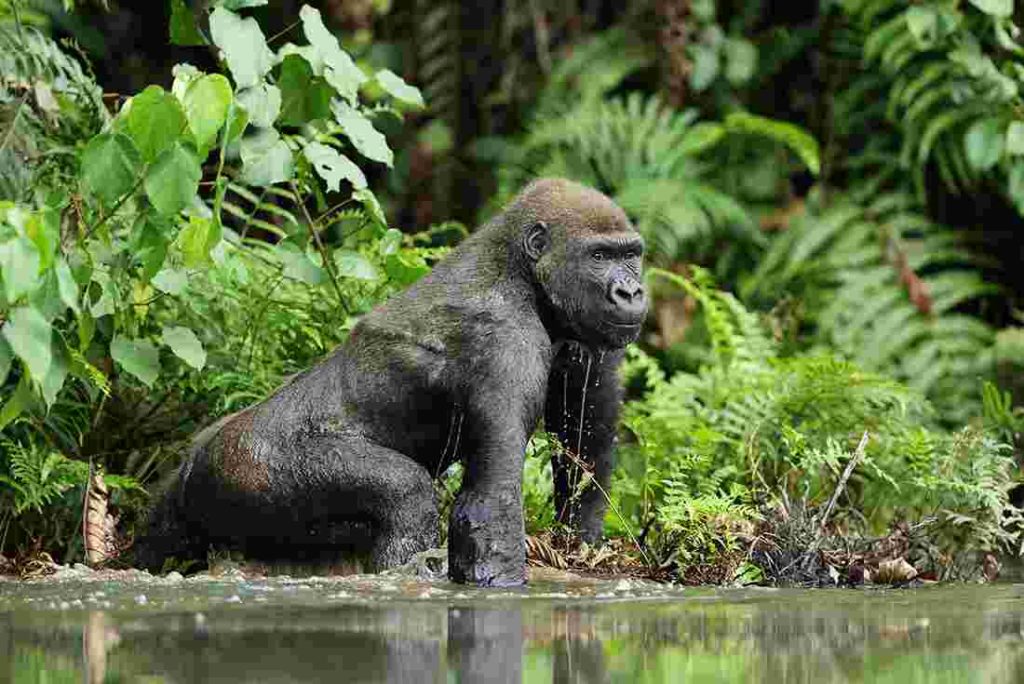
Travelers canceling gorilla trekking plans, reviewing permit refund policies in Uganda’s wilderness.
Why are these permits so strict in the first place
It helps to think of a gorilla permit less like a ticket and more like a controlled space in a very sensitive environment.
In Uganda, trekking takes place in forests like Bwindi Impenetrable National Park and Mgahinga Gorilla National Park, all carefully managed by the Uganda Wildlife Authority.
Only a small number of people are allowed to visit each gorilla family per day. That number is fixed for conservation reasons.
So when a permit is booked, that space is basically taken off the market. If someone cancels too late, there’s often no time to replace them. And that’s where the strict rules come from.
It’s not just about money—it’s about protecting the gorillas and keeping visitor numbers under control.
If you cancel early, there’s a bit more breathing room
Timing changes everything.
If you cancel early enough, there’s usually at least some chance of getting part of your money back. It won’t always be the full amount, and there are usually deductions, but it’s better than losing everything.
Early cancellations give the system time to adjust and possibly reassign the permit to someone else.
It’s not generous, but it is at least workable.
If you cancel close to the travel date
This is where things get difficult.
Once you’re close to the trekking date, refunds are usually not given. At that point, the permit has already been planned into park operations, and replacing it becomes almost impossible.
Even if your reason is completely understandable, the system doesn’t have much flexibility at that stage.
It can feel harsh, but it’s part of how the whole conservation system stays organized.
When emergencies are involved
Life doesn’t always follow booking rules.
If someone is seriously ill or dealing with an emergency, the situation may be reviewed individually. With proper proof, there may be some consideration depending on timing and circumstances.
Even on the ground, health is taken very seriously. If a visitor shows symptoms like flu or fever, they can be stopped from trekking that day. It’s not about inconvenience—it’s about protecting gorillas, who can easily catch human diseases.
So decisions in these cases are always made carefully, not automatically.
Can you change the date instead of cancelling?
For many travelers, the ability to change a trekking date after booking feels like the ultimate safety net. It’s something almost every adventurer hopes for, whether due to last-minute flight changes, unexpected weather, or shifting personal plans. In the best-case scenario, this flexibility does work out—if you request a change early enough and there is still open space on your desired trek, many operators will gladly accommodate you. However, this convenience is never guaranteed, and treating it as a backup plan can lead to disappointment.
The biggest obstacle to changing your trekking date is high demand, particularly during peak seasons. In popular trekking destinations like the Everest Base Camp or Inca Trail, autumn and spring months see permits, guides, and accommodations booked months in advance. During these busy windows, flexibility shrinks dramatically because every slot is often already reserved. As a result, relying on last-minute changes during these periods is rarely a wise strategy. For the best chance of success, always plan ahead and lock in your preferred dates early.
Timing is everything when it comes to rescheduling a trek. The later you try to change your date, the harder and more complicated the process becomes. Last-minute requests are especially challenging, as logistics such as porters, lodging, and transportation are typically confirmed well in advance. To keep your journey stress-free and your options open, make any change requests as early as possible—and always confirm the cancellation and rescheduling policy before booking. A little upfront planning can save you from a lot of on-the-ground frustration.
Why travel insurance suddenly matters more than people expect
Why You Should Rethink Permit Insurance
When booking a permit for a backcountry trip, special event, or outdoor activity, most people don’t give insurance a second thought. It feels like an unnecessary add‑on—just another way to spend more money. So, they skip it.
But here’s the problem: permit refund systems are often extremely strict. Many permits are completely non‑refundable. Others only allow cancellations within a very short window. If your plans fall through, you could lose your entire payment.
That’s where permit insurance starts to make sense.
How Insurance Can Help in Real Situations
Let’s say something unexpected happens—sudden illness, a family emergency, or a last‑minute flight cancellation. Without insurance, that non‑refundable permit is simply money lost. With the right coverage, however, you may be able to recover a significant portion of your costs.
It’s important to be realistic. Insurance doesn’t cover every situation, and policy terms vary. But in many clear‑cut cases—like a documented medical issue or a covered travel delay—it can make a real difference.
Insurance is one of those things that feels completely unnecessary… until the moment you actually need it. By then, it’s too late to buy it. A small upfront cost can save you from a much larger loss later.
So before you click “book” on that next permit, take two minutes to review the refund policy—and consider whether a little protection might be worth it.
Your tour operator really matters here
A lot of confusion around gorilla permits comes from not getting clear explanations up front.
A good safari operator will usually tell you everything before you pay anything. They should explain what happens if you cancel, what can be refunded, and what cannot.
It also helps to ask things like:
What happens if I cancel early?
Can I move my dates if something changes?
Are there any exceptions for emergencies?
Simple answers upfront can prevent a lot of stress later.
Gorilla trekking permits are strict because they need to be. They protect a rare wildlife experience and keep everything balanced inside the parks.
That’s why refunds are limited and depend heavily on timing. Early cancellations may allow some recovery. Late cancellations usually don’t. Special cases like illness may be reviewed, but nothing is guaranteed.
The safest approach is really simple: book when you’re confident about your dates, understand the rules clearly before paying, and have a backup plan like insurance just in case life doesn’t go as expected.
And when it all does work out—the early morning walk, the quiet forest, and that moment you finally see a gorilla in the wild—it tends to feel like none of the planning stress mattered anymore.


