Accommodation and Camps in East Africa: Your Complete Safari Guide
Safari accommodation is an essential part of any East African safari experience. The region offers a diverse range of lodging options, from luxury lodges overlooking savannah plains to eco-friendly camps nestled in rainforests. Choosing the right accommodation enhances comfort, accessibility, and immersion in nature, providing both convenience and unique wildlife experiences.
East Africa’s safari accommodations are strategically located near national parks, game reserves, and trekking sites to minimize travel time and maximize wildlife viewing opportunities. Countries like Uganda, Rwanda, Kenya, and Tanzania provide a variety of options tailored to different budgets and traveler preferences, including community-run lodges, mid-range hotels, and high-end luxury resorts.
Luxury Lodges
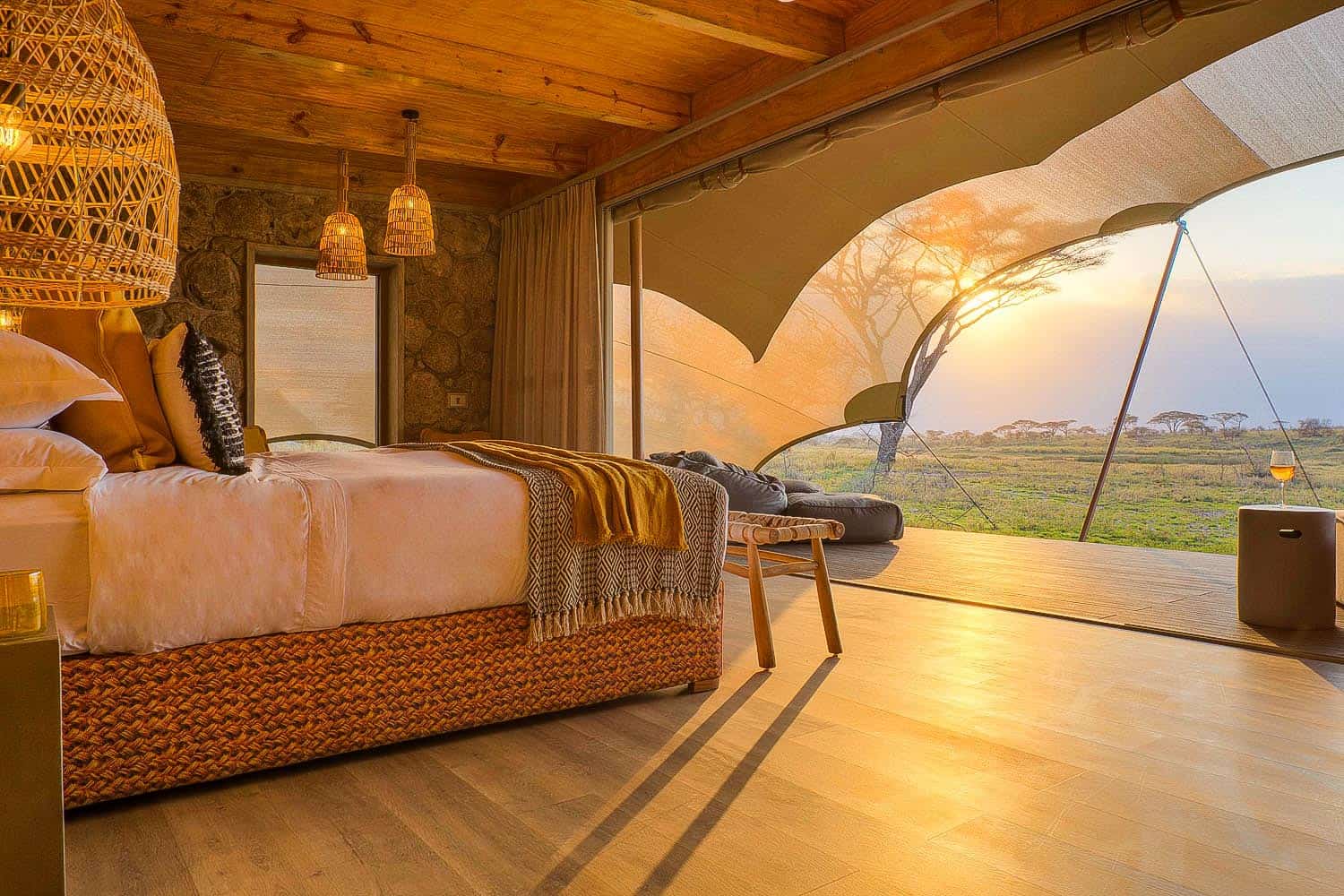
Luxury lodges in East Africa provide the ultimate safari comfort, often with panoramic views, private decks, fine dining, and curated experiences. Many are situated near prime wildlife areas, offering early access to trails or game drives.
In Uganda, lodges near Bwindi Impenetrable National Park offer sweeping views of forested hills and proximity to gorilla trekking starting points. Rwanda’s luxury lodges in Volcanoes National Park provide exclusive access to gorilla families while maintaining privacy and high-end amenities. In savannah regions, lodges in the Masai Mara, Serengeti, and Amboseli feature elegant tents, infinity pools, and private viewing hides for wildlife observation.
Luxury lodges often provide additional services such as spa treatments, cultural visits, guided walking safaris, and hot air balloon safaris, combining wildlife encounters with relaxation and indulgence. These lodges are ideal for travelers seeking both adventure and refined comfort.
Mid-Range Lodges and Hotels
Mid-range accommodations balance comfort, affordability, and accessibility. These lodges offer quality amenities such as comfortable rooms, on-site dining, and guided safari experiences. They are often located near key parks or trekking trailheads, providing convenience without the premium pricing of luxury lodges.
In Uganda and Rwanda, mid-range lodges provide easy access to gorilla and chimpanzee trekking while maintaining scenic surroundings. In Kenya and Tanzania, these lodges are strategically placed near savannah reserves and offer guided game drives, sometimes in smaller vehicles for a more intimate experience. Mid-range options appeal to travelers who value comfort, local ambiance, and proximity to wildlife without excessive costs.
Eco-Lodges and Community-Run Camps
Eco-lodges and community-run camps offer immersive experiences focused on sustainability and local engagement. These accommodations use environmentally friendly practices, such as solar power, water conservation, and locally sourced materials, while supporting nearby communities through employment and cultural programs.
Staying in an eco-lodge often includes participation in conservation activities, cultural visits, or guided nature walks. Community-run camps near Bwindi, Nyungwe, or Akagera allow visitors to connect with local culture, observe daily life, and understand the human role in wildlife preservation. These accommodations provide authentic experiences and foster responsible tourism practices.
Tented Camps and Safari Camps
Tented camps combine adventure with comfort, offering guests the experience of sleeping close to nature without sacrificing amenities. Many tents feature en-suite bathrooms, comfortable beds, and private verandas overlooking wildlife habitats.
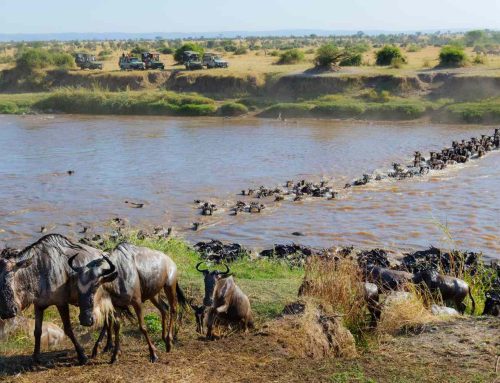
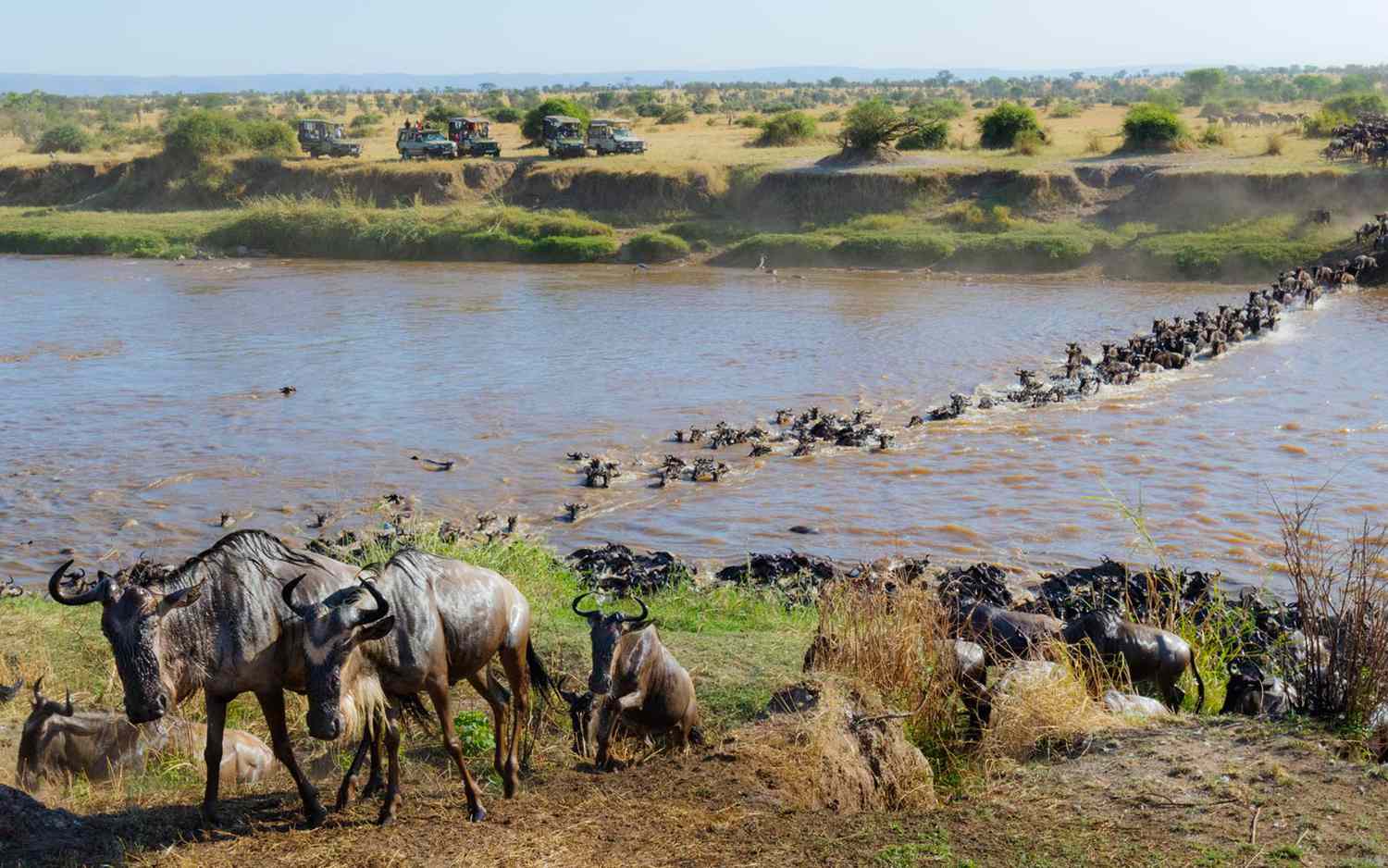
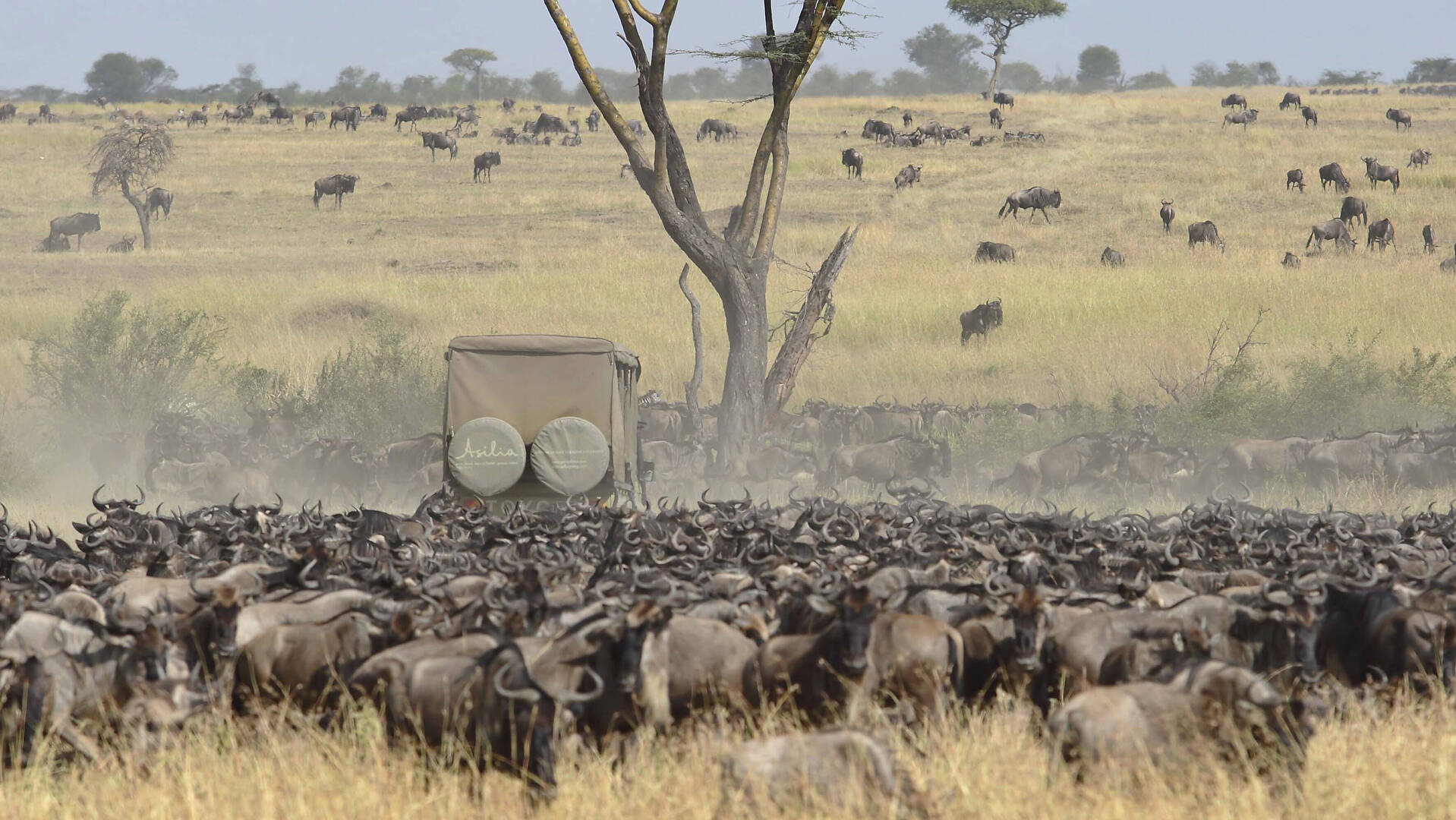
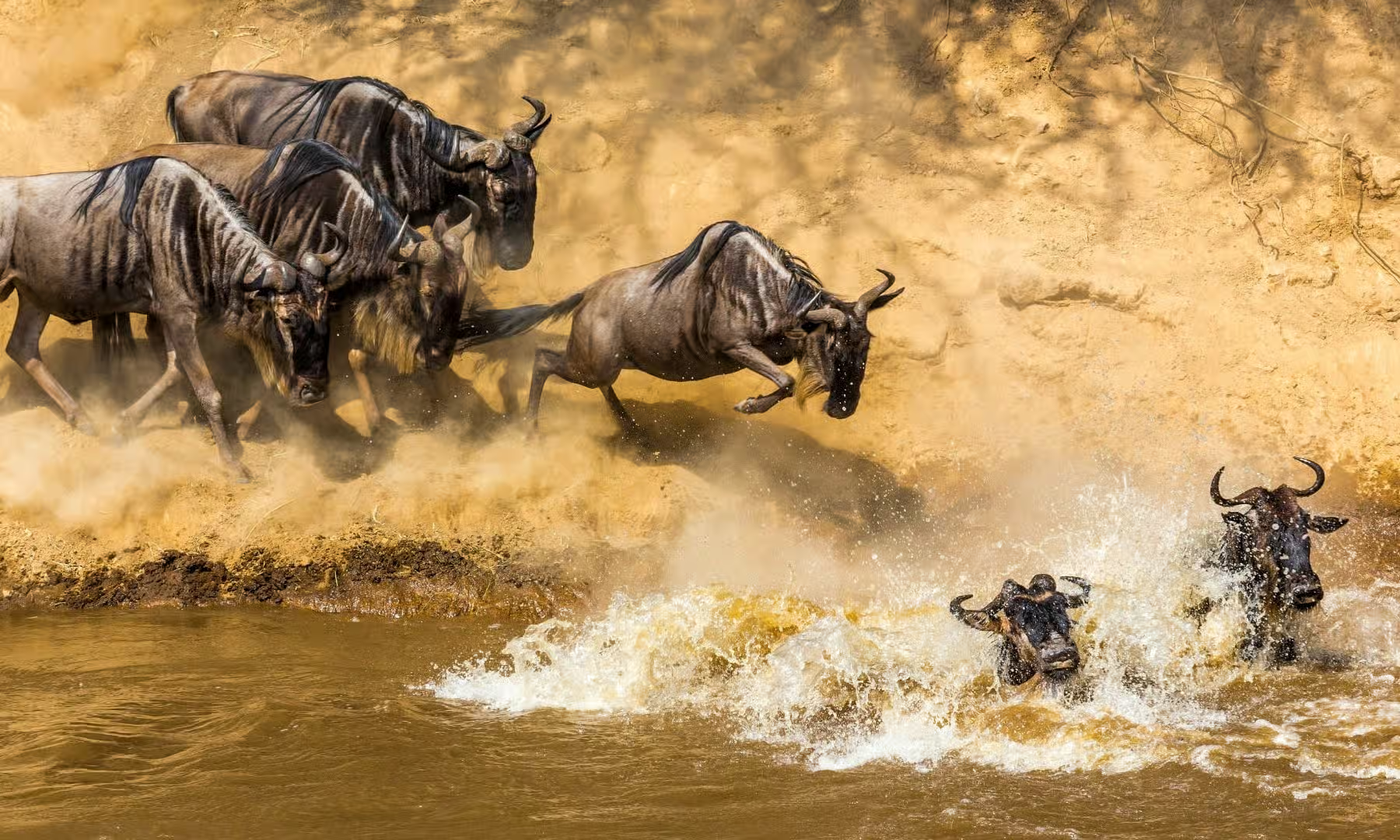
Savannah safari camps in Kenya and Tanzania are often mobile or semi-permanent, providing flexible locations near seasonal wildlife concentrations. These camps allow travelers to follow the Great Migration, stay near predator hotspots, or enjoy intimate bush experiences. Tented camps also exist in forested regions for gorilla and chimpanzee trekking, providing proximity to trailheads and immersive natural surroundings.
Booking and Accessibility
Booking accommodations in advance is crucial, especially during peak safari seasons. Gorilla trekking permits, chimpanzee tracking, and migration-related game drives attract high numbers of travelers, making nearby lodges and camps in high demand. Early reservations ensure preferred lodges, tents, or eco-camps, and allow for optimal itinerary planning.
Accessibility is also important. Many lodges are reachable via short domestic flights or manageable overland transfers. Staying near park entrances reduces long travel times to trailheads or game-viewing areas, allowing visitors to maximize early morning and late afternoon wildlife activities.
Amenities and Guest Services
Safari accommodations offer a range of amenities tailored to comfort and convenience. Luxury and mid-range lodges typically provide fine dining, Wi-Fi, laundry services, guided excursions, and hot showers. Eco-lodges focus on sustainable amenities such as solar lighting, composting toilets, and locally sourced meals.
Guest services often include professional guides, transportation to parks, wildlife briefings, and photography assistance. Some lodges and camps offer cultural experiences, hot air balloon rides, night drives, or boat safaris, adding depth to the overall safari experience.
Safety and Health Considerations
Safety in safari accommodations involves secure premises, trained staff, and adherence to park regulations. Many lodges have secure boundaries, emergency protocols, and communication systems to ensure guest safety.
Health considerations include safe drinking water, mosquito protection, and adherence to hygiene standards. Remote camps may provide basic medical kits and access to nearby health facilities. Visitors should carry personal medications and follow guidelines for safe interaction with wildlife and forest environments.
Combining Accommodation with Safari Planning
Integrating accommodation selection with safari planning enhances overall experience. Staying near key wildlife areas allows early morning treks, maximizes game drive opportunities, and reduces travel fatigue. Combining luxury, mid-range, and eco-lodge options provides diversity in experiences, from indulgent relaxation to authentic, community-focused stays.
Tailoring accommodations to each segment of a safari—rainforest treks, savannah drives, and cultural visits—ensures that travelers experience the full spectrum of East Africa’s landscapes and wildlife while maintaining comfort and accessibility.
East Africa’s accommodations and camps provide more than just a place to sleep; they shape the safari experience. From luxury lodges with panoramic views and exclusive services to eco-lodges and community-run camps offering immersive nature experiences, each option contributes to wildlife appreciation and sustainable tourism.
Proper planning, early booking, and thoughtful selection of lodging close to parks and trekking sites enhance comfort, wildlife access, and overall safari satisfaction. By choosing accommodations that align with preferences, budget, and itinerary, travelers can enjoy East Africa’s diverse landscapes, rich wildlife, and cultural heritage fully and responsibly.