

Best Time to Visit Rwanda: A Comprehensive 2026 Travel Guide
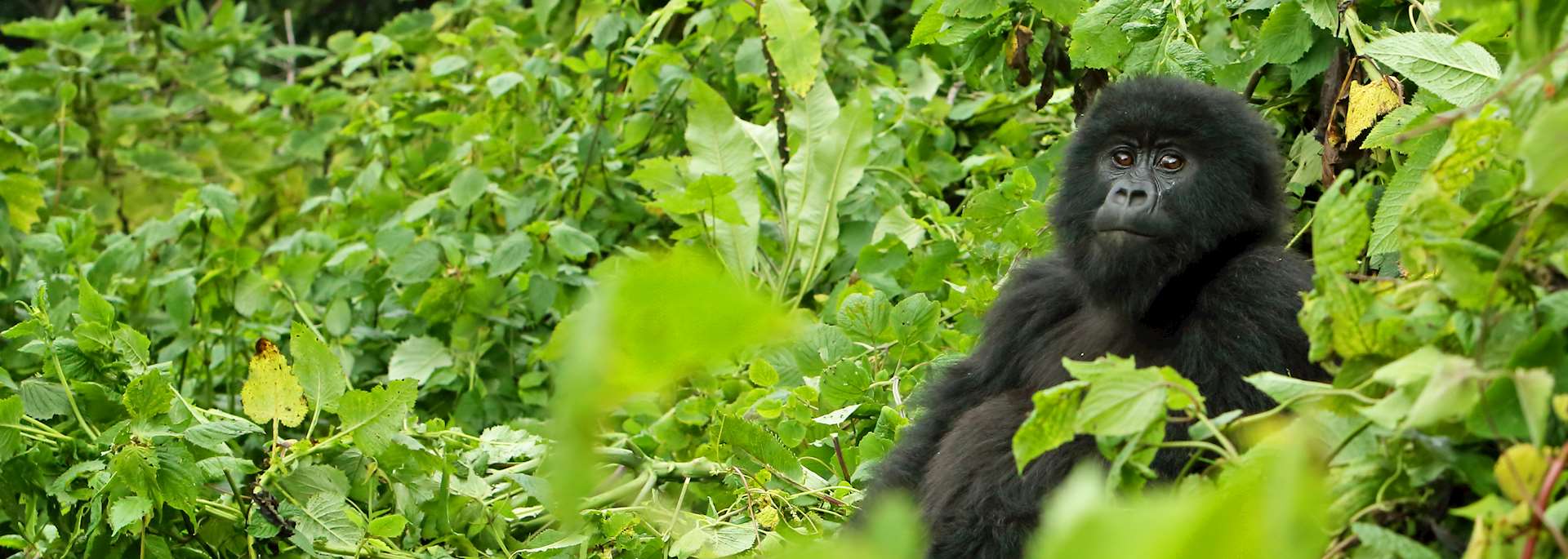
Rwanda, often called the “Land of a Thousand Hills,” is a top East African destination for wildlife enthusiasts, nature lovers, and cultural travelers. Its rolling hills, volcanic landscapes, misty lakes, and abundant national parks make it a year-round attraction. The country is best known for mountain gorilla trekking in Volcanoes National Park, chimpanzee tracking in Nyungwe National Park, and wildlife safaris in Akagera National Park.
Understanding Rwanda’s climate and seasonal patterns is essential to plan the most rewarding visit. Factors such as rainfall, park accessibility, gorilla activity, and festival timings influence the best periods to visit.
Rwanda’s Climate: Seasons and Patterns
Rwanda has an equatorial climate with relatively consistent temperatures due to its high altitude, averaging 18–27°C (64–81°F). Despite its equatorial location, the country experiences two main rainy seasons and two dry seasons:
The long rainy season occurs from March to May, bringing frequent afternoon showers and lush green landscapes. This period is ideal for photographing the vibrant hills and forests but can make trekking more challenging due to muddy trails.
The short rainy season occurs in October and November, with intermittent showers and slightly easier trekking conditions than the long rains.
Dry periods occur from June to September and December to February. These months are excellent for wildlife viewing and trekking, with firmer trails, clearer skies, and more predictable gorilla and chimpanzee behavior.
Best Time for Gorilla Trekking
Mountain gorilla trekking in Volcanoes National Park is a primary reason most travelers visit Rwanda. The best months for gorilla trekking are during the dry seasons: June to September and December to February.
During these months, trekking trails are less slippery, making it easier to navigate steep forested paths. Gorilla families are more active and easier to locate, providing better photography and observation opportunities. The dry season also allows for longer, more comfortable trekking experiences, especially for first-time visitors.
While gorilla trekking is possible during rainy months, trails can become muddy, slippery, and more physically demanding. However, visiting during rainy seasons rewards travelers with lush green forests, misty landscapes, and fewer crowds, creating a more intimate wildlife encounter.
Best Time for Chimpanzee Tracking
Chimpanzee tracking in Nyungwe National Park follows similar seasonal considerations. Dry seasons are preferred for trekking, with easier navigation through forest trails and higher chances of spotting chimpanzees and other primates.
Rainy seasons offer unique photographic opportunities, as the forest is vibrant, waterfalls are at their peak, and bird activity increases. Travelers focused on photography and forest immersion may find March–May or October–November appealing, despite the increased challenge of muddy trails.
Best Time for Safari and Big Game Viewing
Akagera National Park, Rwanda’s premier savannah and wildlife park, is home to elephants, lions, giraffes, zebras, buffaloes, and hippos. Dry months—June to September and December to February—offer the best game-viewing conditions.
During the dry season, animals congregate near water sources, making sightings easier and more predictable. Roads and tracks are more accessible for game drives, and visibility is higher due to reduced vegetation density.
Rainy seasons, while lush, can limit access to remote areas due to flooded tracks, and wildlife may be dispersed across the park. However, bird watchers may prefer rainy months when migratory and resident bird species are abundant.
Considerations for Photography
For photographers, the choice of travel season depends on the desired style:
- Dry season: Crisp skies, better visibility, easier trekking, ideal for capturing active wildlife in open landscapes.
- Rainy season: Lush greenery, misty forest ambiance, dramatic waterfalls, fewer tourists, excellent for atmospheric and creative shots.
Early mornings and late afternoons are consistently the best times of day year-round for photography, as the light is soft, golden, and enhances textures.
Cultural Events and Festivals
Rwanda’s cultural calendar can influence the best travel time:
- Kigali Up Festival (June–July): A celebration of arts, music, and local culture in the capital.
- Kwita Izina (July): Annual gorilla naming ceremony in Volcanoes National Park, an important cultural and conservation event. This is a unique opportunity for photography and cultural immersion.
- Fête de la Jeunesse (Youth Festival, August): Showcases traditional dances, sports, and local talent.
Timing visits to coincide with these festivals adds cultural depth and photographic diversity to a wildlife-centered trip.
Travel Tips for Each Season
During dry seasons:
- Book gorilla permits early, as these months are peak tourist season.
- Carry sun protection, light clothing for the day, and warmer layers for cooler mornings and evenings.
- Roads are easier for self-drive or guided tours.
During rainy seasons:
- Pack waterproof jackets, hiking boots, and rain covers for camera equipment.
- Anticipate muddy trails and slower transport times.
- Enjoy fewer crowds and vibrant scenery ideal for landscape photography.
Summary: Optimal Months to Visit
For most travelers, the best months to visit Rwanda in 2026 are:
- June to September: Dry season, ideal for gorilla trekking, chimpanzee tracking, safaris, and photography with high visibility and firm trails.
- December to February: Dry season with cooler temperatures and optimal wildlife viewing.
- March to May: Long rainy season, fewer tourists, lush scenery, and excellent for photographers willing to navigate wet trails.
- October to November: Short rains, lush landscapes, ideal for forest photography, birdwatching, and a quieter experience.
Ultimately, the dry seasons provide the most comfortable trekking conditions, while the rainy seasons offer dramatic scenery and solitude for travelers seeking a more immersive natural experience.