

Tourists Attend the Kwita Izina Gorilla Naming Ceremony, and Come Home Changed
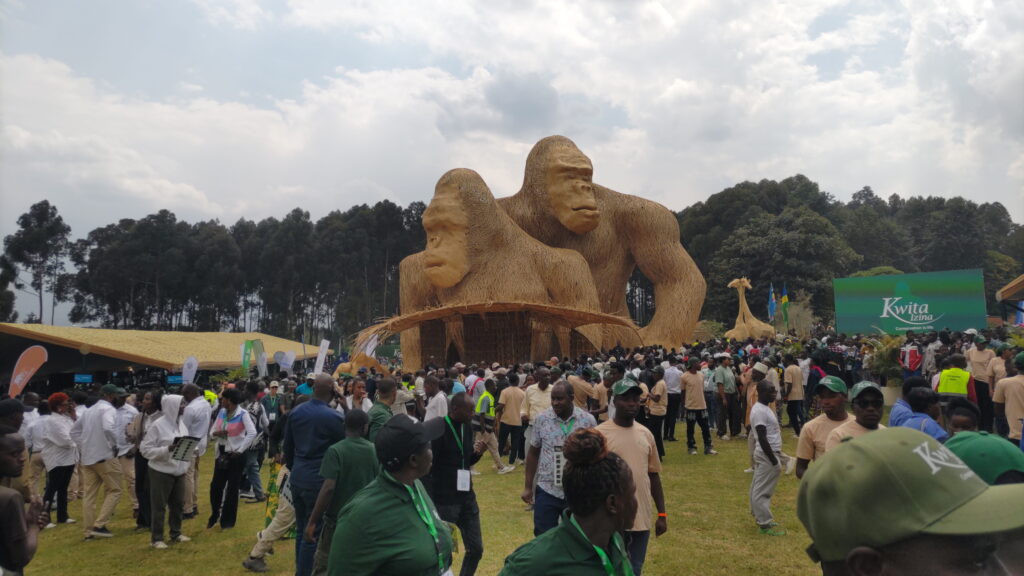
There is a field in Kinigi, at the foot of the Virunga volcanoes, where thousands of people sit in plastic chairs under a grey September sky and wait for a name to be read out loud. The name belongs to a baby gorilla most of them will never see. They cheer anyway. Every year, tourists attend the Kwita Izina gorilla naming ceremony expecting a wildlife event and leave having watched a country celebrate an animal the way most places celebrate a child.
Rwanda held the 21st edition on Friday, 4 September 2026, in Kinigi, Musanze District, under the theme “Conservation is Life: Sustaining the Future.” Twenty-two infants born over the previous twelve months received names that day. That pushed the running total to 460 gorillas named since the first ceremony in 2005. Those numbers matter, and I will come back to them, but they are not the reason people book flights.
What Kwita Izina Actually Is
“Kwita Izina” is Kinyarwanda for “to give a name.” The phrase did not start with gorillas. Rwandan families have long gathered relatives and neighbours after a birth so the community can propose names and welcome the child publicly. In 2005, the government took that format and applied it to mountain gorilla infants born in Volcanoes National Park.
The logic behind it is practical. Rangers and researchers already track individual gorillas daily, and named animals are easier to monitor across years, families and generations. Dian Fossey named the gorillas she studied for exactly that reason decades earlier. Rwanda turned the record keeping into a public event and invited the world.
The Ceremony Itself Is Not the Main Attraction
The naming takes maybe two hours. Around it sits a full week of activity, including conservation talks, community exhibitions, a business forum and events in Kigali. Attendance at the main ceremony is free and open to the public, which surprises visitors who assume a global conservation event comes with a ticket price. Local families walk in from surrounding villages. School groups fill entire sections. Government ministers sit near farmers whose land borders the park.
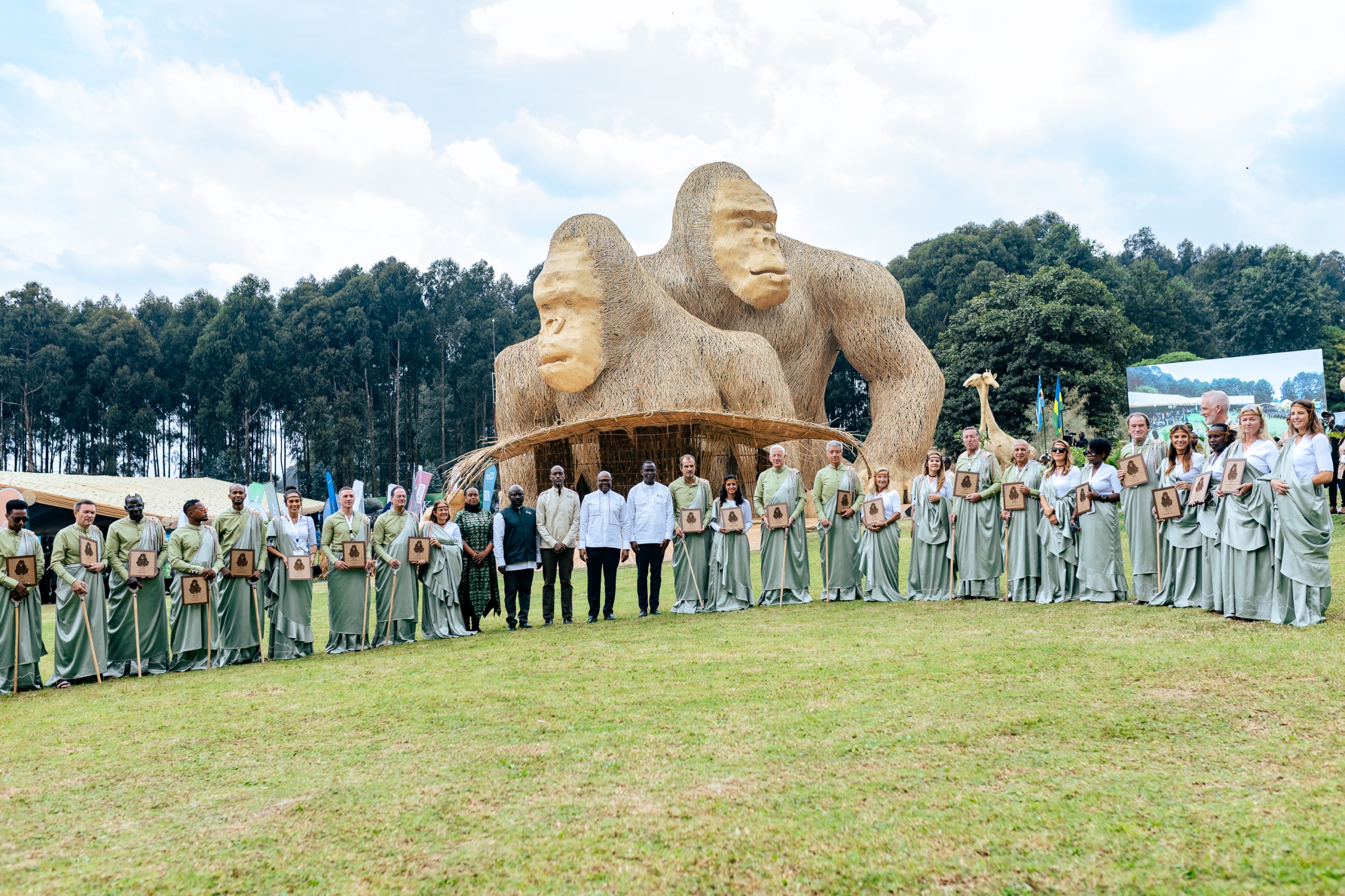
Namers are chosen each year and include rangers, trackers, researchers, vets, conservation donors and public figures. In 2026, gospel artist Israel Mbonyi named an infant called Impeta. The mix is deliberate. A tracker who has followed a gorilla family for fifteen years gets the same microphone as a visiting celebrity.
Why Tourists Attend the Kwita Izina Gorilla Naming Ceremony Year After Year
Repeat attendance is common, and it usually comes down to one thing. You are watching conservation that is working, in real time, with a number attached to it.
Mountain gorillas are the only great ape whose wild population is growing. Every other great ape species is going the other direction. In the 1980s the population sat at a few hundred animals and extinction was the honest forecast. It now sits above one thousand across the Virunga Massif and Bwindi. Twenty-two births in a single year, in one park, is what recovery looks like when you can count it.
The Money Behind the Celebration
A Rwanda gorilla trekking permit costs 1,500 US dollars per person for one hour with a habituated family. The park allows eight visitors per gorilla group per day, which caps daily access at roughly 96 permits. That ceiling is the whole model. Rwanda decided to sell fewer visits at a higher price rather than more visits at a lower one, and the animals get less human contact as a result.
Ten percent of park revenue goes back to communities living around the park through a revenue sharing programme. That money has built classrooms, health posts, water tanks and housing in Musanze and Burera districts. A farmer who once had every reason to see the forest as competition for land now has a school built with gorilla money. That shift is why poaching numbers fell, and it is the part of the story the ceremony puts on stage.
What the Day Feels Like From the Stands
Arrive early. Gates open before dawn and the good seating fills fast, and by 8am the access roads into Kinigi are slow. Bring a rain jacket. The Virungas make their own weather and a bright morning turns into cold drizzle without much warning, especially in September.
The programme opens with Intore dancers, drummers and choirs from local schools. Then the naming begins. Each infant is introduced with its birth story, its mother’s name, its family group and something specific about its behaviour. A tracker will mention that a particular infant strays further from its mother than its siblings did, or that it was born during heavy rain, and the name follows from that detail. Nothing about the naming is random.
Practical Details Worth Sorting Early
Book accommodation in Musanze at least four months out. The town has around fifteen to twenty solid options, from budget guesthouses at 40 dollars a night to lodges near the park gate charging well over 1,000 dollars, and Kwita Izina week clears most of them. Kigali to Musanze is about 105 kilometres on good tarmac, roughly two to two and a half hours by car. A seat on a public bus costs a few dollars. A private transfer runs between 100 and 150 dollars.
Rwanda issues visas on arrival for most nationalities, and citizens of all countries can get a 30 day visa at Kigali International Airport. That removes the usual paperwork anxiety from a trip planned on short notice.
Pairing the Ceremony With a Trek
Most people who travel for the ceremony also trek. Permits sell out for Kwita Izina week earlier than any other period, so secure yours through the Rwanda Development Board or a registered operator before you book flights, not after.
The trek starts at Kinigi park headquarters around 7am with briefing and group allocation. Rangers assign you to a gorilla family based on fitness and the group’s location that morning. Hiking time ranges from 30 minutes to five hours each way, at altitudes between 2,500 and 3,700 metres. The ground is steep, muddy and thick with nettles. Hire a porter for 10 to 20 dollars, not because you cannot carry your own bag but because porters are often former poachers and community members earning a legal wage from the same forest.
Then you get your hour. A silverback weighing 200 kilos sits seven metres away, eating bamboo, entirely unbothered. An infant swings off a vine and lands badly. Someone in your group forgets to breathe. That hour is the reason the permit price holds.
What to Pack
Sturdy waterproof boots already broken in, long trousers, gaiters, garden gloves for grabbing vegetation, a rain cover for your camera, and two litres of water. Leave the flash at home. It is not allowed and rangers will call you out.
The Part That Stays With You
Every September, tourists attend the Kwita Izina gorilla naming ceremony and end up talking less about the gorillas than about the crowd. Twenty thousand people sitting in a field, applauding the birth of animals most of them will never encounter, in a country that thirty years ago was known internationally for something else entirely.
That contrast lands hard. Rwanda rebuilt a national story around protecting a species rather than extracting from it, and it made the economics work well enough that other countries now study the model. Gorilla tourism became one of Rwanda’s largest foreign exchange earners without opening the park to mass traffic.
You can sit in that field for two hours and come away with a clear idea of what focused policy and community buy-in can produce over twenty years. Few travel experiences hand you that.
An Honest Word About Expectations
No gorillas appear at the ceremony. Some visitors arrive genuinely expecting to see one, and the disappointment is avoidable. The infants stay in the forest with their families, where they belong. What you see on stage are dancers, speakers, a large sculpture, and the names themselves read out one by one.
Speeches run long. Several ministers and partner organisations speak, and portions of the programme are in Kinyarwanda without translation. If you need every minute to be entertaining, this is not that kind of event. Sit near a local family and ask questions during the slower stretches. Most people are happy to explain what is being said, and those conversations tend to be better than the speeches.
Crowds get heavy at the exits. Arrange your driver to wait at a fixed point outside the main access road and walk the extra ten minutes rather than sitting in traffic for an hour.
Planning Your Own Trip
The 2027 ceremony will likely fall in early September again, and the Rwanda Development Board usually confirms the date around June. Plan a seven to nine day trip and you can fit the ceremony, a gorilla trek, golden monkey tracking in the same park, a Dian Fossey tomb hike, and two or three days in Nyungwe or Akagera.
Budget honestly. A mid range nine day trip with one gorilla permit lands somewhere between 3,500 and 5,000 dollars per person excluding international flights. The permit alone is 1,500 of that. Travelling with three or four people cuts the per person cost of transport and guiding by a third or more.
When tourists attend the Kwita Izina gorilla naming ceremony without a trek booked, they almost always regret it. The ceremony gives you the story and the trek gives you the animal, and the two work best on the same trip.
Book the permit first. Everything else in Rwanda is easy to arrange around it.