


Olorgesailie Prehistoric Site: Open Air Archaeology Museum
Discovering Kenya’s Ancient Human History: Kenya is widely known for its incredible wildlife, dramatic landscapes, and rich cultural traditions, but beneath its modern beauty lies a story that stretches back millions of years. In the southern part of the country, near Magadi in Kajiado County, a remarkable archaeological destination preserves evidence of early human activity and offers a rare connection to the distant past.
This location invites travelers to explore the origins of human creativity, survival, and adaptation. Long before cities, roads, and modern communities existed, early humans walked across the landscapes of Kenya searching for food, water, and shelter.
They created tools, adapted to changing environments, and developed skills that helped shape human evolution. Visiting this historic location gives you a chance to stand where ancient communities once lived and imagine the challenges they faced in a changing world.
The site is surrounded by scenic views of the Great Rift Valley, making the journey as memorable as the destination itself. The open landscapes, volcanic formations, and peaceful surroundings create a special atmosphere where archaeology and nature come together. It is a place where travelers can learn, reflect, and appreciate the long journey of humanity.
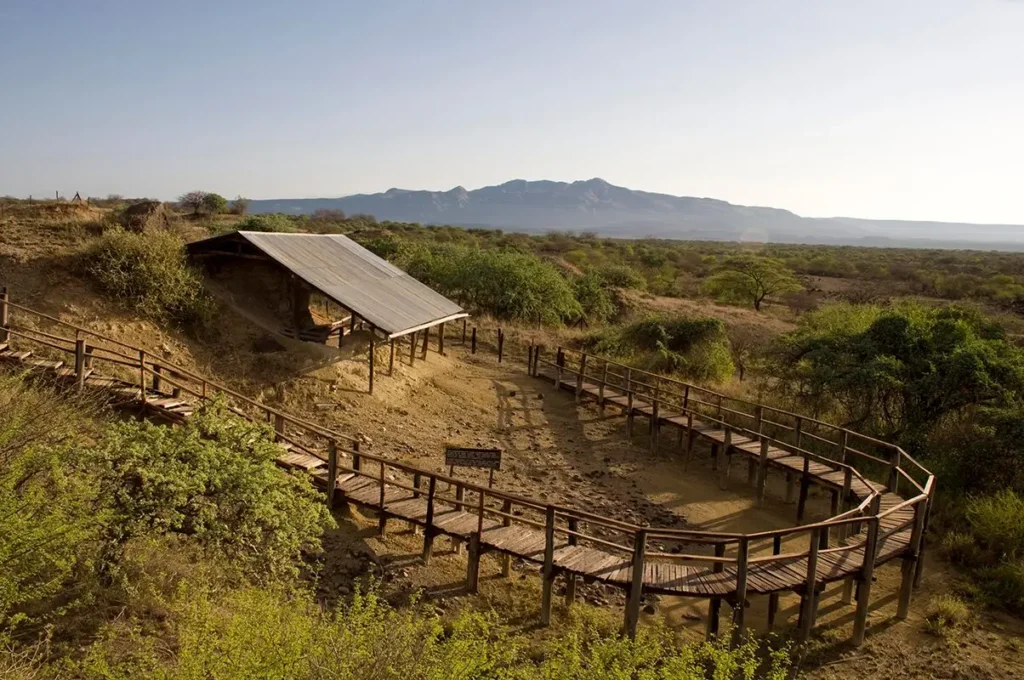
Exploring Olorgesailie Prehistoric Site
Open-Air Archaeology Museum and Its Ancient Discoveries. The importance of this archaeological destination comes from the discoveries made there over many years. Researchers have uncovered thousands of stone tools, animal fossils, and evidence showing how early humans interacted with their environment.
These findings have helped scientists understand how ancient people lived and how they developed techniques for survival. The site is especially famous for its large collection of hand axes and stone tools believed to have been created by early humans hundreds of thousands of years ago.
These tools reveal the intelligence and practical skills of communities that depended on hunting, gathering, and careful use of natural resources. Walking through the area allows visitors to see preserved excavation sections and displays that explain the discoveries. Unlike traditional museums where artifacts are kept inside buildings, this destination allows you to experience archaeology within the actual landscape where these objects were found.
The surrounding environment also provides clues about the past. Geological changes, climate shifts, and movements of ancient lakes influenced how humans and animals lived in the region. The discoveries found here show that early communities were constantly adjusting to new conditions, proving the importance of adaptability throughout human history.
A Journey Through Kenya’s Prehistoric Landscape
A visit to this archaeological treasure is more than a sightseeing activity.
It is an educational experience that connects travelers with the earliest chapters of human existence. As you walk along the pathways, you can observe the areas where researchers studied ancient remains and learn how scientists use evidence to reconstruct the past.
The landscape creates a strong sense of connection between the present and ancient times. The dry plains, distant hills, and wide skies provide a setting similar to what early inhabitants may have experienced thousands of years ago.
This environment helps visitors understand the relationship between humans and nature throughout history. Many travelers combine a visit to this destination with other attractions around Nairobi and the Great Rift Valley. Its location makes it suitable for a day trip for those interested in history, photography, geology, and cultural experiences. The peaceful surroundings provide a refreshing escape from busy city life.
Photography enthusiasts will also find many opportunities to capture unique scenes. The combination of archaeological features, open landscapes, and Rift Valley scenery creates memorable images. Early morning and late afternoon provide beautiful lighting conditions for capturing the character of the area.
Learning About Early Human Innovation and Survival
The discoveries made at this location demonstrate that human innovation began thousands of generations ago. Stone tools may appear simple today, but they represented important technological achievements for early communities.
Creating tools required planning, knowledge of materials, and an understanding of how objects could be shaped for different purposes. These ancient inventions helped humans process food, protect themselves, and manage daily challenges. They show that problem-solving and creativity have always been important parts of human development.
Educational visits to archaeological sites like this are valuable for students, families, and curious travelers. Young visitors can gain a deeper understanding of history by seeing real evidence rather than only reading about it in books. The experience encourages interest in science, anthropology, and conservation.
The site also reminds visitors that protecting historical places is essential. Archaeological discoveries provide information that cannot be replaced once damaged or lost. Responsible tourism helps preserve these areas so future generations can continue learning from them.
Planning Your Visit to This Historic Destination: Before visiting,
travelers should prepare for an outdoor experience. The area can be warm and dry, so carrying drinking water, wearing comfortable clothing, and using sun protection is recommended. Comfortable walking shoes are useful because exploring the grounds involves moving across natural terrain.
A local guide can make the experience more meaningful by explaining the history, discoveries, and importance of different sections. Guides help visitors understand details that may not be obvious when exploring alone. The destination is accessible from Nairobi, making it a convenient addition to a Kenya itinerary.
Travelers interested in combining history with nature can include it alongside Great Rift Valley viewpoints, wildlife areas, and cultural attractions. The best time to visit is usually during cooler morning hours when walking conditions are more comfortable. The dry seasons often provide easier access, although the area can be visited throughout the year depending on weather conditions.
Why Archaeological Tourism Matters in Kenya
Kenya’s tourism story extends beyond wildlife safaris. Archaeological destinations add another layer to the country’s identity by showing how human history developed over time. These places help travelers understand that Kenya has been an important part of the human story for countless generations.
The preservation of ancient sites supports research, education, and local tourism opportunities. Communities near these destinations benefit when visitors support guides, transport providers, and nearby services. For travelers seeking meaningful experiences, archaeological tourism offers a different type of adventure. Instead of only observing landscapes, visitors gain knowledge about the people who shaped them long before modern civilization.
Experiencing the Olorgesailie Prehistoric Site
Open-Air Archaeology Museum Through Responsible Travel. The value of this historic destination comes from the connection it creates between people and the past. Every stone tool and fossil represents a moment in a much larger story of survival and discovery. Exploring the area encourages visitors to appreciate how far humanity has traveled and how important ancient knowledge remains today.
Responsible travel plays an important role in protecting such locations. Visitors should follow guidelines, avoid disturbing archaeological areas, and respect the natural surroundings. Simple actions help maintain the site for researchers and future explorers. The experience is ideal for travelers who enjoy history, science, and unique destinations away from crowded tourist routes. It offers a quiet opportunity to learn while enjoying the beauty of Kenya’s Rift Valley scenery.
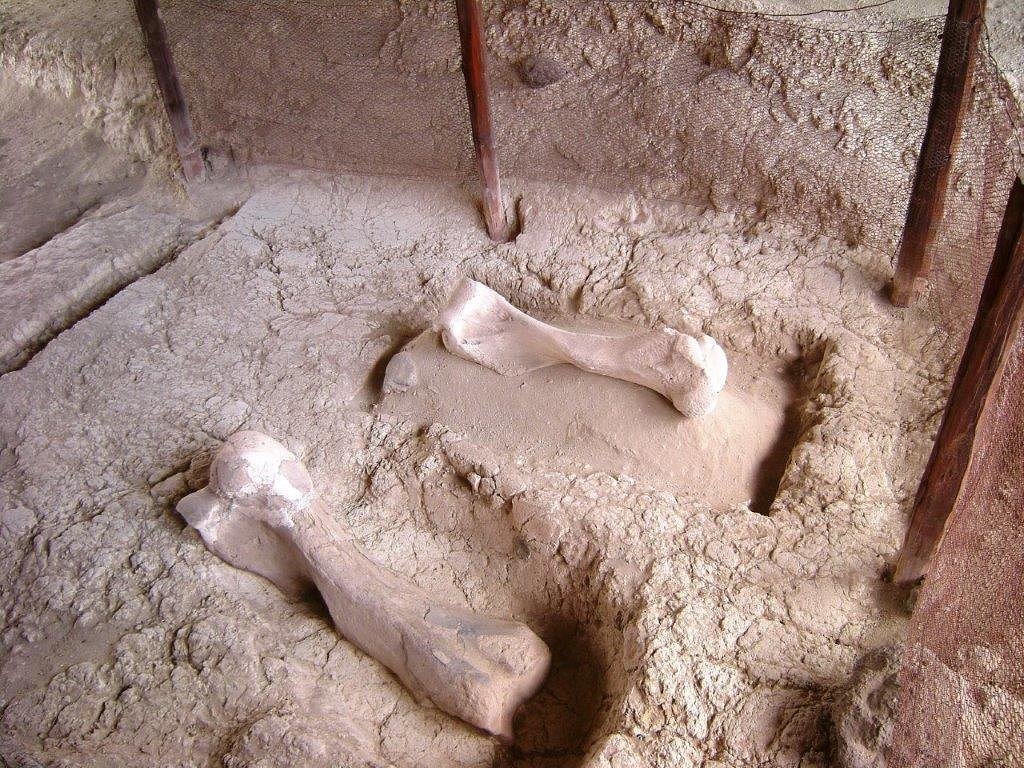
A Historic Stop for Curious Travelers
Kenya continues to surprise visitors with destinations that reveal different sides of its heritage. While wildlife remains one of the country’s biggest attractions, ancient sites provide a deeper understanding of the land and its people.
The story preserved here is one of creativity, adaptation, and resilience. It shows that human beings have always searched for solutions, explored their surroundings, and developed new ways to survive. A journey to this remarkable archaeological destination leaves visitors with a stronger appreciation for history and the natural world. It is a place where the past feels close, where every pathway carries a story, and where travelers can discover one of Kenya’s most important connections to early humanity.
Discovering Olorgesailie Prehistoric Site
Open Air Archaeology Museum as a Window Into Human Origins: Standing among ancient tools and preserved landscapes offers a powerful reminder that history is not only found in books. It exists in the ground beneath our feet, in the places where generations before us lived, worked, and adapted.
This destination provides an opportunity to slow down, explore, and understand the remarkable journey of human development. Whether you are a history lover, a photographer, a student, or an adventurous traveler, the experience offers valuable memories and a deeper connection to Kenya’s ancient heritage.