


7-Day Tanzania Safari Itinerary: The Perfect Northern Circuit
A 7-day Tanzania safari focused on the Northern Circuit is one of the most efficient and rewarding ways to experience East Africa for the first time. It combines high wildlife density, diverse landscapes, and relatively short travel distances into a structured itinerary that delivers consistent results without feeling rushed.
The Northern Circuit is anchored by iconic destinations such as Serengeti National Park, Ngorongoro Crater, and Tarangire National Park. These parks form a natural loop that allows travellers to move logically through different ecosystems while maintaining a strong rhythm of game viewing.
This 7-day structure is designed specifically for first-time visitors who want a complete, well-paced safari experience within a limited timeframe.
Why 7 days works for the Northern Circuit
Seven days is the minimum duration that allows meaningful time in each key ecosystem without excessive travel pressure.
Shorter itineraries often reduce time in the Serengeti, which weakens the overall experience. Longer itineraries allow more depth, but seven days provides a strong balance between efficiency and quality.
This timeframe allows:
A proper introduction in Tarangire
Multiple nights in the Serengeti for deep wildlife immersion
A full exploration of the Ngorongoro Crater
The result is a layered safari experience that builds from variety to intensity to ecological uniqueness.
Day 1: Arrival in Arusha and safari preparation
Most Northern Circuit safaris begin in Arusha, the logistical hub for northern Tanzania.
Travellers typically arrive via Kilimanjaro International Airport and transfer to a lodge in or near Arusha for their first night.
This day is intentionally light.
It allows time to recover from travel, meet guides, review the itinerary, and prepare for early departure the following morning.
Arusha acts as the transition point between international travel and the safari environment.
Day 2: Tarangire National Park – elephants and baobabs
The safari begins with a drive to Tarangire National Park.
Tarangire is often underestimated, but it plays a critical role in the itinerary by introducing wildlife in a less crowded environment.
The park is known for:
Large elephant herds
Ancient baobab trees
Seasonal river systems that attract wildlife
Game drives here provide a strong start to the safari, with good chances of seeing elephants, giraffes, zebras, and predators such as lions.
Compared to the Serengeti, Tarangire feels quieter and more contained, making it an ideal first step into the safari experience.
Day 3: Journey to the Serengeti – transition into open plains
Day 3 involves one of the most important transitions in the itinerary: moving from Tarangire toward the Serengeti.
The route typically passes through the Ngorongoro highlands before descending into the Serengeti ecosystem.
Arrival in Serengeti National Park marks a shift in scale.
The landscape opens into vast plains, and wildlife density increases significantly.
An afternoon game drive introduces the Serengeti’s ecosystem, with early sightings often including large herbivore herds and predators.
This day is about transition—both geographically and experientially.
Day 4: Full-day Serengeti safari – high-density wildlife viewing
Day 4 is dedicated entirely to the Serengeti.
This is where the safari reaches its most immersive phase.
Game drives begin early in the morning and continue through the day, either as a full-day drive with a picnic lunch or split into morning and afternoon sessions.
The Serengeti offers:
High predator density
Large herbivore populations
Open landscapes that allow for extended wildlife observation
Depending on the time of year, this may also coincide with the Great Migration.
Even outside migration periods, wildlife viewing remains consistently strong.
This day is focused on intensity and volume.
Day 5: Serengeti exploration and deeper tracking
A second full day in the Serengeti is essential for a complete experience.
This allows guides to move beyond general sightings and focus on tracking specific species or behaviors.
You may follow lion prides, observe cheetah hunts, or track leopard movements along river systems.
Spending multiple days in one ecosystem increases the depth of the experience.
Wildlife encounters become more contextual rather than isolated.
This is where the Serengeti shifts from spectacle to understanding.
Day 6: Ngorongoro Crater – a unique ecosystem
On Day 6, the safari transitions to the Ngorongoro Crater.
This UNESCO-listed site is one of the most unique wildlife environments in Africa.
The crater is a natural enclosure that contains a high concentration of wildlife within a relatively small area.
Descending into the crater feels like entering a self-contained ecosystem.
Game drives here often include:
Black rhino sightings (one of the few reliable places in Tanzania)
Dense populations of lions and hyenas
Large herds of buffalo and other herbivores
The landscape is dramatically different from the Serengeti, with a mix of grasslands, wetlands, and forest patches.
This day provides contrast and variety within the itinerary.
Day 7: Return to Arusha and departure
The final day involves returning to Arusha.
Depending on flight schedules, travellers may have a relaxed morning before departure or travel directly after breakfast.
This marks the end of the safari loop.
The return journey provides a final transition from wilderness back to urban infrastructure.
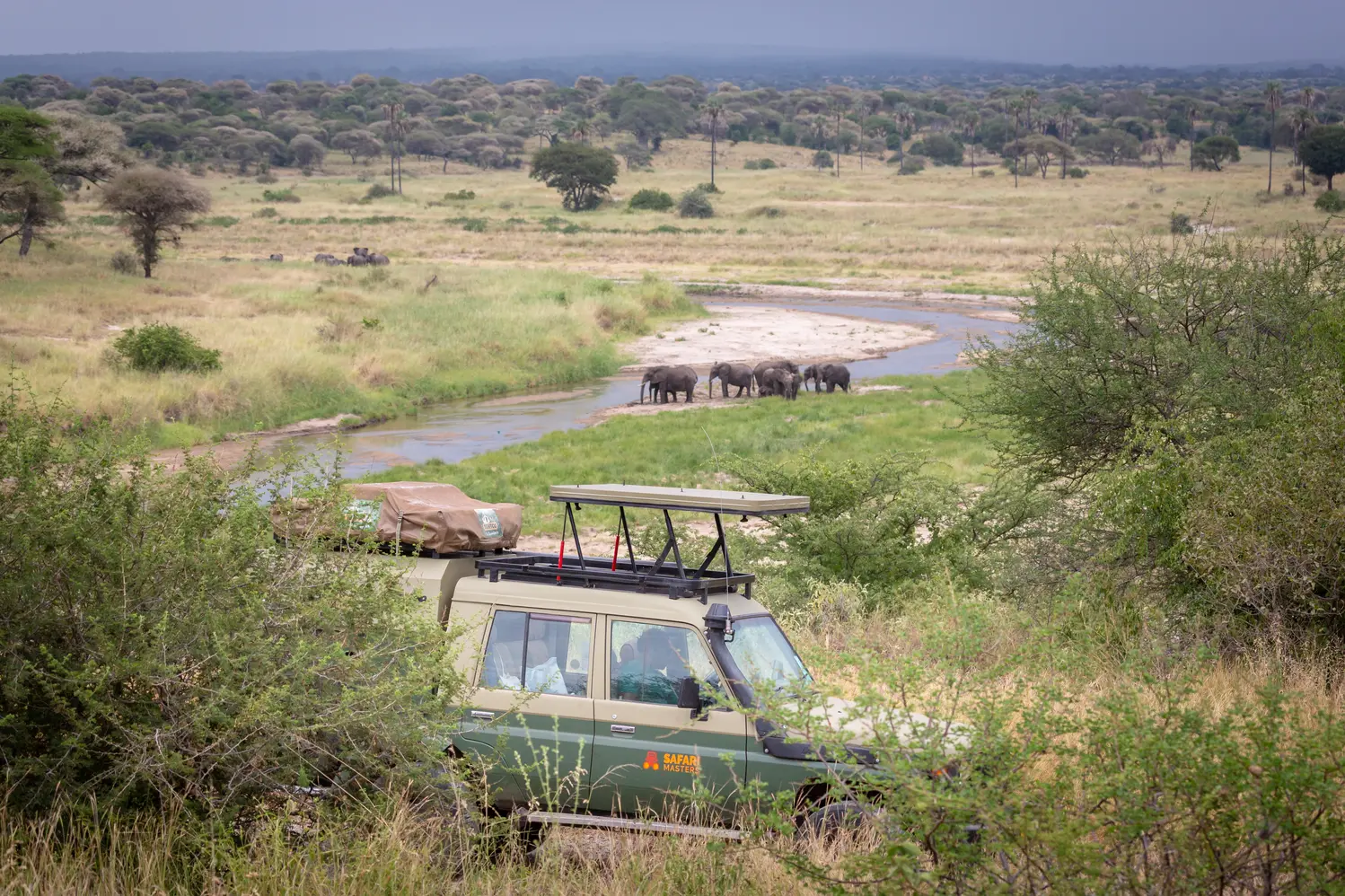
How the itinerary is structured for maximum impact
The strength of this 7-day itinerary lies in its progression.
It begins with a gentle introduction in Tarangire, builds into high-intensity wildlife viewing in the Serengeti, and concludes with a concentrated ecosystem in Ngorongoro.
Each destination serves a specific purpose.
Tarangire introduces wildlife in a quieter setting
Serengeti delivers scale and density
Ngorongoro provides a unique, enclosed environment
This sequencing ensures that the experience evolves rather than repeats.
Travel logistics and pacing
One of the advantages of the Northern Circuit is manageable travel distances.
While there are longer drives, especially between Tarangire and the Serengeti, the route is logical and widely used.
Some itineraries replace long drives with light aircraft flights to reduce travel time.
Pacing is designed to balance movement and immersion.
Most days include early morning starts, which are essential for wildlife activity, followed by rest periods in the middle of the day and afternoon game drives.
Seasonal flexibility of this itinerary
This 7-day Northern Circuit itinerary works year-round, but seasonal variations affect where wildlife is concentrated.
During migration periods, Serengeti routing may shift to follow herd movement.
In dry months, wildlife in Tarangire becomes more concentrated around river systems.
The structure remains consistent, but the experience adapts to seasonal conditions.
Accommodation strategy within the itinerary
Accommodation choices play a significant role in how the itinerary feels.
Lodges in Tarangire are often located near river systems for wildlife access.
Serengeti camps vary depending on migration positioning and preferred level of exclusivity.
Ngorongoro accommodations are typically located on the crater rim, offering quick access for early descent.
Balancing location and comfort is key to maximizing time in the field.
Who this itinerary is best suited for
This 7-day Northern Circuit safari is ideal for:
First-time safari travellers
Visitors with limited time
Travellers seeking high wildlife density and iconic landscapes
It delivers a complete introduction to Tanzania’s safari offering without unnecessary complexity.
What to expect from a 7-day safari experience
A 7-day safari in the Northern Circuit is immersive but structured.
Days are active, with early starts and multiple game drives.
Wildlife encounters are frequent, especially in the Serengeti and Ngorongoro.
The experience is intense but balanced by lodge downtime and varied landscapes.
It is designed to provide a comprehensive safari introduction within a compact timeframe.
Why this itinerary remains the benchmark
The Northern Circuit has become the benchmark for Tanzania safaris because of its consistency.
It offers reliable wildlife viewing, diverse landscapes, and well-developed logistics.
This 7-day itinerary captures those strengths in a format that is accessible, efficient, and highly effective for first-time visitors.