


7-Day Rwanda Itinerary: Gorillas, Chimps and Safaris
The first thing I learned about Rwanda is that most people do it wrong. Not wrong like they have a bad time. Wrong like they come for the gorillas, see the gorillas, and leave. Three days. Maybe four. Fly into Kigali, drive to the volcanoes, trek, fly home. And listen — I get it. The gorillas are incredible. They’re worth the trip on their own. But Rwanda has more than gorillas.
It has chimpanzees in a rainforest so ancient it survived the ice age. It has savannahs with lions and elephants and rhinos, making a comeback that nobody thought possible. It has lakes and mountains and hills so green you’ll wonder if someone turned up the saturation.
You can see all of it in a week. Not rushed. Not exhausted. Just… well-paced. A proper safari that gives you gorillas, chimps, and Big Five savannah action in seven days. I’ve done this itinerary. I’ve tweaked it over multiple trips. And here’s what I’ve learned.
Why Seven Days?
Three days is a sprint. You land. You drive. You trek. You leave. You spend more time in airports and vehicles than in the wild.Seven days is different. It’s a rhythm.
You start in Kigali — get your bearings, visit the memorial, adjust to the time zone. Then you head south to Nyungwe for chimpanzees and canopy walks. Then you swing east to Akagera for savannah safaris. Then you finish in the north at Volcanoes National Park for the gorillas.
You end where everyone starts — but you’ve earned it. You’ve seen the country. You’ve hiked through three different ecosystems. You’ve watched primates and predators and plains game.
And when you finally sit in front of that silverback, you’re not exhausted from travel. You’re ready. Present. Grateful. That’s the difference a week makes.
The Quick Overview
Here’s what the week looks like on paper.
-
Day 1: Arrive in Kigali. City tour, Genocide Memorial. Overnight Kigali.
-
Day 2: Drive to Nyungwe Forest. Afternoon canopy walk. Overnight Nyungwe.
-
Day 3: Chimpanzee trekking in Nyungwe. Afternoon drive to Lake Kivu. Overnight Lake Kivu.
-
Day 4: Morning at Lake Kivu. Drive to Akagera National Park. Overnight Akagera.
-
Day 5: Full day in Akagera — morning game drive, afternoon boat safari. Overnight Akagera.
-
Day 6: Morning game drive in Akagera. Drive to Musanze (Volcanoes National Park). Overnight Musanze.
-
Day 7: Gorilla trekking. Afternoon drive to Kigali. Evening departure or overnight.
That’s the skeleton. Here’s the flesh.
Day 1: Arrival in Kigali
You land at Kigali International Airport. It’s small. It’s efficient. You’ll be through immigration and baggage claim before you’ve finished your first cup of airport coffee. Your driver will be waiting. This is Rwanda — things work here. Before you do anything else, you need to decide about the Genocide Memorial.
The Kigali Genocide Memorial is one of the most important memorials in the world. It’s beautifully done. It’s respectful. It’s also devastating. You will cry. Everyone cries. Some people skip it. They say they’re here for a safari, not for sadness. I understand that.</span>
But here’s what I think. You can’t understand Rwanda without understanding what happened here. The genocide shaped everything — the government, the roads, the safety, the pride, the determination to build something new. Spending two hours at the memorial gives you context for everything else you’ll see.
After the memorial, drive around Kigali. It’s a beautiful city — clean, green, surprisingly hilly. The streets have actual sidewalks. There’s art and coffee shops and restaurants that wouldn’t feel out of place in Europe.
Have dinner at a local spot. Try the brochettes — grilled meat skewers, usually goat or beef. The food is simple but good.
Where to stay in Kigali
-
Splurge: The Retreat — beautiful, peaceful, incredible service.
-
Mid-range: Kigali Serena Hotel — reliable, comfortable, good location.
-
Budget: Discover Rwanda Youth Hostel — clean, social, cheap.
Day 2: Kigali to Nyungwe Forest
After breakfast, you drive south. The road to Nyungwe is about 4-5 hours. It’s paved. It’s windy. The landscape changes from city to farmland to hills to forest.
You’ll pass through the famous “thousand hills” — and they’re not exaggerating. Every time you think you’ve seen the most beautiful view, you turn a corner and there’s another one.
Arrive at Nyungwe around lunchtime. Check into your lodge. Eat. Rest. In the afternoon, you’re doing the canopy walk.
I wrote about this in another post, so I’ll keep it brief. The canopy walk is a suspension bridge, 50 meters high, 90 meters long, suspended above the rainforest. It’s not terrifying — it’s exhilarating. The views are unreal. You’re walking through the treetops, surrounded by birds and monkeys and the sound of the forest breathing.
Do it in the late afternoon. The light is golden. The crowds are gone. And the forest feels like it’s waking up for the evening shift.
Where to stay near Nyungwe
-
Splurge: Nyungwe House — tea plantation lodge, beautiful, expensive.
-
Mid-range: Nyungwe Top View Hill Hotel — great views, comfortable, good value.
-
Budget: Gisakura Guesthouse — basic, but right at the park entrance.
Day 3: Chimpanzee Trekking and Lake Kivu
Wake up early. Like, 4:30 AM early. Chimpanzees are most active in the morning. They wake up, they start calling, they begin their day of moving and feeding. The trackers go into the forest before dawn to find them. You meet them at the trailhead around 5:30 AM.
The trek is harder than gorilla trekking. Not because the terrain is worse — though it’s steep and muddy — but because chimps move constantly. You’ll hike for an hour, find where they were, then hike again. And again. And again. The success rate is high — over 90% — but it’s not guaranteed.
When you find them, you’ll hear them before you see them. Pant-hoots. That’s what researchers call it. A series of loud, rising calls that build into something almost like a scream. It’s one of the most incredible sounds in the natural world.
You get one hour with the chimps. Same as gorillas. But the chimps won’t sit still for photos. They’re moving, swinging, playing, arguing. You’ll work for every good shot. After the trek, you’ll be exhausted and exhilarated. Eat lunch. Then drive to Lake Kivu.
Lake Kivu is one of the African Great Lakes. It’s huge — over 2,700 square kilometers. It’s also one of the most beautiful places in Rwanda. Green hills sloping down to clear blue water. Small towns along the shore. Boats bobbing in the harbor.
The drive from Nyungwe to Lake Kivu is about 2-3 hours. You’ll arrive in the late afternoon — just in time to watch the sunset over the water.
This is your rest day. Sort of. You’ve earned it.
Where to stay on Lake Kivu
-
Splurge: Lake Kivu Serena Hotel — beautiful grounds, good food, right on the water.
-
Mid-range: Paradise Malahide — eco-lodge, quiet, stunning views.
-
Budget: Home Saint Jean — simple, clean, run by a local church.
Day 4: Lake Kivu to Akagera National Park
Spend the morning on the lake. You don’t have to do anything. That’s the point. Sleep in. Eat a leisurely breakfast. Sit on the shore and watch the fishermen. Take a short boat ride if you feel like it. Lake Kivu is the breather between the forests and the savannah. Use it. Around mid-morning, you start driving to Akagera.
This is a long drive. 5-6 hours, depending on traffic and road conditions. You’ll cross most of the country — from the western lakeshore, through Kigali, all the way to the eastern border with Tanzania.
The landscape changes dramatically. The hills flatten. The green fades to gold. The air gets hotter. You’re entering savannah country.
Arrive at Akagera in the late afternoon. Check into your lodge. If you have time, do a short evening game drive. The light is soft. The animals are starting to move. It’s a perfect introduction.
Where to stay in Akagera
-
Splurge: Magashi Camp — exclusive, private, expensive. Only six tents.
-
Mid-range: Ruzizi Tented Lodge — comfortable, great location on the lake.
-
Budget: Akagera Game Lodge — older, simpler, but perfectly fine.
Day 5: Full Day in Akagera
This is your safari day. Start early. 6:00 AM. The morning game drive is when the predators are active — lions, hyenas, maybe a leopard if you’re lucky.
Akagera is Rwanda’s only Big Five destination. Lions, leopards, elephants, buffalo, and rhinos — both black and white. Plus giraffes, zebras, hippos, crocodiles, and over a dozen antelope species.
The park is about 433 square miles. The roads are decent. The crowds are almost non-existent. You’ll often have sightings to yourself.
Spend the morning driving through the savannah, the woodlands, the wetlands along the lakes. Take breaks at the viewpoints. Watch elephants at the water’s edge. Around midday, head back to the lodge. Eat lunch. Rest. The animals are sleeping anyway. In the afternoon, do the boat safari on Lake Ihema.
I’ve said this before and I’ll say it again: don’t skip the boat safari. Hippos surfacing right next to the boat. Crocodiles basking on the banks. Elephants coming down to drink. And the birds — fish eagles, kingfishers, herons, maybe a shoebill if you’re blessed.
The sunset cruise is the best. The light turns the water gold. The hippos start grunting. The birds call. You’ll float there, in the middle of the lake, and wonder why anyone does anything else.
Pro tip: Book the boat safari in advance. It fills up, especially in high season.
Day 6: Akagera to Musanze (Volcanoes National Park)
One more morning in Akagera. Another early game drive. 6:00 AM. The animals are active. The light is beautiful. And you’ll have the park mostly to yourself — most tourists leave after the boat safari.
Spend 2-3 hours driving. Look for anything you missed yesterday. That leopard that didn’t show. The rhinos that were hiding. The lions that were sleeping too deeply to notice you. Then, around mid-morning, you drive north to Musanze.
This is another long drive — 4-5 hours. You’ll pass through Kigali again, then climb into the northern highlands. The hills get steeper. The air gets cooler. The vegetation gets greener.
Musanze is the town nearest Volcanoes National Park. It’s a bustling little city — shops, restaurants, hotels, the headquarters for gorilla trekking. Arrive in the late afternoon. Check into your lodge. Rest. Prepare for tomorrow.
Where to stay in Musanze
-
Splurge: Bisate Lodge — spectacular, eco-friendly, ridiculously beautiful.
-
Mid-range: Five Volcanoes Boutique Hotel — comfortable, great service, good value.
-
Budget: Hotel Muhabura — basic, but clean and close to the park.
Day 7: Gorilla Trekking and Departure
This is the day.Wake up at 5:00 AM. Eat breakfast — eat more than you think you need. You’ll burn it off. Drive to the park headquarters. Arrive by 6:30 AM for the briefing. The rangers will explain the rules, assign you to a gorilla family, and answer questions.Then you drive to the trailhead. Meet your guide. Meet your trackers. And start hiking.
I’ve written about gorilla trekking several times. I won’t repeat everything here. But here’s what you need to know. The hike can be 1-4 hours each way. The terrain is steep and muddy. The vegetation is thick. You will get dirty. You will get tired.You will also forget all of that the moment you see the gorillas.
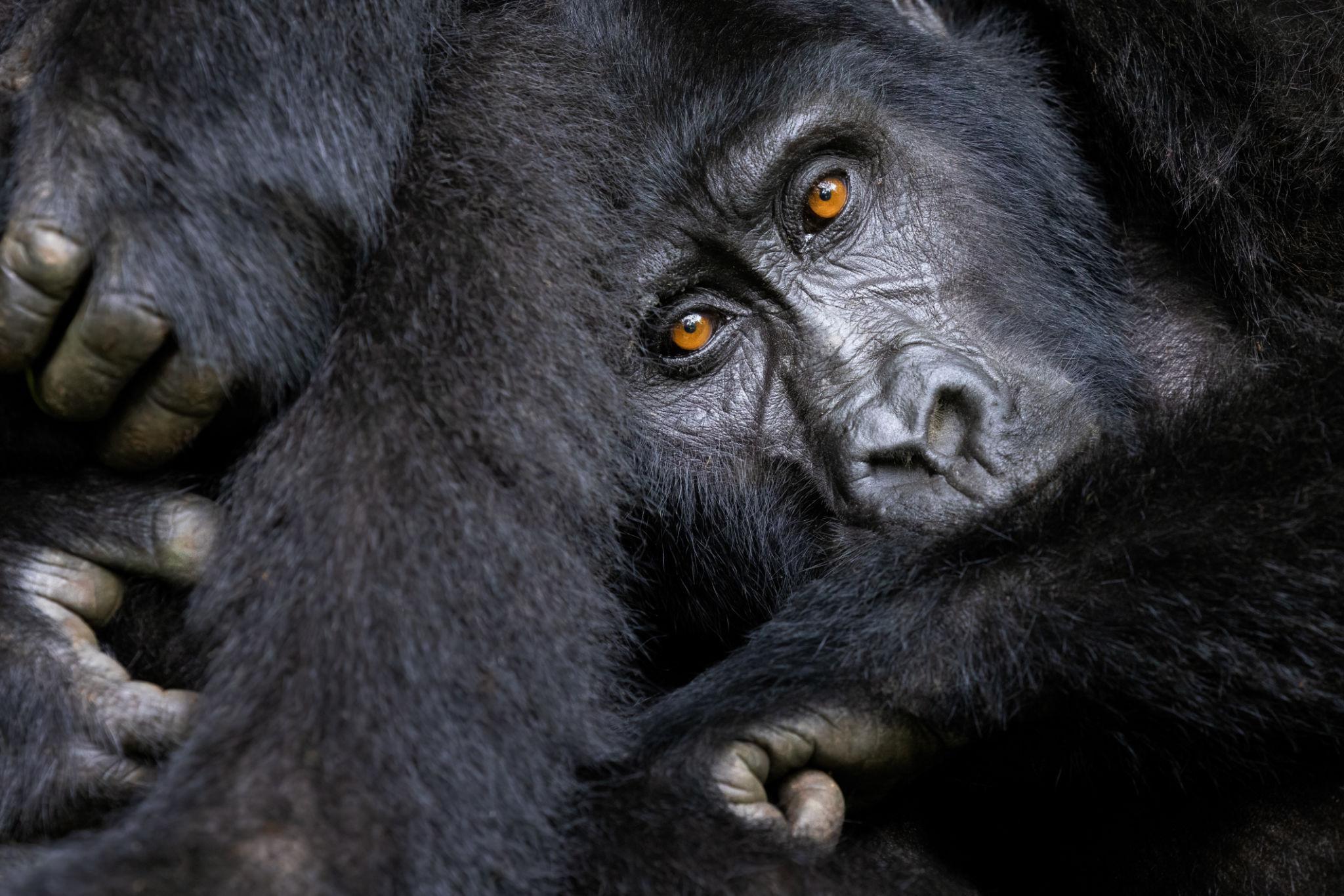
You get one hour with them. One hour to watch a silverback eat bamboo. One hour to see a mother groom her baby. One hour to feel like you’ve stepped into something sacred. Use it well. Put your camera down sometimes. Just watch. Remember the sounds. The smells. The way the light filters through the leaves.After the hour, you hike back. You’ll be exhausted. You’ll be covered in mud. You’ll also be smiling.
Drive back to Musanze. Eat lunch. Then drive to Kigali. The drive is about 2.5 hours. You’ll arrive at the airport in the late afternoon or early evening, depending on your flight. If you’re flying out tonight, you’ll make it. If you’re staying one more night, book a hotel near the airport and fly out tomorrow.
What This Itinerary Costs
Let me be honest. This isn’t a budget trip.
Rwanda is not a budget destination. The gorilla permit alone is $1,500. The chimp permit is about $100 per person (plus park entry fees). Akagera entry is about $100 per day. Accommodation, transport, guides — it adds up.
Here’s a rough estimate for one person:
-
Gorilla permit: $1,500
-
Chimp permit: $100
-
Akagera entry (2 days): $200
-
Boat safari: $50
-
Canopy walk: $60
-
Accommodation (6 nights, mid-range): $600
-
Transport (private car and driver): $700
-
Meals and tips: $250
Total: approximately $3,500–$4,000
For a couple, you can share transport and accommodation costs, bringing the per-person total down.
If you’re on a tighter budget, you can reduce costs by:
-
Choosing budget accommodation
-
Using shared transport or public buses
-
Skipping the chimp trek (saves permit and extra day)
-
Spending only one day in Akagera instead of two
But honestly? If you’re coming to Rwanda for gorillas, don’t cut corners on the rest. You’re already spending $1,500 on the permit. Spend a little more to see the whole country.
When to Go
Dry season — June to September and December to February — is the best time for this itinerary.
Why? Because everything is easier.
-
The gorilla trekking trails are less muddy.
-
The chimp trekking is more reliable (chimps move less in dry conditions).
-
The roads in Akagera are passable.
-
The animals gather around water sources, making them easier to spot.
Wet season — March to May and October to November — is quieter, greener, and cheaper. The landscapes are lush. The birding is excellent. But the trails are muddy, the chimps are harder to find, and some roads become difficult.
If you can only travel in wet season, you’ll still have a great trip. Just bring good boots and a sense of humor.
What to Pack
-
Hiking boots — broken in, waterproof, with good tread.
-
Long pants and long sleeves — for the forest. Stinging nettles are real.
-
Rain jacket — it rains in the rainforest. Shocking, I know.
-
Layers — mornings are cold, afternoons are hot.
-
Binoculars — essential for Akagera. Helpful for chimps.
-
Camera — with a fast shutter and extra batteries.
-
Headlamp — for early mornings and lodges with spotty electricity.
-
Insect repellent — Akagera has mosquitoes. Nyungwe has everything else.
-
Sunscreen and hat — the savannah sun is brutal.
-
Gloves — for grabbing vegetation during treks. Garden gloves work fine.
-
Daypack — for carrying water, snacks, camera, rain jacket.
Rwanda is small. You can drive across the whole country in a day. But the variety is incredible.
One week. Three completely different ecosystems. Primates in the ancient rainforest. Lions and rhinos in the savannah. Gorillas in the misty volcanoes. Most people come for the gorillas and leave.
That’s a mistake. Rwanda has a story to tell — about recovery, about conservation, about a country that almost destroyed itself and decided to build something better. You can’t understand that story from Kigali and the volcanoes alone.
You need to see the chimps swinging through Nyungwe. You need to watch the sun set over Lake Kivu. You need to follow a lion through the grasslands of Akagera. Seven days is enough. Not to see everything — no trip is long enough for that. But enough to fall in love with a country that most people only visit for an hour with a silverback. Don’t be most people.Stay longer. Go deeper. See more. The gorillas will still be there when you’re ready.