
Short on Time? How to See the Great Migration in 4 Days
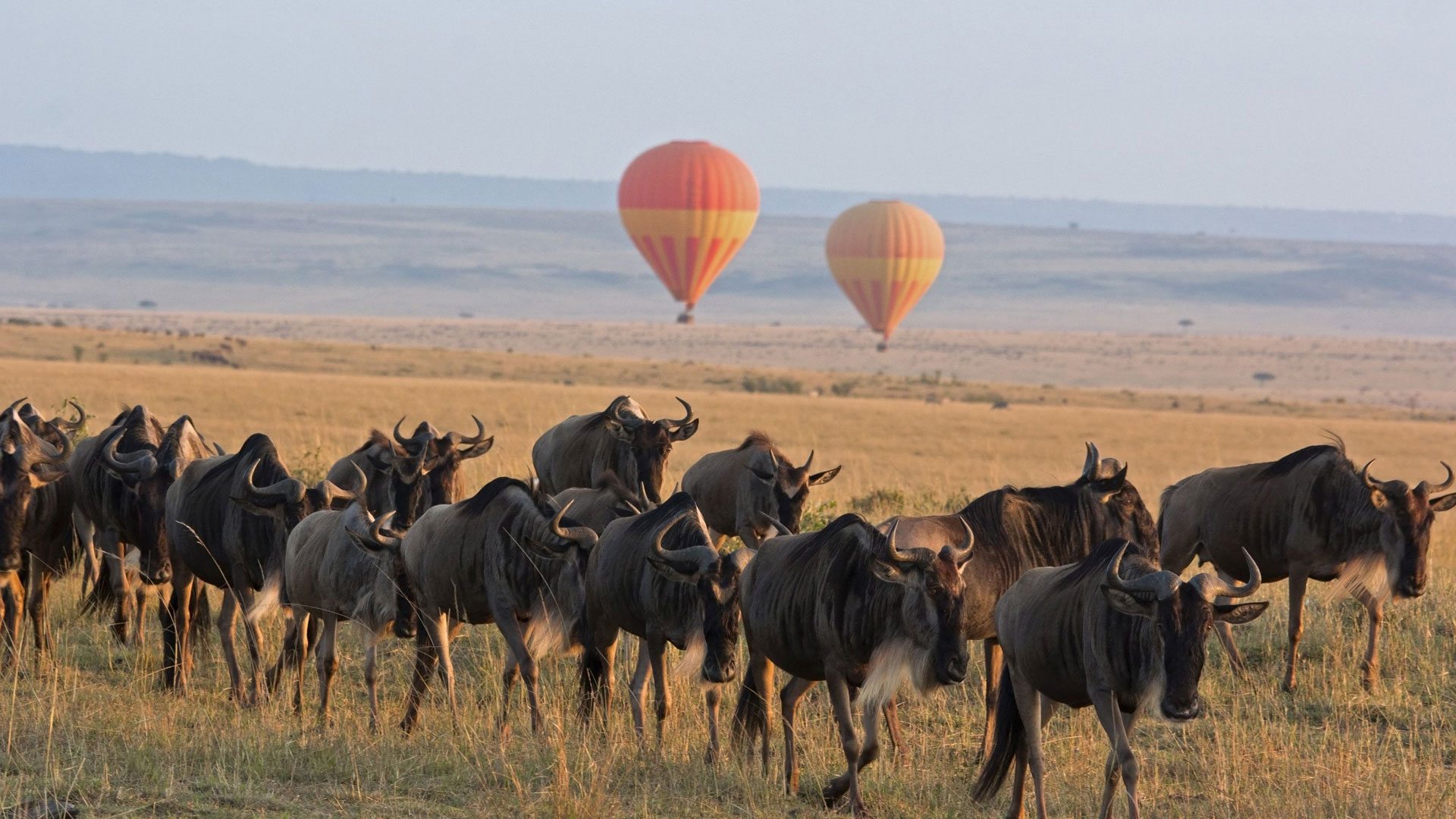
Seeing the Great Migration in just four days is absolutely possible—but it requires precision planning, correct timing, and smart routing. This is not a relaxed, slow safari. It’s a focused, high-efficiency experience designed to maximize wildlife encounters within a limited timeframe.
The key is simple: go exactly where the migration is, minimize travel time, and stay inside or very close to the action.
Step One: Choose the Right Location (Season Matters More Than Anything)
The Great Migration moves between Serengeti National Park and Maasai Mara National Reserve throughout the year. If you only have four days, you cannot afford to guess—you must go to the correct region based on timing.
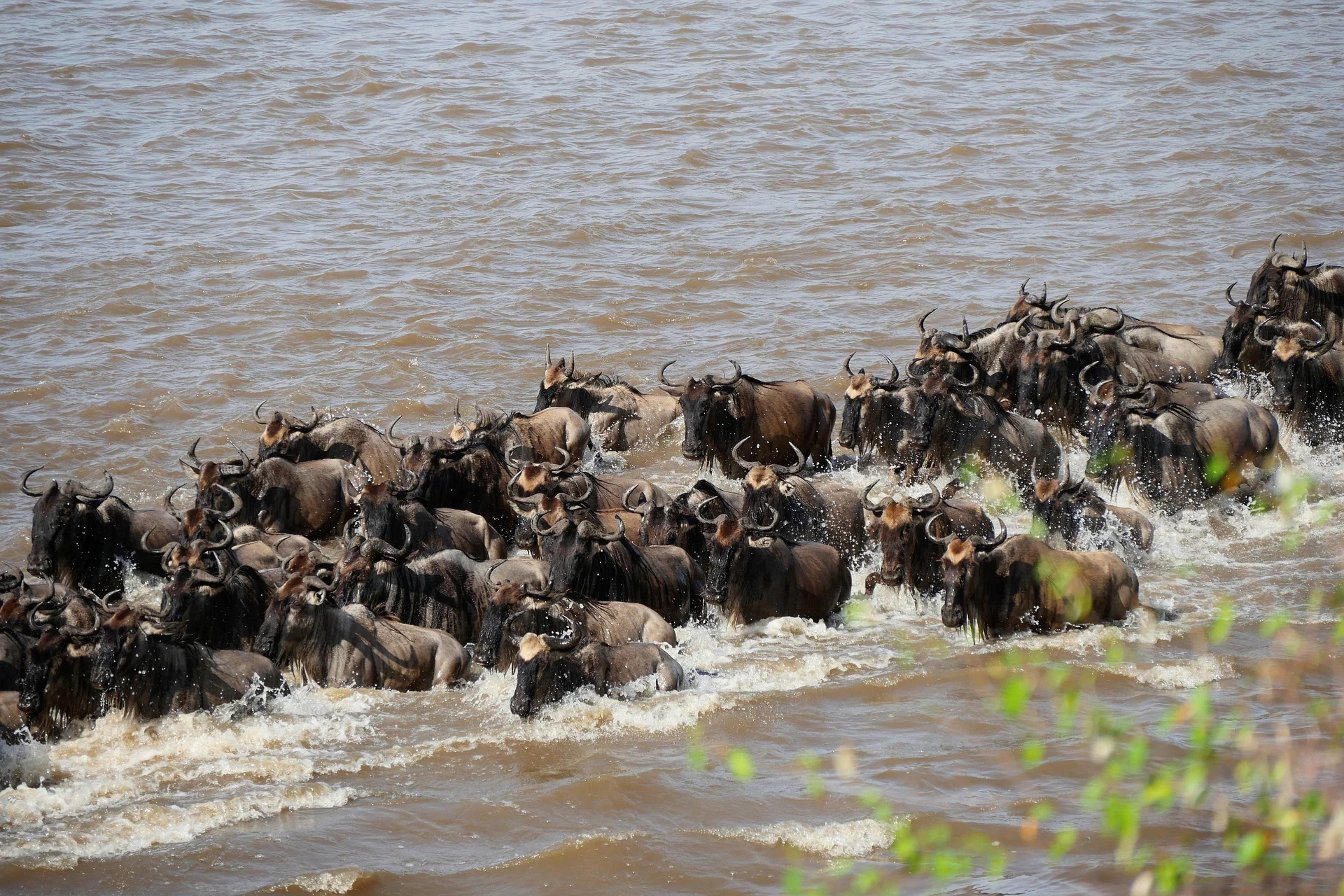
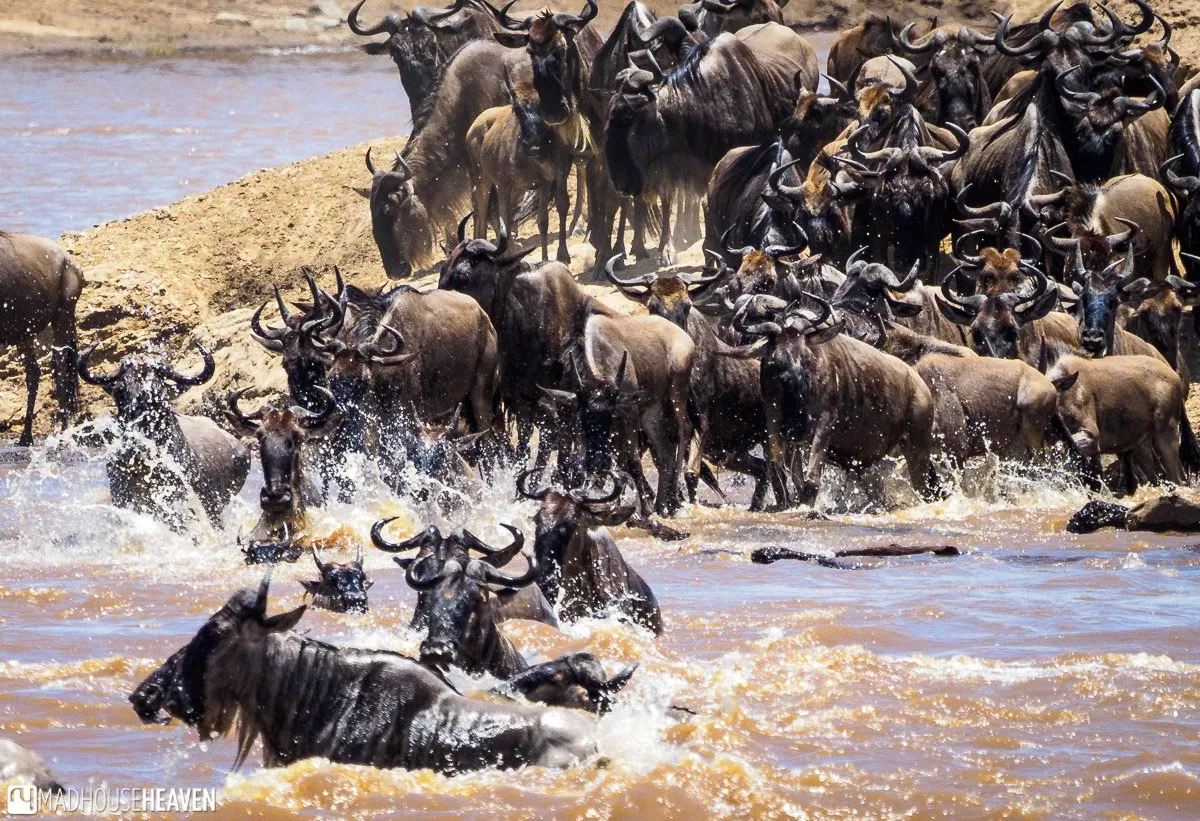
From July to October, the best option is the northern Serengeti or Maasai Mara, where river crossings happen. This is the most dramatic phase of the migration.
From January to March, head to the southern Serengeti for calving season, where thousands of wildebeest give birth and predators are highly active.
From April to June, the migration is moving through central and western Serengeti, which is less dramatic but still dense with herds.
If your timing is wrong, a 4-day safari can completely miss the migration. If your timing is right, even 2 days can be enough.
Step Two: Fly, Don’t Drive
With only four days, long overland drives will waste critical time. The most efficient approach is to fly directly into the migration zone.
For Tanzania, this means flying into airstrips inside Serengeti National Park such as Kogatende (north), Seronera (central), or Ndutu (south).
For Kenya, fly directly into the Maasai Mara airstrips near Maasai Mara National Reserve.
This allows you to start game drives within hours of arrival instead of losing a full day on the road.
Step Three: Stay Close to the Herds
Your lodge or camp must be located inside or very near the migration zone. In a short safari, distance kills opportunity.
Mobile tented camps that move with the migration are ideal, but even fixed lodges in the right region can work if properly selected.
The goal is to wake up already in the ecosystem where the herds are present—not drive hours to find them.
Step Four: Structure a High-Efficiency 4-Day Itinerary
A realistic and effective 4-day migration safari looks like this:
Day 1: Arrival and First Game Drive
Fly into the relevant Serengeti or Maasai Mara airstrip. Transfer to your lodge and head out for an afternoon game drive. Even on day one, you can already encounter herds, predators, and possibly river crossing buildup.
Day 2: Full-Day Migration Tracking
Spend the entire day following the migration. This includes early morning and afternoon drives, focusing on herd movement, predator activity, and potential crossing points.
How to See the Great Migration in 4 Days
Day 3: Peak Wildlife Experience
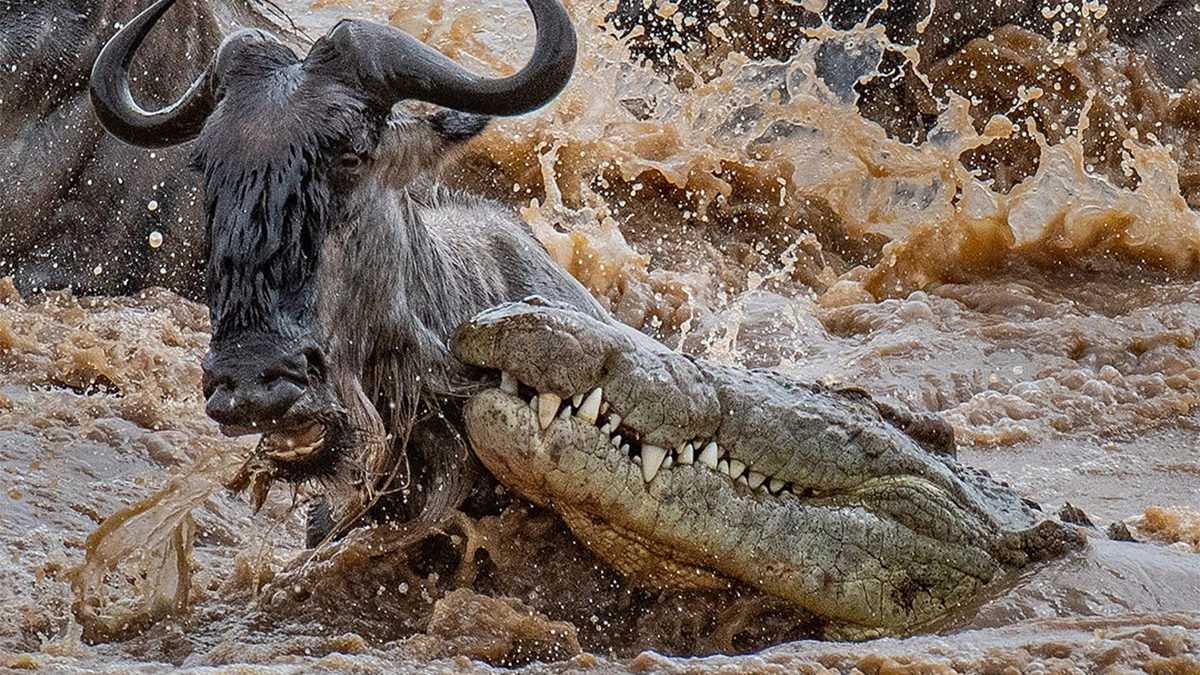
Another full day in the field, maximizing opportunities. This is often when travelers witness the most dramatic moments—lion hunts, crocodile ambushes, or massive herd movement.
Day 4: Final Game Drive and Departure
Take an early morning game drive, then transfer to the airstrip for your outbound flight.
This structure gives you roughly 2.5 to 3 full days of game viewing, which is enough—if timed correctly—to experience the migration in depth.
Step Five: Understand What You Will (and Won’t) See
In four days, you can realistically expect:
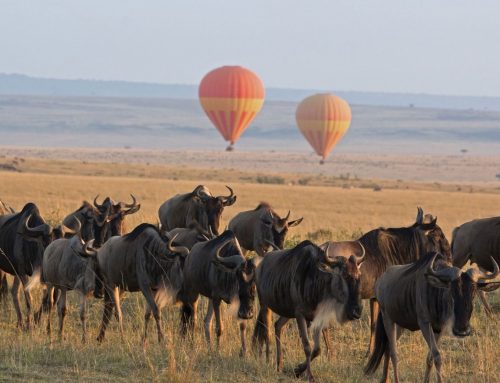
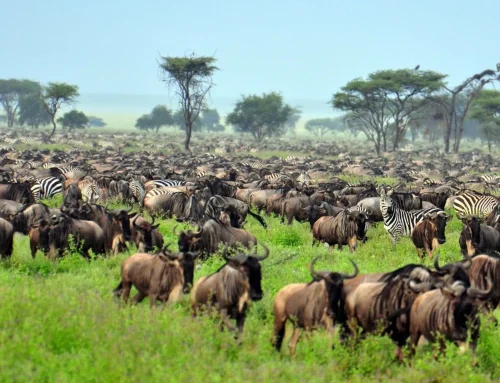
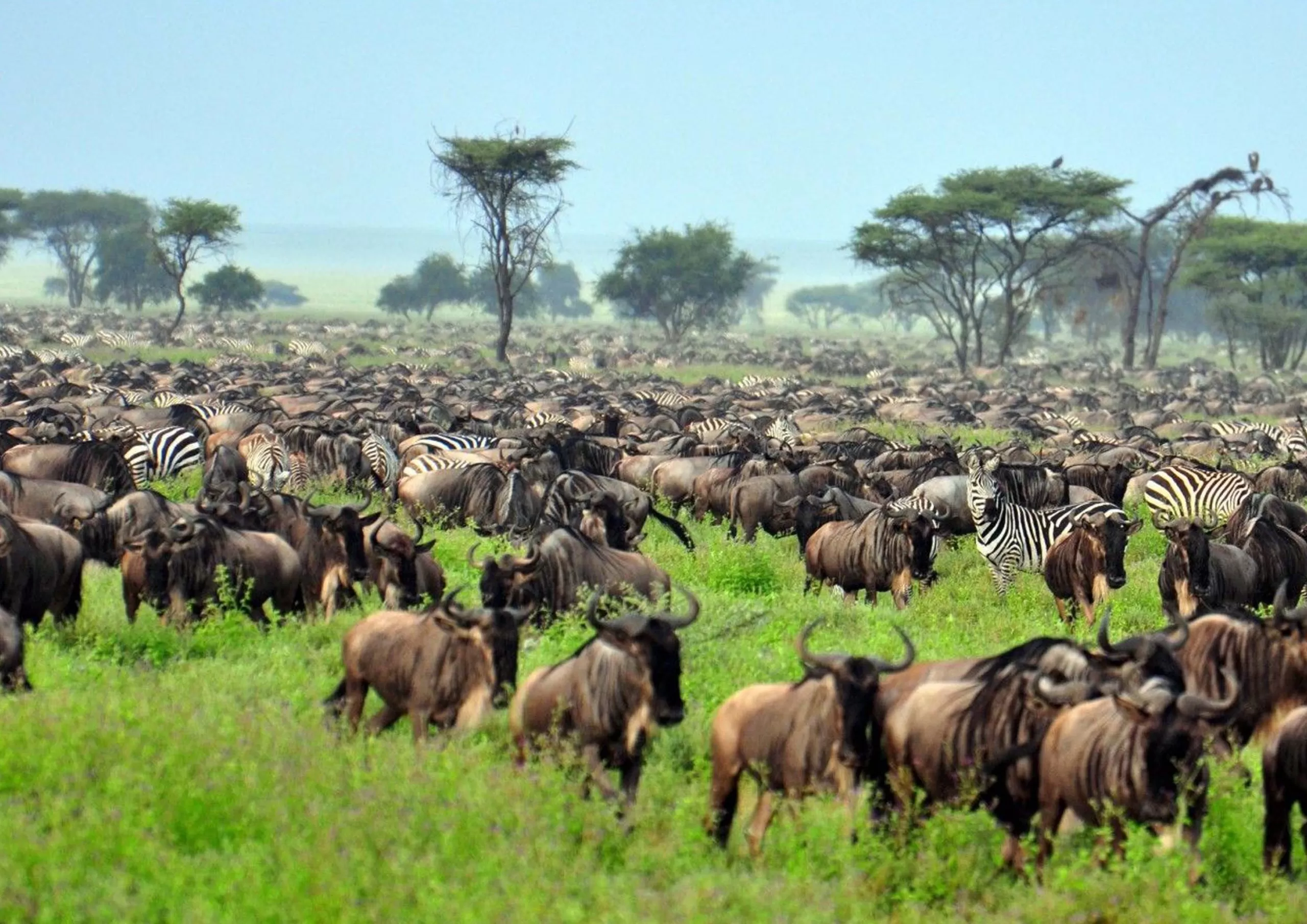
Large herds of wildebeest and zebras
Predator activity (lions, hyenas, cheetahs)
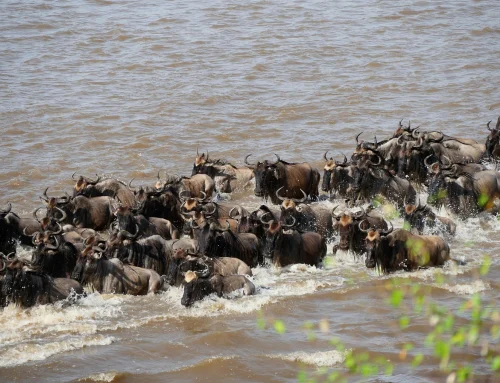
Possible river crossings (if in the right season)
Dramatic savannah landscapes and constant wildlife movement
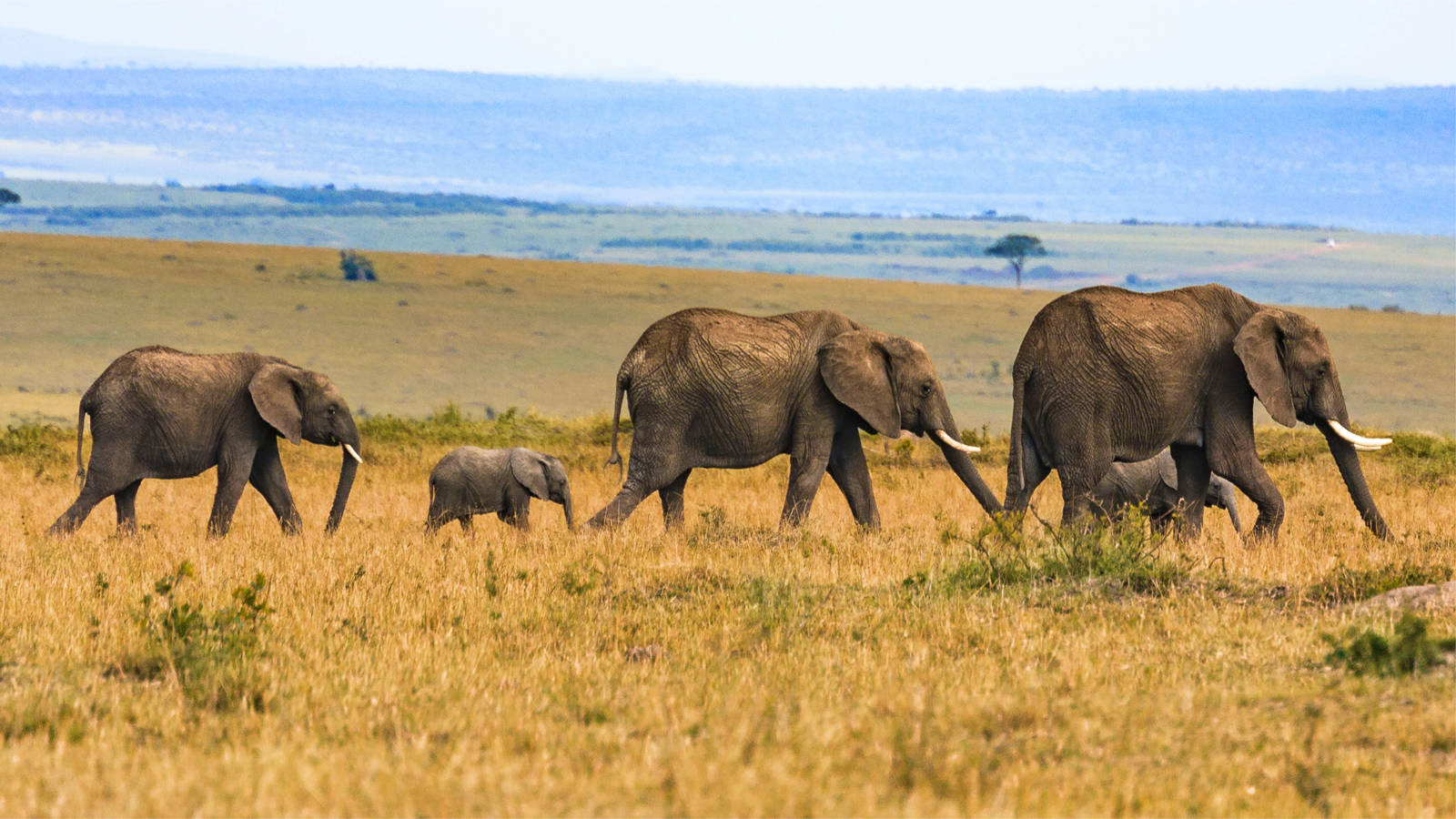
However, this is not a full Big Five safari. Rhinos are unlikely unless you extend your itinerary. Leopards are possible but not guaranteed.
This is a migration-focused safari, not a comprehensive wildlife checklist.
Tanzania vs Kenya for a Short Migration Safari
If you are choosing between countries:
Tanzania offers a broader ecosystem and more flexibility across seasons, especially within Serengeti National Park.
Kenya offers easier logistics and slightly shorter travel times into Maasai Mara National Reserve, especially from Nairobi.
For a 4-day safari, Kenya is often simpler logistically, but Tanzania can be equally effective if flights are well planned.
Common Mistakes to Avoid
Trying to combine too many parks in four days is the biggest mistake. You will spend more time moving than actually seeing wildlife.
Driving instead of flying wastes valuable safari hours.
Booking accommodation far from the migration zone reduces your chances dramatically.
Traveling without checking migration location for your specific month leads to disappointment.
Final Thoughts: Is 4 Days Enough?
Four days is not a long safari—but it is enough for the Great Migration if executed correctly.
This is a case where precision beats duration. Being in the right place at the right time matters more than how many days you spend.
A well-planned 4-day safari in Serengeti National Park or Maasai Mara National Reserve can deliver one of the most powerful wildlife experiences in Africa—herds stretching to the horizon, predators in pursuit, and the raw rhythm of survival unfolding in real time.
If your schedule is tight, don’t abandon the idea. Just plan it with intent, and the migration will meet you where it matters most.